Live Chat Now
Chat Now
Atlas Film Studios Ouarzazate
Adventure, Nature & World-Class Comfort
Morocco
Adventure, Nature & World-Class Comfort
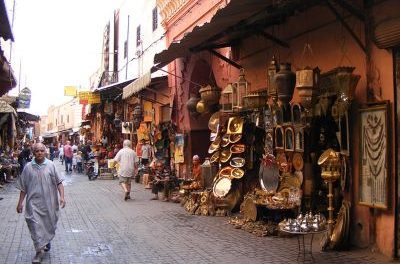
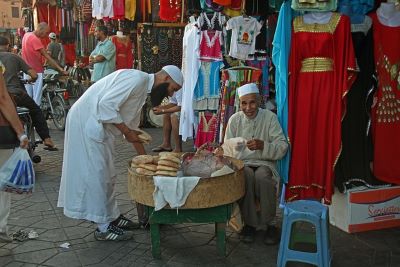
Visit the local markets in Marrakesh
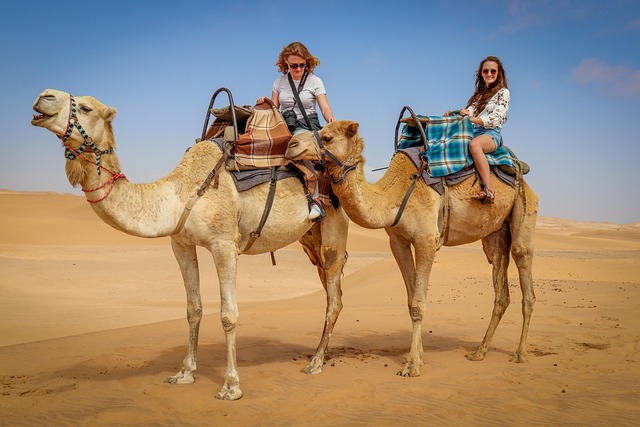
Camel trek in the Sahara Desert
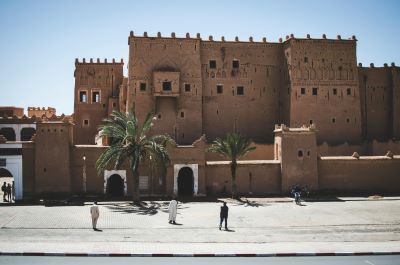
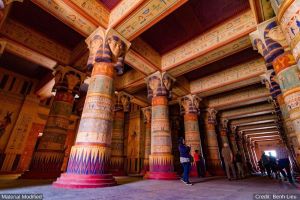
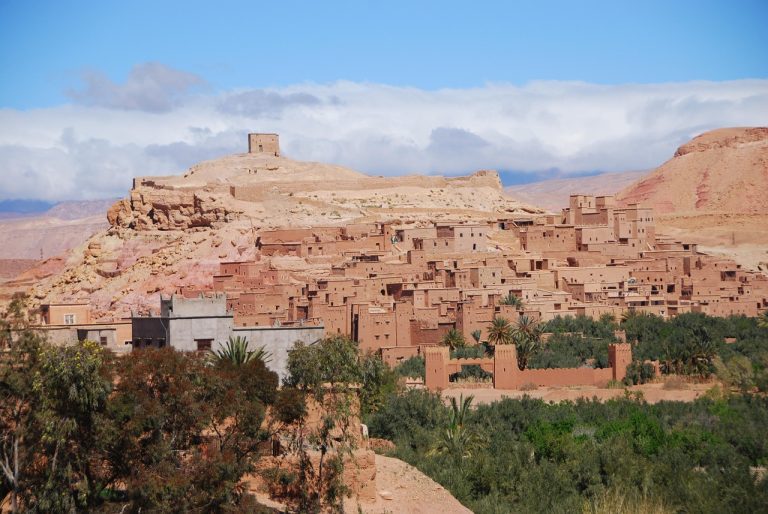
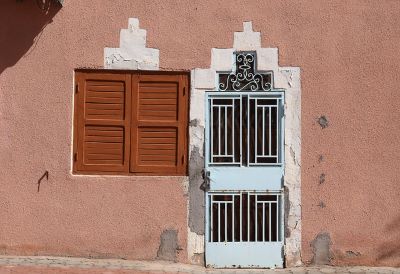
Spectacular architecture in Morocco


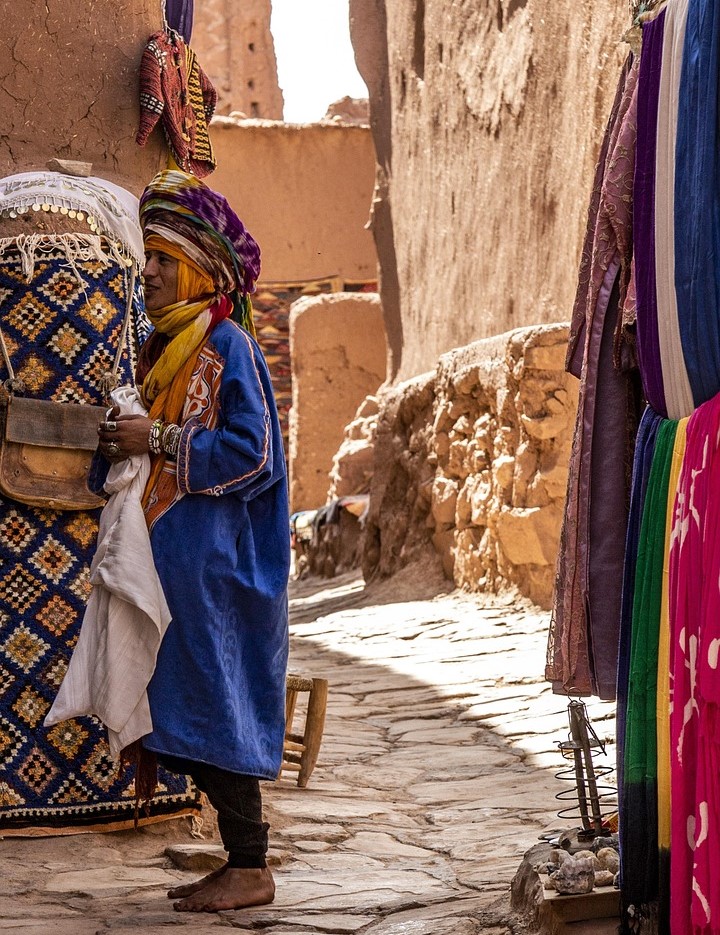
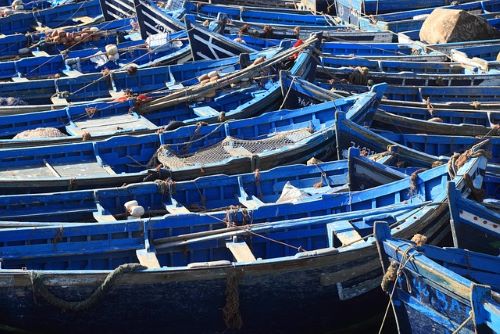
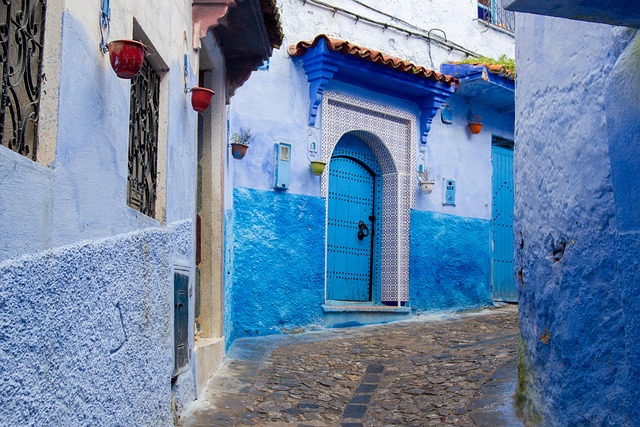
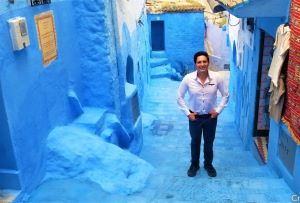
Walking the maze-like Streets in the Blue Village
Atlas Film Studios in Ouarzazate
- What is Atlas Film Studios in Ouarzazate? Atlas Film Studios, also called Atlas Corporation Studios, is one of the world’s largest film studios by land area, located just outside Ouarzazate in Morocco. Built in 1983, it sits in the desert and surrounding mountains and is famous for its huge outdoor sets that are reused for many movies and series, especially historical and biblical epics. Many of the sets are left standing, so visitors can walk through old film locations during guided tours.
- Which movies and series were filmed at Atlas Film Studios? A long list of international productions have shot at Atlas Studios. Famous examples include: “Gladiator” “The Mummy” “Kingdom of Heaven” “Babel” “Prince of Persia” “Asterix & Obelix: Mission Cleopatra” “The Passion of the Christ” “The Jewel of the Nile” Several TV productions also used the studios and nearby landscapes, such as “Game of Thrones,” “Prison Break,” “Vikings,” “Atlantis,” “The Amazing Race,” and “The Grand Tour.”
- How do I visit Atlas Film Studios? Do I need a tour?” Atlas Film Studios is open to the public every day. You don’t need to book in advance for a standard visit: Location: about 3–5 km west of Ouarzazate, on the N9 road toward Marrakech. Access: you can come by car, taxi (around 10 MAD from town as per local guide info), or local bus plus a short walk. Tour: visits are by guided tour inside the studios; tours usually run roughly hourly and last about 50–90 minutes, depending on the route and whether you include the large “Kingdom of Heaven” set. It’s a working studio, so the exact itinerary can change if a shoot is in progress.
- What are the opening hours and ticket prices for Atlas Film Studios? According to the studio’s own visitor page: Opening hours: Every day (Monday to Sunday, including holidays) From about 8:30 a.m. until sunset Ticket prices (may change over time): Standard Atlas Studios visit: 80 Moroccan dirhams per person Combined Atlas Studios + “Kingdom of Heaven” set: 110 dirhams per person Children under 5: free No advance reservation is required for regular visits; groups can contact the studio in advance if needed.
- Is Atlas Film Studios worth visiting? What should I expect?” Yes, it’s widely considered worth a stop if you’re in Ouarzazate, especially if you like movies or photography. Expect: Large outdoor sets: ancient Egyptian temples, biblical Jerusalem, Roman-style courtyards, desert towns, and more. Famous props and backdrops used in films like “Gladiator,” “The Mummy,” “The Jewel of the Nile,” and others. A guided tour with explanations, anecdotes, and behind-the-scenes stories; many guides have actually worked as extras or crew. Desert climate: lots of sun, big open spaces, and great photo opportunities, but also heat and strong light, especially midday. Traveller feedback often highlights how impressive the sets are and how much a good guide improves the experience, while also noting it’s more “authentic and rustic” than polished theme-park style.
- What tips do I need for visiting Atlas Film Studios in Morocco? Useful practical tips: Best time to visit: mornings or late afternoons to avoid the worst heat and get softer light for photos. What to wear: comfortable walking shoes, a hat, sunglasses, and light, breathable clothing. Essentials: bring water and sunscreen; tours involve walking outside in full sun. Money: have some cash for the ticket (and optionally for tips); be aware that some guides or staff may hint at extra unofficial fees, so clarify costs upfront. Photos and videos: the sets are very photogenic; most visitors take lots of pictures and sometimes short “movie scenes” with their guide. These tips show up repeatedly in travel guides and social media posts about Atlas Studios.
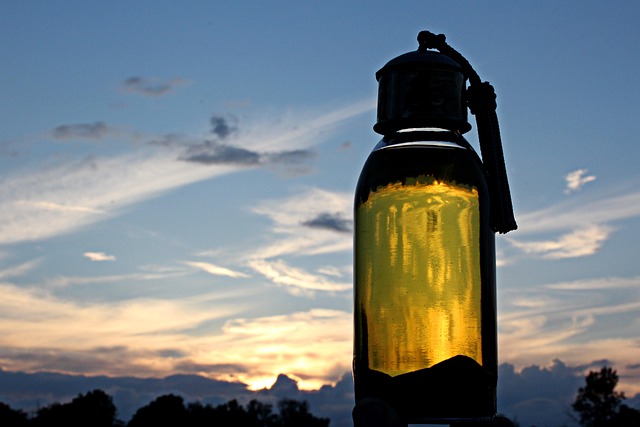
A visit to an argan oil cooperative opens a window onto a uniquely Moroccan craft. In the coastal and foothill regions between Essaouira and Agadir, women’s cooperatives gather, crack, and coldpress the kernels of the argan tree to produce culinary and cosmetic oils prized for flavor and skincare. On a guided stop, you’ll see each step—from drying the fruit to handcracking the nut, stonegrinding the paste, and filtering the golden oil—while learning how cooperatives support local livelihoods and preserve this slow, meticulous process. Tasting is part of the experience: nutty amlou spread with honey, culinary argan oil for dipping, and a comparison with olive oil to appreciate the differences.
For older travelers, reputable cooperatives offer a polished, informative visit with clear provenance and quality standards. Demonstrations are relaxed and interactive, with opportunities to sample, ask questions, and purchase smallbatch oils and derivatives like serums, soaps, and amlou jars. Authenticity matters—look for transparent labeling, harvest dates, coldpress methods, and fairtrade practices. A cooperative stop pairs naturally with coastal drives, argan groves where the trees dot rolling hills, and, in season, the sight of goats climbing branches—best appreciated as a brief, respectful photo moment arranged by a responsible guide.

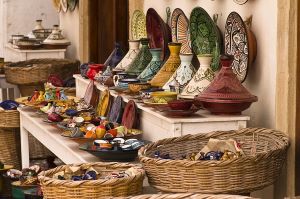
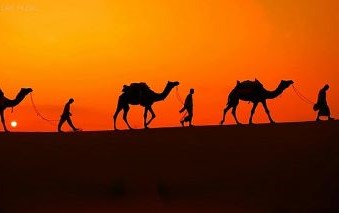
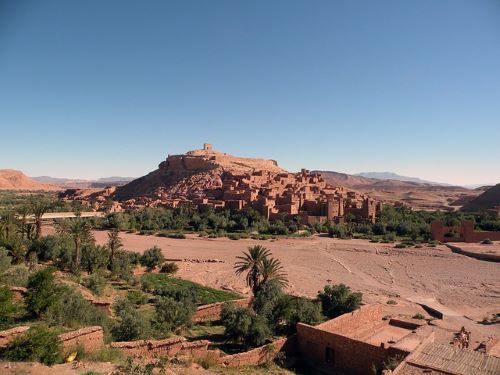
Morocco in pictures
Ready to Explore Morocco?
Experience the best of Morocco with insider knowledge


Suggested Morocco Tour


$544 a month for 6 months, 0% interest (ask for details)
Dates & availability for the next 12 months: any date w/ 7-day notice (some exceptions are made). Guided Luxury Tour to Morocco for over 50s
Featured on
Popular places to visit in Morocco
Marrakesh
Maze-like souks, Jemaa el-Fnaa performers, palaces and gardens, artisan quarters, historic mosques, designer boutiques, rooftop views, and timeless medina energy.
Essaouira
UNESCO seaside medina with ramparts, cannons, fishing port, art galleries, breezy beach walks, European-influenced grid streets, and relaxed coastal cafes.
Ouarzazate
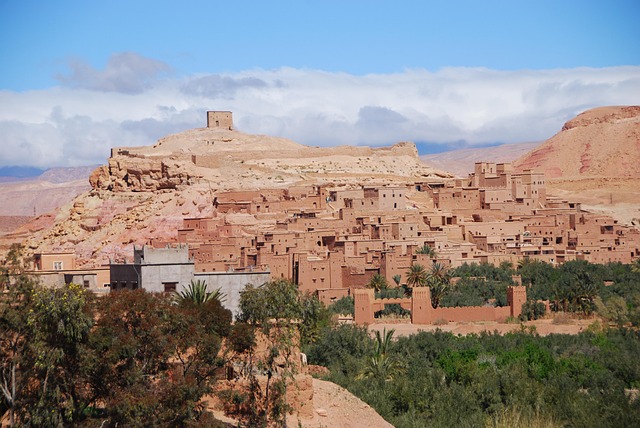
Gateway city with Atlas film studios and cinema museum, desert architecture, palm groves, kasbah heritage, and cinematic landscapes stretching toward the Sahara.
Fez
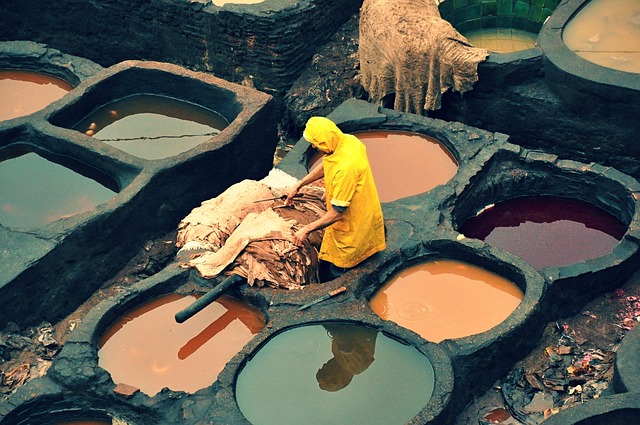
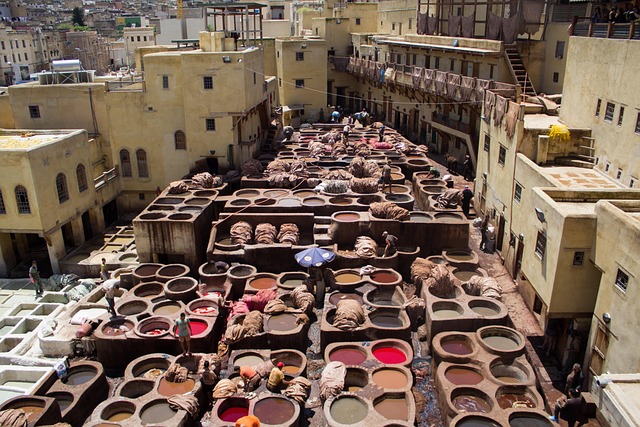
Living medieval medina with tanneries, madrasas, artisans pounding brass, historic gates, panoramic tomb viewpoints, and dinner hosted in a local home.
Chefchaouen
Blue-washed alleys, mountain backdrops, stair-step lanes, photogenic doorways, relaxed plazas, artisan shops, and golden-hour light that glows on indigo walls.
Casablanca
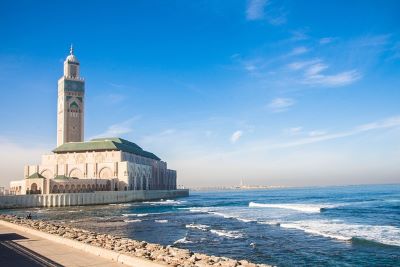
Oceanfront Hassan II Mosque tours reveal soaring minaret, intricate craftsmanship, Atlantic views, and a modern urban counterpoint to Morocco’s ancient medinas.
Rissani
Living medieval medina with tanneries, madrasas, artisans pounding brass, historic gates, panoramic tomb viewpoints, and dinner hosted in a local home.
Tangier
Blue-washed alleys, mountain backdrops, stair-step lanes, photogenic doorways, relaxed plazas, artisan shops, and golden-hour light that glows on indigo walls.
Merzouga
Oceanfront Hassan II Mosque tours reveal soaring minaret, intricate craftsmanship, Atlantic views, and a modern urban counterpoint to Morocco’s ancient medinas.
Recommended Travel Seasons
Seasons in Morocco
Morocco’s prime seasons are spring (March–May) and fall (September–November), bringing warm, sunny days—ideal for city exploring, desert journeys, and coastal breezes. Summer can be very hot inland around Marrakesh and the Sahara, while Atlantic towns like Essaouira stay cooler and windy. Winter is mild in most cities, with chilly nights in the desert and snow possible in the Atlas. Here, you can see more about Morocco’s highlights, routes, and seasonal tips. “best time to visit Morocco“.
Spring (Mar–May)
Mild, colorful, and comfortable—ideal for cities, coast, and light Atlas treks. Sweet spot for pleasant temps and blooming landscapes.
Summer (Jun–Aug)
Hot inland and in the south; cooler with breezes on the Atlantic coast. Beach time is great; plan desert and cities for mornings/evenings.
Autumn (Sep–Nov)
Warm, golden days with the sea still swimmable. Prime for Sahara trips, trekking, and sightseeing without peak heat.
Winter (Dec–Feb)
Mild on the coast, chilly inland, snowy in the High Atlas. Fewer crowds, clear desert skies, and good Atlantic surf.


Exciting activities for every traveler
Useful information for planning your Morocco trip
What language is spoken in Morocco?
Arabic (Darija/Moroccan Arabic) and Amazigh (Berber) are the official languages. French is widely used in business, menus, and signage; English is increasingly common in major cities and tourist areas. Many guides are multilingual.
What’s the currency of Morocco?
The Moroccan dirham (MAD). ATMs are common in cities and larger towns. Credit cards are accepted at many hotels and riads, but carry cash for souks, small shops, and rural areas.
What food and drink should I try in Morocco?
Start with tagine (slow-cooked stew), couscous on Fridays, and pastilla (sweet–savory pie). Try zaalouk (eggplant salad), harira soup, fresh-squeezed orange juice, mint tea, and pastries like chebakia. In coastal towns, don’t miss grilled sardines and seafood.
How much should I tip in Morocco?
Rounding up is appreciated. In cafés, leave a few dirhams; in restaurants, 5–10% is common if service isn’t included. For guides and drivers, tipping is customary based on service and trip length. Small change helps for porters and hammam attendants.
Can I drink alcohol in Morocco?
Alcohol is available in many hotels, bars, and some restaurants, especially in larger cities and resort areas. It’s not typically served in traditional medina eateries, and public drinking is discouraged. Purchase from licensed shops or hotel bars, and be mindful of local norms.
What should I wear to visit mosques and religious sites?
Most mosques in Morocco are not open to non-Muslim visitors (Hassan II Mosque in Casablanca is a notable exception with guided tours). Dress modestly: cover shoulders and knees; bring a light scarf for extra coverage when appropriate.