

Live Chat Now
Chat Now
Leatherback Turtle Tours in Costa Rica
Adventure, Nature & World-Class Comfort
Leatherback Turtle Tours in Costa Rica
Adventure, Nature & World-Class Comfort
Spot leatherback turtles nesting on Tamarindo’s beaches
Bathe in natural hot springs near Arenal Volcano in La Fortuna
Discover Baird’s tapirs in the dense jungles of Corcovado National Park
Swim at La Fortuna Waterfall amid tropical rainforest scenery
Experience leatherback turtles in Costa Rica
- When is the best time to see leatherback turtles in Costa Rica? The prime months are March–May on the Caribbean side (Tortuguero/Gandoca-Manzanillo) and October–March on the Pacific side (notably Las Baulas National Park near Playa Grande). Peak nesting is often around new moon nights when beaches are darker.
- Where should I go in Costa Rica to see leatherback turtles? Top spots include Las Baulas National Park (Playa Grande, Playa Ventanas, Playa Langosta) on the Pacific, and Gandoca-Manzanillo Wildlife Refuge and Tortuguero on the Caribbean. If you’re flying into Liberia (LIR), Playa Grande/Las Baulas is the most convenient leatherback site.
- Do I need a guided tour to see leatherback turtles? Yes, for most nesting beaches it’s required or strongly enforced to join a licensed night tour with a certified guide. This protects the turtles and ensures you follow red-light and distance rules. Tours typically run 2–4 hours at night and may have limited slots—book ahead in peak season.
- What’s the best way to get from the US to a leatherback nesting beach in Costa Rica? Fly into Liberia (LIR) for the Pacific sites like Playa Grande (about 1–1.5 hours by car). Fly into San José (SJO) for Caribbean sites; Tortuguero is reached by short domestic flight or a road-and-boat combo, and Gandoca-Manzanillo is a 5–6 hour drive from SJO. Renting a 4x4 is helpful in rainy months.
- What should I bring and wear for a turtle nesting tour? Dark, lightweight clothing; closed-toe shoes or sturdy sandals; rain jacket; insect repellent; water; and cash for park/tour fees. Do not bring white lights or camera flashes—most tours provide red-filtered lights. Silence, no flash, no touching, and keeping distance are essential.
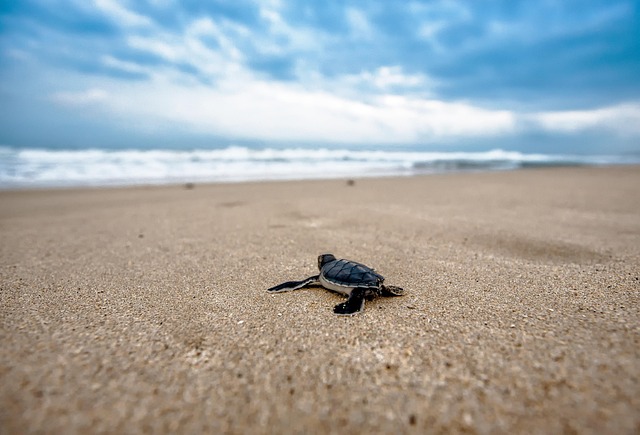
- Can I see baby leatherback turtles hatch, and when does that happen? Hatching generally occurs about 60–70 days after eggs are laid, so if nesting is March–May, hatching can be April–July on the Caribbean; for October–March nesting on the Pacific, hatching can run roughly December–May. Hatching events are less predictable than nesting tours, so ask local guides for current activity.
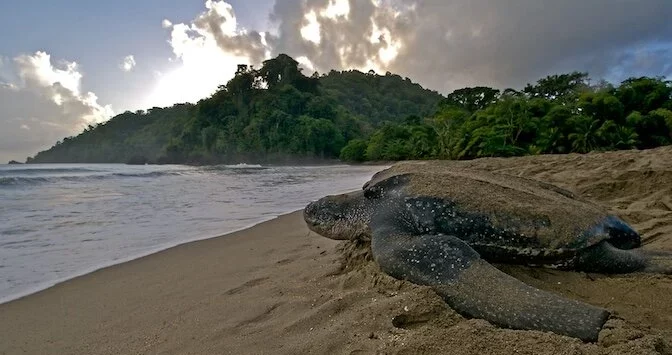
Costa Rica offers one of the world’s most remarkable wildlife experiences: observing leatherback turtles in their natural habitat. Beaches near Tamarindo, particularly Playa Grande within Las Baulas National Marine Park, are prime locations for guided turtle tours. During these tours, visitors can watch leatherbacks come ashore to lay their eggs under the careful supervision of experienced guides. over 50s can enjoy the experience at a relaxed pace, with easy walking paths, shaded resting areas, and small-group tours that ensure comfort and safety.
Observing these ancient creatures provides both a sense of wonder and an opportunity to learn about conservation efforts that protect them for future generations. Leatherback turtles are the largest sea turtles, and Costa Rica’s protected beaches create safe nesting grounds. Guided tours focus on minimal disturbance, allowing visitors to see turtles up close while respecting their environment. Many tours can be combined with gentle beach walks, scenic sunset observation, or other nearby wildlife experiences, making them an ideal choice for active mature travelers.
Costa Rica in pictures
Ready to see leather back turtles in Costa Rica?
Watch leather back turtles in Costa Rica
Suggested Costa Rica tour, including leather back turtles
$622 a month for 6 months, 0% interest (ask for details)
Featured on
Dates & availability for the next 12 months: any date w/ 7-day notice (some exceptions are made). Costa Rica over 50s luxury guided tour.
Popular places to visit in Costa Rica
Join Charlie on a guided hike through the lush primary forest surrounding Cerro Chato, Arenal Volcano’s “older brother.”
Tamarindo: Pacific beach town, surfing, sunsets, lively bars, tourist-friendly hub on Costa Rica’s Gold Coast.
Monteverede Cloud Forest
Spot tropical birds, take in the and experience the calm rhythm of nature from your kayak — a true Costa Rican highlight.
Surrounded by rainforest, this private sanctuary offers the perfect blend of relaxation, and authentic Costa Rican.
Recommended Travel Seasons
Best time to go to Costa Rica
Costa Rica is welcoming year-round; the best time depends on comfort, crowds, and interests.
December to April (Pacific dry season): Sunniest on the Pacific—ideal for beaches, volcano viewpoints, hanging bridges, and wildlife walks. Peak demand and prices; pre-book popular parks, guides, and hotels.
May to June (Early shoulder): Sun with light afternoon showers, greener scenery, fewer crowds, better value. Great for morning hikes, waterfalls, and cloud-forest birding.
September to November (Rainiest on Pacific/highlands): Frequent afternoon/evening showers; schedule outdoor activities early. Lean into hot springs, spas, chocolate/coffee tours, and cooking classes. Budget-friendlier rates.
September to October (Caribbean sweet spot): Often the driest, clearest window on the Caribbean (Tortuguero, Puerto Viejo)—prime for beaches, snorkeling, and turtle nesting.
June to October (Wildlife and seas): Humpback whales along the Central/South Pacific (peak Aug–Oct). Lush rainforests boost bird/frog activity; rivers suit wildlife floats and some whitewater (conditions vary).
Things to do in Costa Rica for active mature travelers
Useful information for planning your Costa Rica adventure
What language is spoken in Costa Rica?
Spanish is the official language, but you’ll find that English is widely spoken, especially in popular travel areas. Charlie’s local guides are bilingual, making communication easy wherever your adventure takes you.
What’s the currency of Costa Rica?
Costa Rica uses the colón (CRC). U.S. dollars are accepted in most tourist spots, and ATMs are widely available for local cash withdrawals.
What food and drink should I try in Costa Rica?
Costa Rica’s cuisine is as colorful as its landscapes! Charlie recommends trying gallo pinto for breakfast, casado for lunch, and fresh-caught seafood for dinner. Don’t miss the locally grown coffee and rich chocolate — two of the country’s best exports.
How much should I tip in Costa Rica?
Tipping is appreciated but not complicated. Most restaurants include a 10% service charge, plus a 13% tax. If service is exceptional, adding a little extra tip is always a kind gesture.
Where can I find the latest travel advice for Costa Rica?
For up-to-date entry requirements, health, and safety details, visit your country’s official travel advisory website. Charlie and his team also provide travelers with the latest local updates before your trip.
What’s the proper etiquette when visiting churches in Costa Rica?
When visiting Costa Rica’s beautiful churches, dress modestly out of respect — cover shoulders and knees. Charlie’s tours always highlight local customs so you can experience the culture respectfully and authentically.