
Live Chat Now
Chat Now
Arenal Hanging Bridges Trail in Costa Rica
Adventure, Nature & World-Class Comfort
Spot leatherback turtles nesting on Tamarindo’s beaches
Bathe in natural hot springs near Arenal Volcano in La Fortuna
Discover Baird’s tapirs in the dense jungles of Corcovado National Park
Swim at La Fortuna Waterfall amid tropical rainforest scenery
Arenal Hanging Bridges
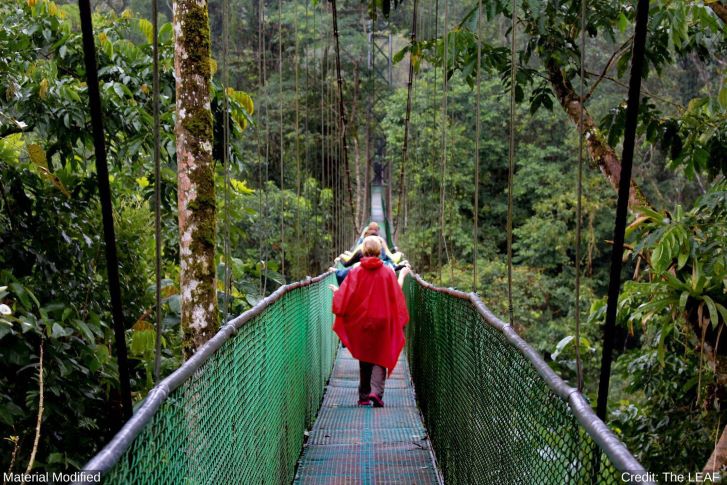
- What are the Arenal Hanging Bridges in Costa Rica? The Arenal Hanging Bridges (Mistico Arenal Hanging Bridges Park) is a private rainforest reserve near La Fortuna/Arenal Volcano featuring a well-maintained loop trail with a series of fixed and suspension bridges that rise into the forest canopy.
- What is the trail like for active seniors? For active seniors, the Arenal Hanging Bridges (Mistico) trail is very manageable: the full loop is about 3.2 km/2 miles and takes 1.5–2.5 hours at a relaxed pace, with well-maintained concrete or paver paths, some short stairs and modest rolling elevation (roughly 100–150 m/330–500 ft). Suspension bridges sway a bit but have sturdy handrails, and there are benches and shaded sections for breaks
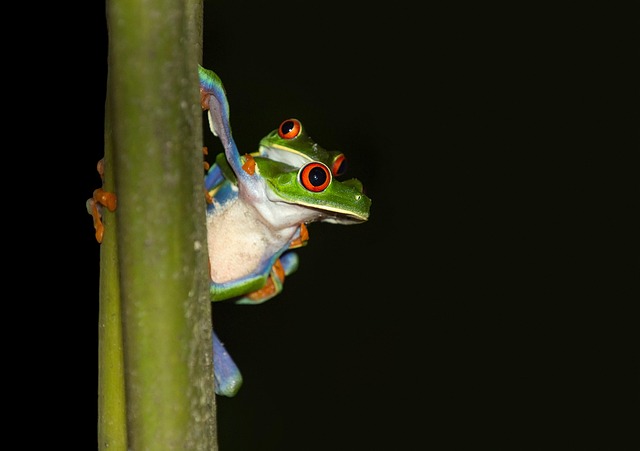
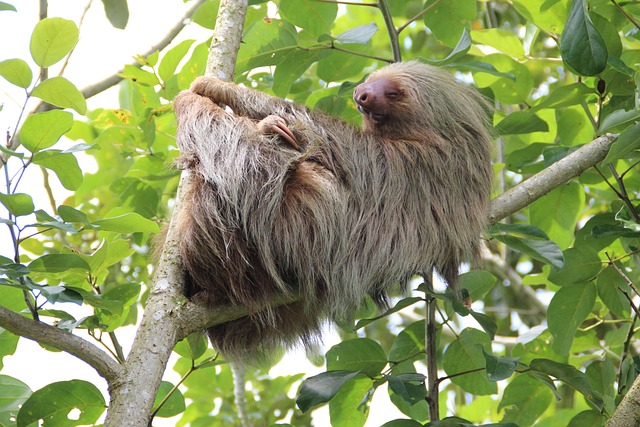
- What wildlife can you see at Arenal Hanging Bridges? At Arenal Hanging Bridges, you can spot howler monkeys, sloths, toucans, hummingbirds, colorful frogs, and various tropical birds. Early morning visits (7-9 am) offer the best wildlife viewing when animals are most active. Hiring a guide significantly improves your chances of spotting wildlife you might otherwise miss.
- Do you need a guide for Arenal Hanging Bridges? You don't need a guide for Arenal Hanging Bridges—the trail is self-guided and well-marked. However, hiring a guide is highly recommended because they spot wildlife easily, provide interesting information about the rainforest ecosystem, and carry spotting scopes for better animal viewing.
- What is the best time of year? For the Arenal Hanging Bridges, you can visit year-round, but the driest, most comfortable months are December–April (best trail conditions and clearer volcano views). For active wildlife and lush rainforest ambiance, May–July is excellent right after rains begin. September–October can be the rainiest in the Arenal area, so expect wetter, muddier conditions and more frequent showers; go early morning for the best odds of clear skies and fewer crowds.
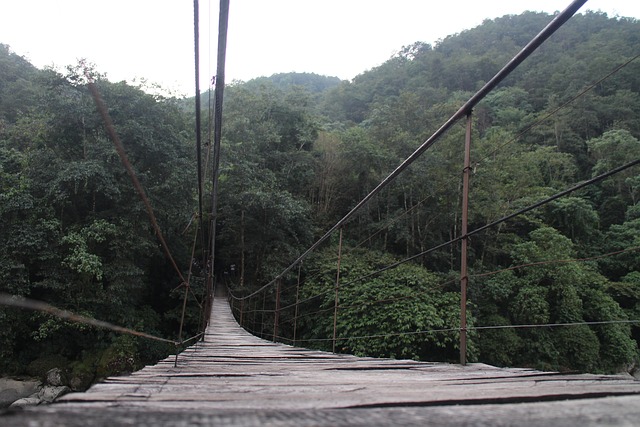
- Are the suspension bridges safe, and do they sway? Yes, they’re engineered with sturdy handrails and routine inspections. They do sway slightly, especially when others are on them—take your time, hold the rail, and let groups pass if you prefer less movement.
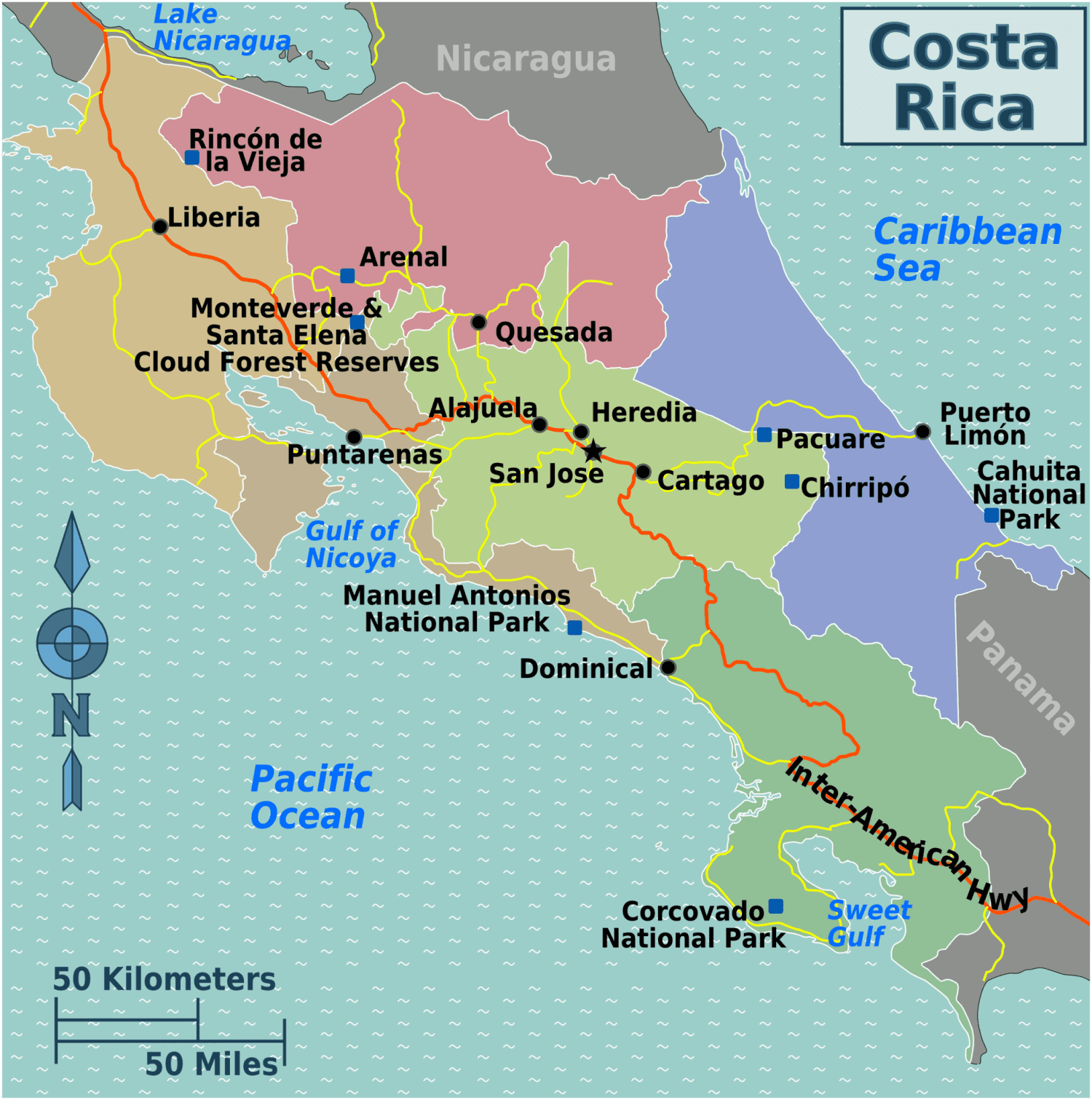
The Arenal Hanging Bridges in Costa Rica offer an accessible and magical way to explore the rainforest canopy without the adrenaline rush of zip-lining. This network of 16 suspension bridges, some stretching up to 50 meters high, winds through lush trails in Arenal Volcano National Park, giving you eye-level views of the volcano and chances to spot monkeys, toucans, and orchids. Self-guided tours let you go at your own pace over 2.6 km of paths, taking about 2-3 hours—perfect for soaking in the biodiversity while feeling the thrill of swaying gently above the forest floor.
Plan your visit early in the morning (around 7-9 AM) to beat the crowds and heat, especially if you are new to tropical hikes; wear sturdy, closed-toe shoes for the uneven terrain and bring insect repellent, sunscreen, and a rain poncho for sudden showers. It is a serene, educational outing that highlights Costa Rica’s natural wonders, leaving you refreshed rather than exhausted.
Costa Rica in pictures
Ready walk the Arenal Hanging Bridges Trail in Costa Rica?
Experience the Arenal Hanging Bridges in Costa Rica
Suggested Costa Rica Tour, including Arenal Hanging Bridges Trail
$622 a month for 6 months, 0% interest (ask for details)
Featured on
Dates & availability for the next 12 months: any date w/ 7-day notice (some exceptions are made). Costa Rica Luxury guided tour for over 50s.
Popular places to visit in Costa Rica
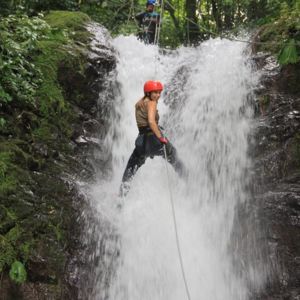
Join Charlie on a guided hike through the lush primary forest surrounding Cerro Chato, Arenal Volcano’s “older brother.”
Tamarindo: Pacific beach town, surfing, sunsets, lively bars, tourist-friendly hub on Costa Rica’s Gold Coast.
Monteverede Cloud Forest
Spot tropical birds, take in the and experience the calm rhythm of nature from your kayak — a true Costa Rican highlight.
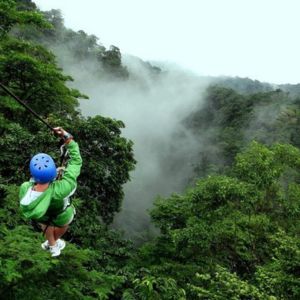
Explore wildlife and scenery, then cool off at La Fortuna Waterfall.
Small coastal town with famous national park, jungle-lined beaches, wildlife viewing, and easy hiking.
San José: Busy inland capital, museums and markets; gateway city, not a main beach destination.
Recommended Travel Seasons
Best time to go to Tamarindo
Tamarindo is welcoming year-round, but the ideal time depends on comfort, crowds, and interests.
December to April (Dry season): Expect warm, sunny days with minimal rain—great for gentle beach walks, swimming in calmer waters, easy wildlife tours, and relaxed sightseeing. Crowds are present but manageable, and roads/trails are at their best condition.
May to June (Early shoulder season): A pleasant balance of sun and light showers, fewer tourists, and better value on accommodations. It’s a comfortable time for quieter beaches and guided excursions, with greenery starting to bloom.
September to November (Rainiest period): Heavier, more frequent showers and some services may reduce hours. This can be the most budget-friendly time, but plan indoor options and flexible schedules.
June to October (For wave-watchers): Surf is at its largest—ideal for watching experienced surfers rather than getting in the water if you prefer calmer seas.
September to March (Wildlife highlights): Leatherback turtles nest on nearby Playa Grande. Guided evening tours are available and can be arranged with accessibility in mind.
Tips for seniors:
- Aim for December–April for the most reliable weather and smoother transportation.
- Book ground-floor or elevator-access rooms and ask hotels about walk-in showers and handrails.
- Plan activities in the morning to avoid midday heat; carry water and sun protection.
- If mobility is a concern, choose guided tours with air-conditioned transport and shorter walking distances.
Things to do in Costa Rica for active senior travelers
Useful information for planning your Costa Rica adventure
What language is spoken in Costa Rica?
Spanish is the official language, but you’ll find that English is widely spoken, especially in popular travel areas. Charlie’s local guides are bilingual, making communication easy wherever your adventure takes you.
What’s the currency of Costa Rica?
Costa Rica uses the colón (CRC). U.S. dollars are accepted in most tourist spots, and ATMs are widely available for local cash withdrawals.
What food and drink should I try in Costa Rica?
Costa Rica’s cuisine is as colorful as its landscapes! Charlie recommends trying gallo pinto for breakfast, casado for lunch, and fresh-caught seafood for dinner. Don’t miss the locally grown coffee and rich chocolate — two of the country’s best exports.
How much should I tip in Costa Rica?
Tipping is appreciated but not complicated. Most restaurants include a 10% service charge, plus a 13% tax. If service is exceptional, adding a little extra tip is always a kind gesture.
Where can I find the latest travel advice for Costa Rica?
For up-to-date entry requirements, health, and safety details, visit your country’s official travel advisory website. Charlie and his team also provide travelers with the latest local updates before your trip.
What’s the proper etiquette when visiting churches in Costa Rica?
When visiting Costa Rica’s beautiful churches, dress modestly out of respect — cover shoulders and knees. Charlie’s tours always highlight local customs so you can experience the culture respectfully and authentically.