

Live Chat Now
Chat Now
Monteverde Cloud Forest
Adventure, Nature & World-Class Comfort
Costa Rica for Seniors
Adventure, Nature & World-Class Comfort
Spot leatherback turtles nesting on Tamarindo‘s beaches
Bathe in natural hot springs near Arenal Volcano in La Fortuna
Discover Baird’s tapirs in the dense jungles of Corcovado National Park
Swim at La Fortuna Waterfall amid tropical rainforest scenery
Monteverde Cloud Forest
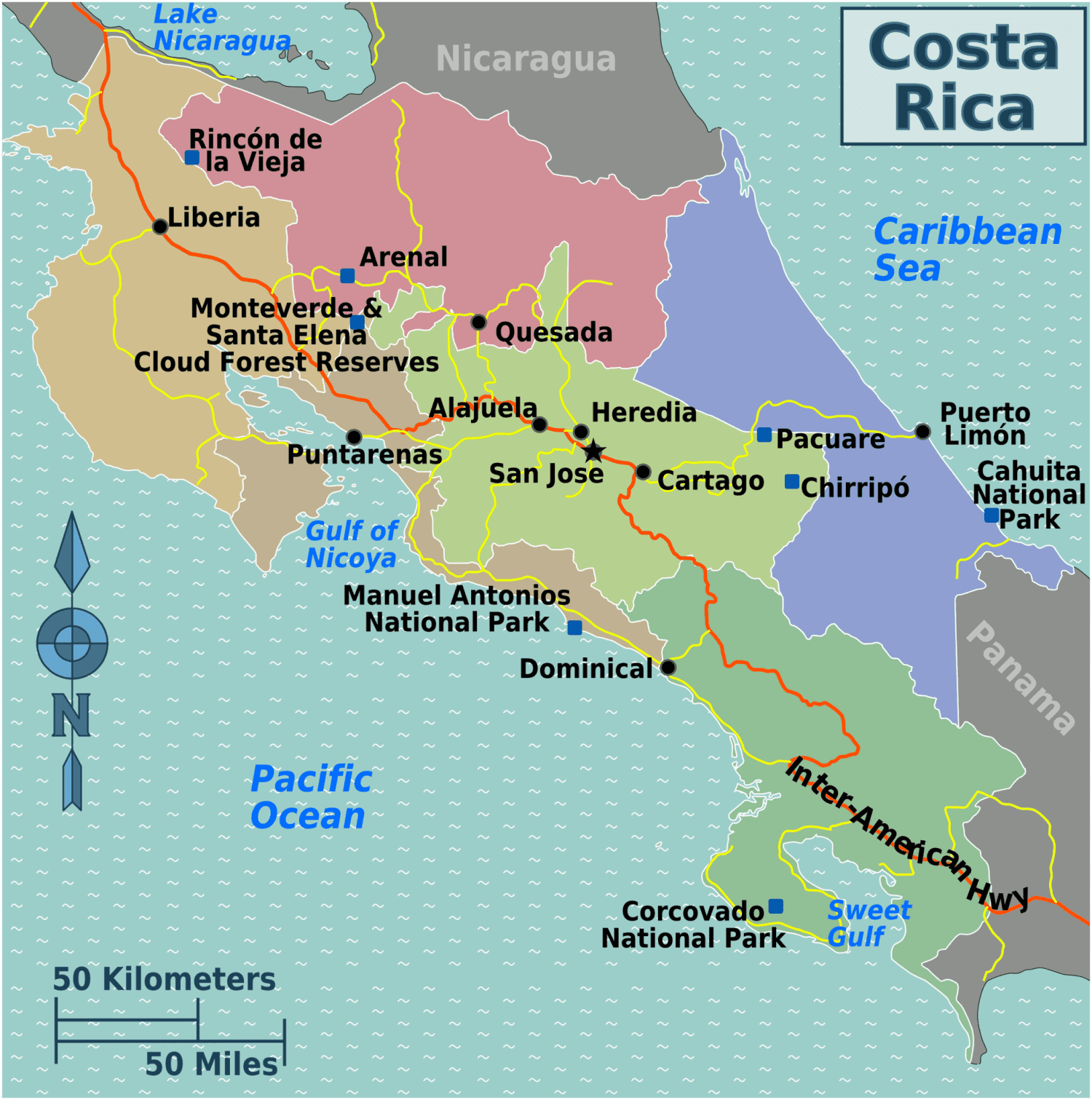
- Where is Monteverde Cloud Forest, and how do I get there? Monteverde is in the Tilarán Mountain Range in northwestern Costa Rica, roughly: 3–3.5 hours from San José 2.5–3 hours from La Fortuna/Arenal (via Lake Arenal route) How to get there: By car: From San José, drive via Route 1 (Interamericana) toward Puntarenas, then turn off at Route 606 up to Santa Elena/Monteverde. Roads are mostly paved now, but the last stretch can be steep and curvy—drive slowly, especially in rain or fog. By shuttle: Shared tourist shuttles run daily from San José, La Fortuna, and other popular towns. By public bus: Cheaper but slower; daily buses from San José’s Terminal 7–10 or sometimes from La Fortuna via connections.
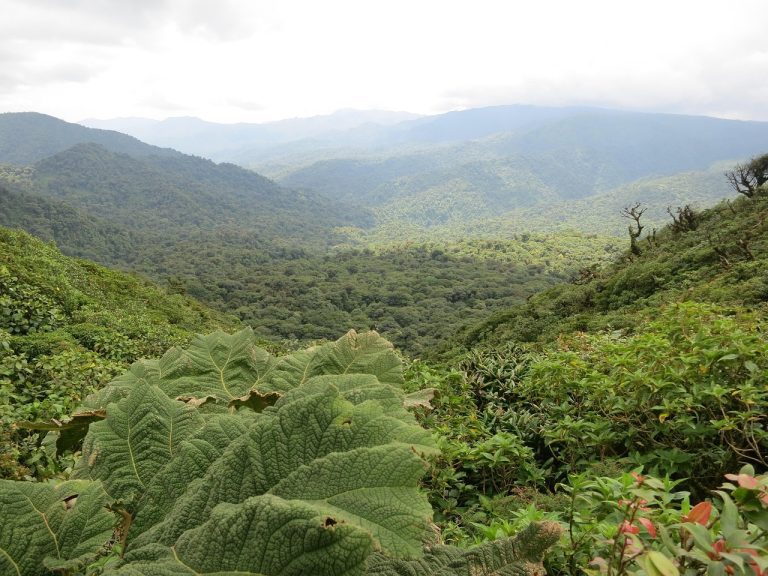
- What is special about the Monteverde Cloud Forest? Monteverde is one of the world’s best-known cloud forests—high-elevation tropical forests that are almost constantly in mist and low clouds. What makes it unique: High biodiversity: Over 2,500 plant species, 400+ bird species, and countless insects and mammals. Epiphytes & mosses: Trees are covered in orchids, bromeliads, ferns, and mosses, giving the forest a “fairy tale” look. Cool, moist climate: Much cooler and wetter than the lowlands. Scientific and conservation history: Monteverde has been a key site for tropical research and climate studies and is a leader in conservation and sustainable tourism.
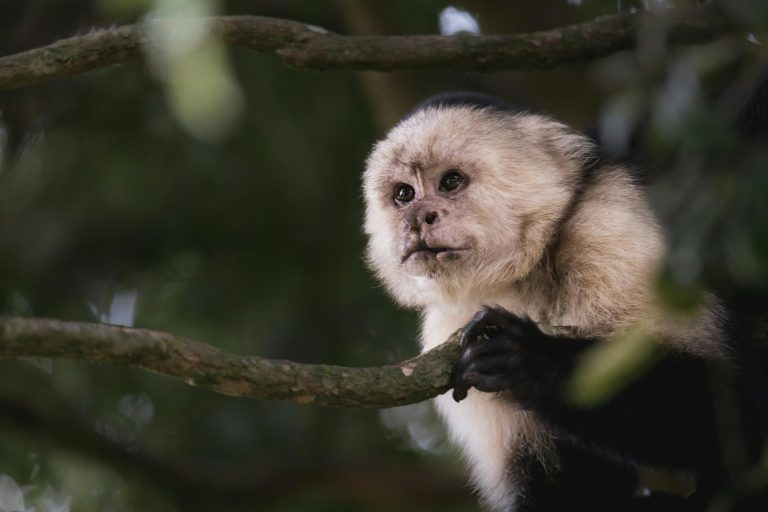
- What animals and birds can I see there? Sightings are never guaranteed, but some iconic wildlife you might see include: Birds Resplendent quetzal (top highlight, especially Feb–Jun during breeding season) Bellbirds, toucanets, emerald toucanet, motmots, hummingbirds Mammals Howler monkeys, capuchin monkeys Coatis, agoutis Occasionally sloths (more common in lower, warmer areas than in the highest, cloudiest parts) Other wildlife Colorful frogs and insects Bats A huge variety of butterflies and moths For best chances: Go early in the morning Consider a guided tour (naturalist guides are fantastic at spotting and explaining wildlife)
- When is the best time to visit Monteverde Cloud Forest? You can visit year-round, but conditions differ: Drier season (roughly Dec–April): More sunshine, easier hiking, clearer views. Peak tourism—more crowds and higher prices. Great time for birdwatching, including quetzals (especially Feb–Jun, overlapping with the tail end of dry season). Rainier/“green” season (roughly May–Nov): More rain, especially in afternoons and evenings. Lusher forest, fewer people, lower prices. Trails can be muddier; bring good rain gear. Tip: Mornings are usually calmer and clearer; plan hikes and canopy tours early, and save indoor activities or short walks for the wetter afternoons.
- Do I need a guide, and how long should I stay? Guide: You can walk the trails without a guide, but: A naturalist guide is highly recommended if you care about wildlife or ecology. Guides have spotting scopes and know animal calls, microhabitats, and plant stories. You’ll typically see and understand far more in a 3-hour guided walk than a full day alone. How long to stay: Minimum: 1 full day (2 nights) Enough for one guided walk in the cloud forest plus a secondary activity (e.g., hanging bridges or zipline). Ideal: 2–3 full days Explore multiple reserves (Monteverde Cloud Forest Reserve, Santa Elena Reserve, maybe Curi-Cancha) Add night walk, coffee/chocolate tour, and canopy activities.
- Is Monteverde Cloud Forest suitable for over 50s? Yes, the Monteverde Cloud Forest Reserve is generally suitable for mature travelers, with some care. Trails are well-marked but can be muddy, uneven, and have some stairs or slopes. Choose the shorter, easier loops near the entrance; staff can recommend the best options for your fitness level. Go in the morning, walk at a slow, steady pace, and take regular breaks. Wear good walking shoes, bring a light rain jacket, water, and consider walking poles if balance or knees are an issue. A guided tour is very helpful—they pick suitable trails and set a comfortable pace. For seniors who already walk regularly and handle mild hills, it’s usually a very rewarding visit.
The Monteverde Cloud Forest Reserve in Costa Rica is one of the world’s most famous cloud forests, known for its constant mist, lush greenery, and extraordinary biodiversity. Located high in the Tilarán Mountain Range, the reserve protects a rare ecosystem where cool temperatures and moisture from passing clouds create an environment packed with mosses, orchids, bromeliads, and towering trees draped in epiphytes. It’s a living laboratory for scientists and a benchmark site for conservation, illustrating how tropical mountain forests respond to climate and environmental change.
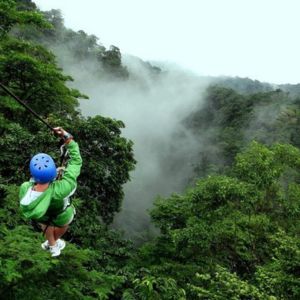
For visitors, Monteverde offers a network of well-maintained trails that wind through dense forest, over streams, and up to viewpoints and hanging bridges. Birdwatchers come hoping to spot the resplendent quetzal, along with hummingbirds, toucanets, and many other species, while guided walks help guests find otherwise hidden wildlife and understand the forest’s ecology. The reserve is cooler and wetter than much of Costa Rica, so visitors typically explore in light layers and rain gear, enjoying an immersive, often misty experience that feels very different from the country’s lowland rainforests and beaches.
Costa Rica in pictures
Ready to Explore Costa Rica?
Experience the best of Pura Vida with insider knowledge
Suggested Costa Rica Tour
$622 a month for 6 months, 0% interest (ask for details)
Dates & availability for the next 12 months: any date w/ 7-day notice (some exceptions are made). Guided Luxury over 50s Tour to Costa Rica
Featured on
Popular places to visit in Costa Rica
Poas Volcano National Park
Walk Cerro Chato’s dense trails with Charlie. Discover Arenal’s ancient sibling. End at Poás Volcano National Park.
Tamarindo
Unwind on one of Charlie’s favorite beaches — white sands of Tamarindo in Costa Rica
Monteverede Cloud Forest
Spot vibrant tropical birds. Glide across tranquil waters by kayak. Then step into the mystical Monteverde Cloud Forest.
La Fortuna
Explore wildlife and scenery, then cool off at La Fortuna Waterfall.
Manuel Antonio
Relax in a private rainforest sanctuary. Enjoy true Costa Rican charm. Then explore vibrant Manuel Antonio.
Recommended Travel Seasons
Seasons in Costa Rica
Costa Rica’s dry season runs roughly mid‑November to April, bringing long, sunny days—perfect for comfortable beach time and nature outings. In January and February, gentle breezes often keep things pleasantly cool. From May to mid‑November, the “green” season transforms the landscape into vivid jungle hues, with bright mornings and refreshing showers most afternoons. Here, you can see more about “When to go to Costa Rice“.
Sea Turtle Nesting Season
May – November
Caribbean Coast
May – November
Pacific Coast for Winter Sun
December – April
Exciting activities for seasoned travelers
Useful information for planning your Costa Rica trip
What language is spoken in Costa Rica?
Spanish is the official language, but you’ll find that English is widely spoken, especially in popular travel areas. Charlie’s local guides are bilingual, making communication easy wherever your adventure takes you.
What’s the currency of Costa Rica?
Costa Rica uses the colón (CRC). U.S. dollars are accepted in most tourist spots, and ATMs are widely available for local cash withdrawals.
What food and drink should I try in Costa Rica?
Costa Rica’s cuisine is as colorful as its landscapes! Charlie recommends trying gallo pinto for breakfast, casado for lunch, and fresh-caught seafood for dinner. Don’t miss the locally grown coffee and rich chocolate — two of the country’s best exports.
How much should I tip in Costa Rica?
Tipping is appreciated but not complicated. Most restaurants include a 10% service charge, plus a 13% tax. If service is exceptional, adding a little extra tip is always a kind gesture.
Where can I find the latest travel advice for Costa Rica?
For up-to-date entry requirements, health, and safety details, visit your country’s official travel advisory website. Charlie and his team also provide travelers with the latest local updates before your trip.
What’s the proper etiquette when visiting churches in Costa Rica?
When visiting Costa Rica’s beautiful churches, dress modestly out of respect — cover shoulders and knees. Charlie’s tours always highlight local customs so you can experience the culture respectfully and authentically.