Live Chat Now
Chat Now
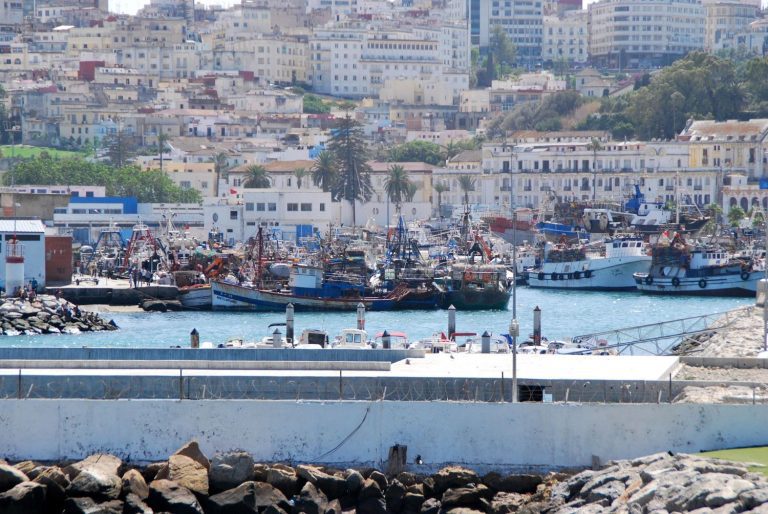
Walking tour in Tangier
Adventure, Nature & Wor​ld-Class Comfort
Morocco
Adventure, Nature & Wor​ld-Class Comfort
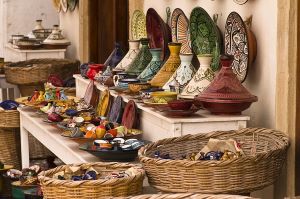
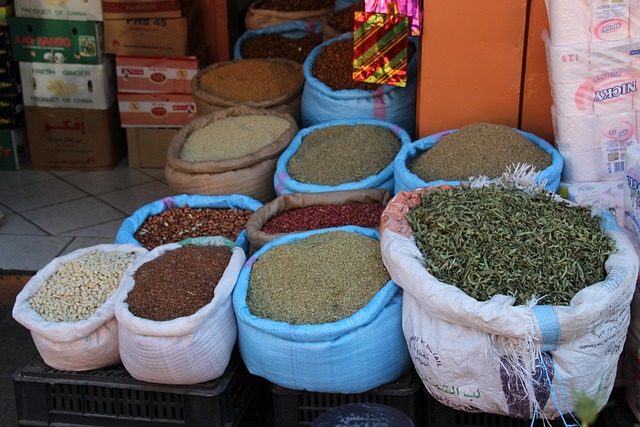
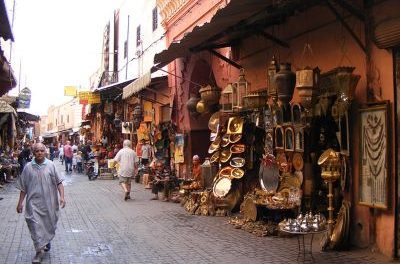
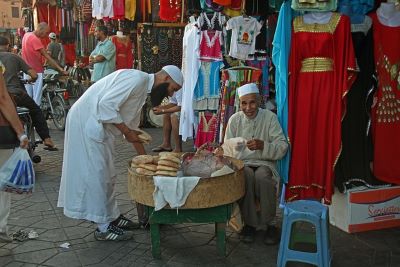
Visit the local markets in Marrakesh
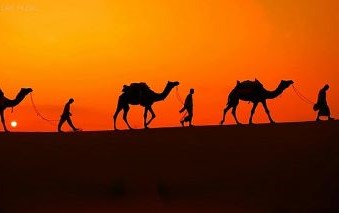
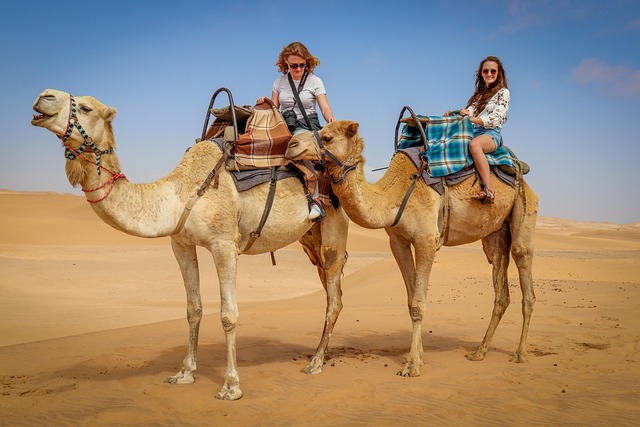
Camel trek in the Sahara Desert
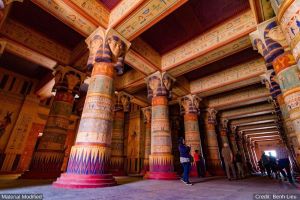
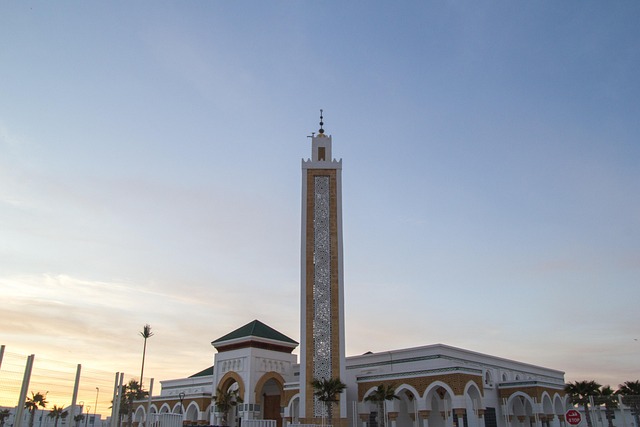
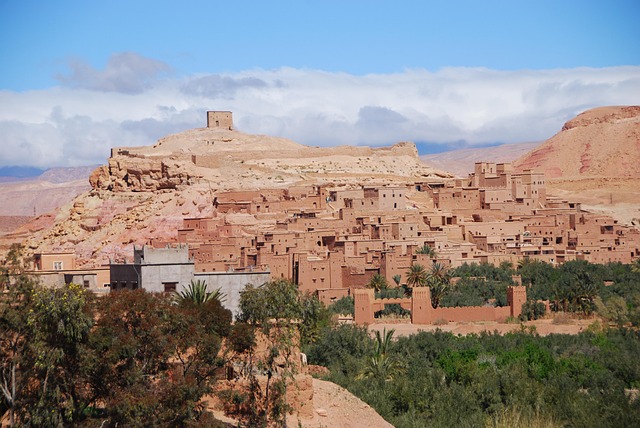
Spectacular architecture in Morocco
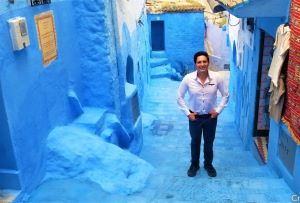
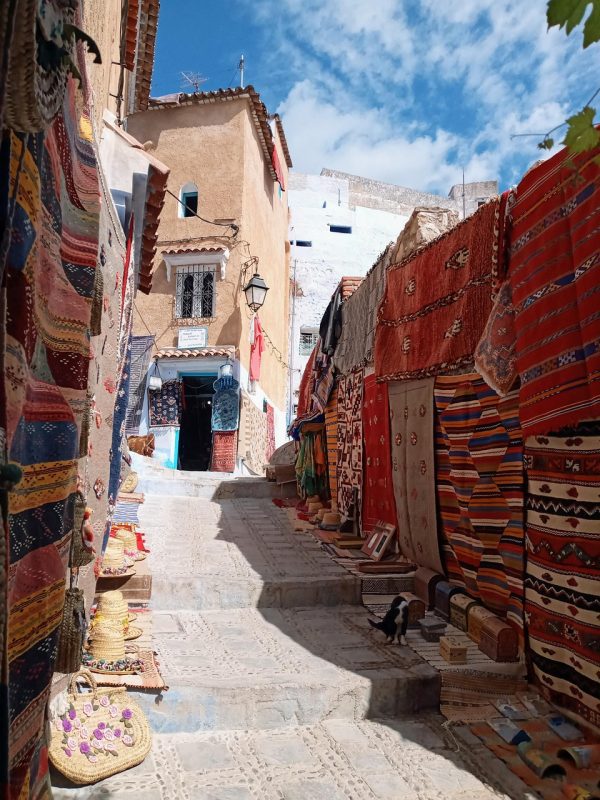
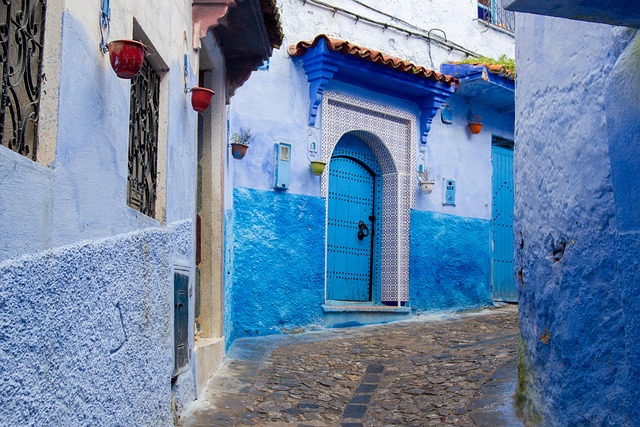
Walking the maze-like Streets in the Blue Village
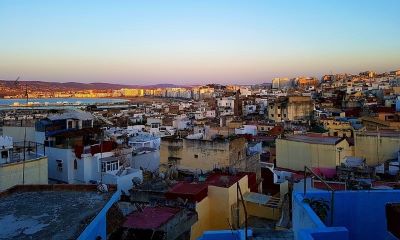
Walking tour in Tangier - Hilltop kasbah views, straitside breezes, and cafés with a storied past
- What’s the best route for a halfday walking tour that shows both medina and seafront? Begin at the Grand Socco, enter the medina via Bab alFahs, pause at Petit Socco, climb to the Kasbah Museum and ramparts, then descend to the marina for a flat seaside walk along the Corniche.
- When should I start for clear views across the strait and comfortable temperatures? Aim for a morning start between 8:30–9:30 a.m. Spring and fall offer the crispest visibility; on clear days you’ll see the Spanish coast.
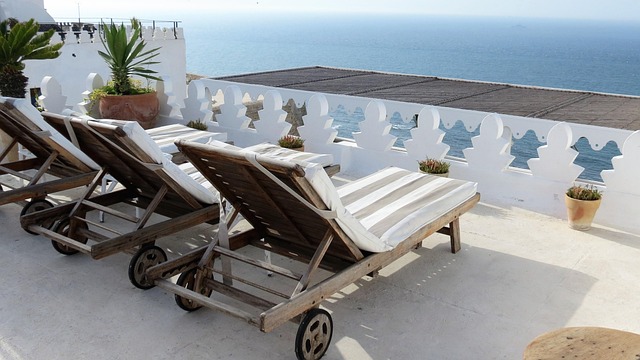
- Which viewpoints are muststops for photos and a sense of place? The Kasbah ramparts, Terrasse des Paresseux on Boulevard Pasteur, and Café Hafa’s terraces above the water. Each gives a distinct angle on the strait and city skyline.
- Where can I pause for an atmospheric café break along the route? Petit Socco for a medina café, Boulevard Pasteur for patisseries with city views, and Café Hafa for mint tea on cliffside terraces—ideal in late afternoon.
- How can I include Tangier’s literary and internationalzone heritage without a long museum visit? Add brief stops at historic plaques and bookshops near the medina gates, glance at Art Deco landmarks downtown, and weave in café lore—short, conversational moments that bring the past to life.
- What should I wear and bring for a comfortable city walk in Tangier? Comfortable walking shoes with grip for cobblestones, a light layer for seaside breezes, sun protection, and a small crossbody bag. Cash is handy for cafés and small purchases.
Tangier is best understood on foot: whitewashed lanes stepping up to the kasbah, balconies looking toward Spain, and a waterfront promenade where the Atlantic meets the Mediterranean. A wellpaced walking tour threads from the Grand Socco into the medina’s small squares, up to the Kasbah Museum for history and gardens, and along ramparts that frame sweeping strait views. Downtown, Art Deco facades line broad boulevards, while classic cafés serve as living salons for conversation, mint tea, and pastries. With smart timing and a curated route, you’ll see both the old city’s texture and the modern marina’s open horizons.
Older travelers appreciate Tangier’s gentle variety: easy seaside stretches on the Corniche, short stairways in the kasbah, and strategic pauses at viewpoints like the Terrasse des Paresseux. Start in the morning for cooler temperatures and clear vistas, break for a leisurely lunch with ocean views, and finish with a sunset stroll by the marina or a hilltop tea at Café Hafa. The city’s literary and internationalzone legacy appears in plaques, bookshops, and café lore—a light, engaging narrative layered over coastal scenery.
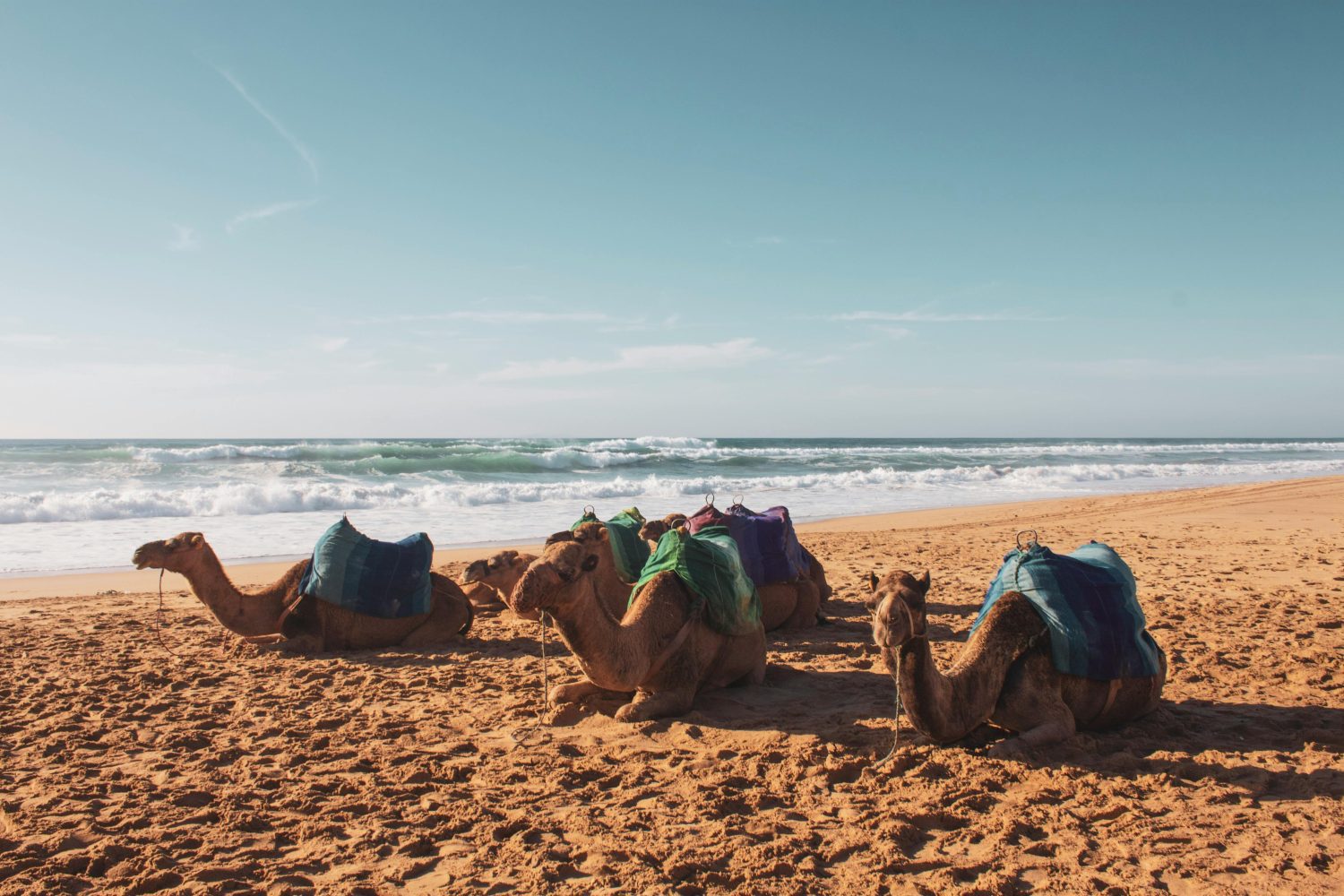
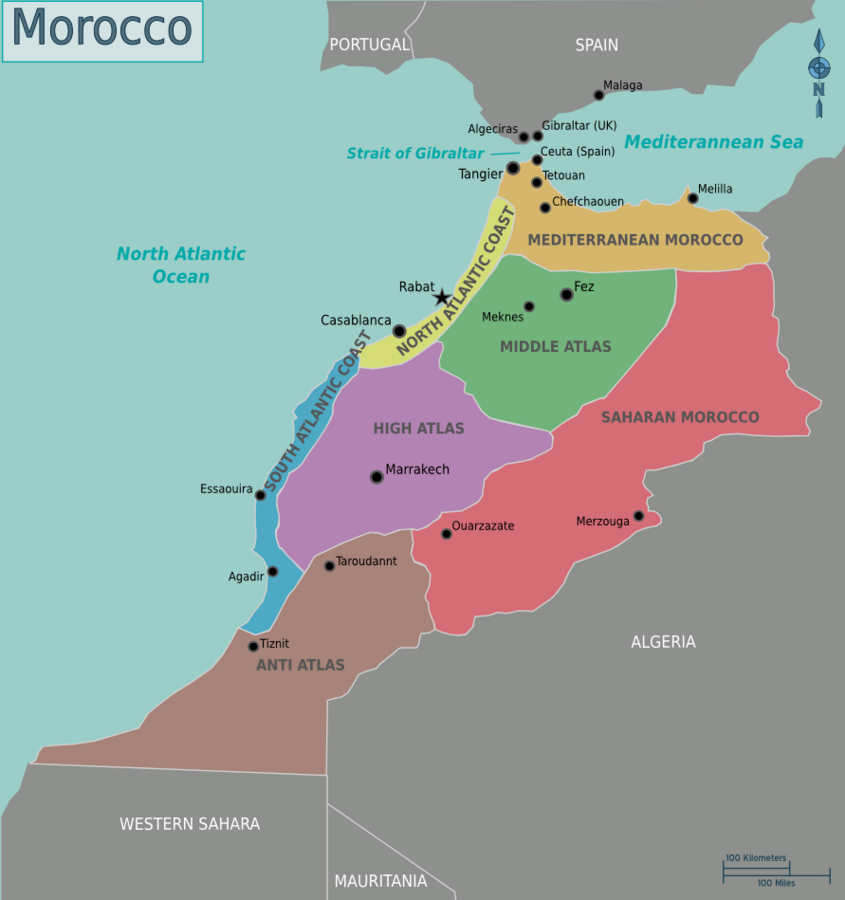
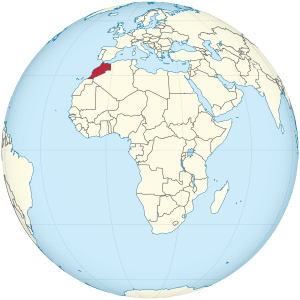
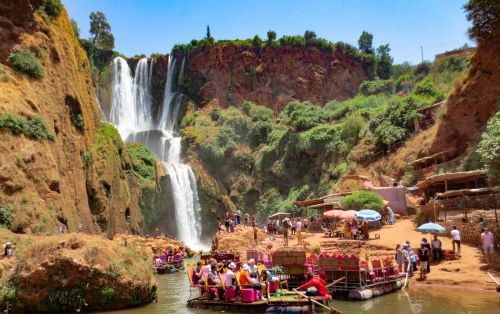
Morocco in pictures
Ready to Explore Morocco?
Experience the best of Morocco with insider knowledge
Suggested Morocco Tour
$544 a month for 6 months, 0% interest (ask for details)
Dates & availability for the next 12 months: any date w/ 7-day notice (some exceptions are made). Guided Tour to Morocco
Featured on
Popular places to visit in Morocco
Marrakesh
Maze-like souks, Jemaa el-Fnaa performers, palaces and gardens, artisan quarters, historic mosques, designer boutiques, rooftop views, and timeless medina energy.
Essaouira
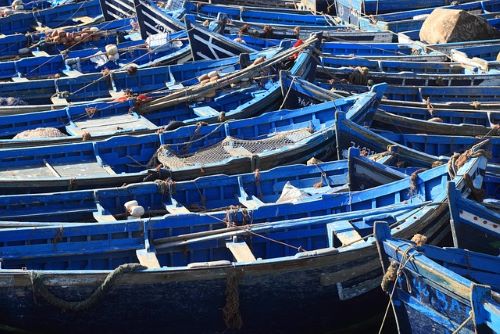
UNESCO seaside medina with ramparts, cannons, fishing port, art galleries, breezy beach walks, European-influenced grid streets, and relaxed coastal cafes.
Ouarzazate
Gateway city with Atlas film studios and cinema museum, desert architecture, palm groves, kasbah heritage, and cinematic landscapes stretching toward the Sahara.
Fez
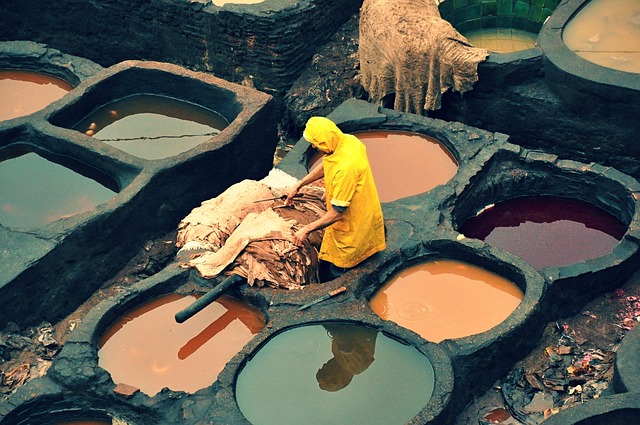
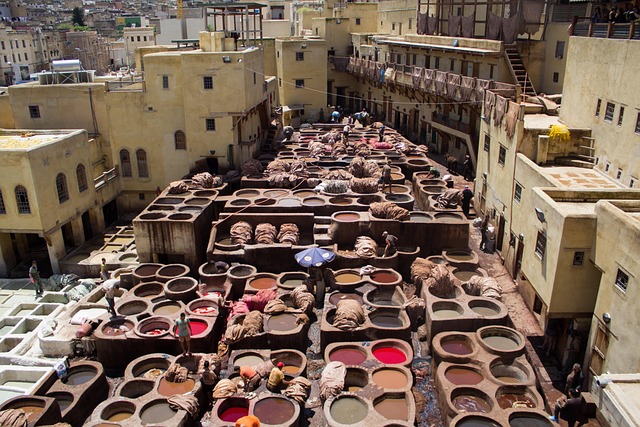
Living medieval medina with tanneries, madrasas, artisans pounding brass, historic gates, panoramic tomb viewpoints, and dinner hosted in a local home.
Chefchaouen
Blue-washed alleys, mountain backdrops, stair-step lanes, photogenic doorways, relaxed plazas, artisan shops, and golden-hour light that glows on indigo walls.
Casablanca
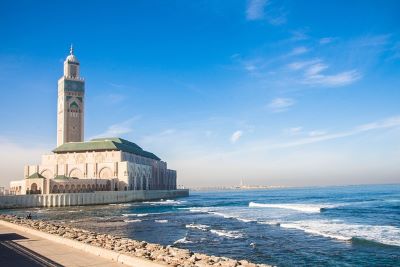
Oceanfront Hassan II Mosque tours reveal soaring minaret, intricate craftsmanship, Atlantic views, and a modern urban counterpoint to Morocco’s ancient medinas.
Rissani
Dusty caravan crossroads edging the Sahara, palm-filled oases and crumbling ksars, date markets perfumed with spices, donkey carts and blue-cloaked nomads, sunbaked adobe walls, and wide horizons
Tangier
Clifftop sea views where Atlantic and Mediterranean meet, whitewashed medina lanes, hilltop kasbah walls, tiled cafés with mint tea, Spanish-and-Moroccan façades, lantern-lit alleys, and sunsets.
Merzouga
Dune-fringed village at the edge of Erg Chebbi, camel caravans cresting orange sand waves, star-splashed desert skies, auburn kasbahs and auberges, Berber drums by the campfire at sunrise.
Recommended Travel Seasons
Seasons in Morocco
Morocco’s prime seasons are spring (March–May) and fall (September–November), bringing warm, sunny days—ideal for city exploring, desert journeys, and coastal breezes. Summer can be very hot inland around Marrakesh and the Sahara, while Atlantic towns like Essaouira stay cooler and windy. Winter is mild in most cities, with chilly nights in the desert and snow possible in the Atlas. Here, you can see more about Morocco’s highlights, routes, and seasonal tips. “best time to visit Morocco“.
Spring (Mar–May)
Mild, colorful, and comfortable—ideal for cities, coast, and light Atlas treks. Sweet spot for pleasant temps and blooming landscapes.
Summer (Jun–Aug)
Hot inland and in the south; cooler with breezes on the Atlantic coast. Beach time is great; plan desert and cities for mornings/evenings.
Autumn (Sep–Nov)
Warm, golden days with the sea still swimmable. Prime for Sahara trips, trekking, and sightseeing without peak heat.
Winter (Dec–Feb)
Mild on the coast, chilly inland, snowy in the High Atlas. Fewer crowds, clear desert skies, and good Atlantic surf.


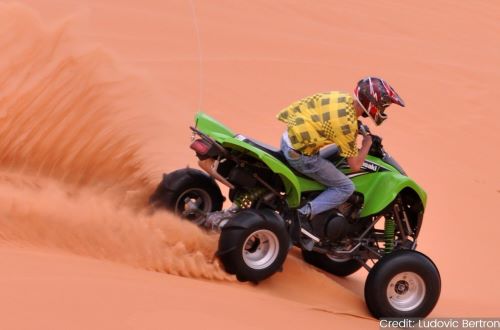
Exciting activities for every traveler
Useful information for planning your Morocco trip
What language is spoken in Morocco?
Arabic (Darija/Moroccan Arabic) and Amazigh (Berber) are the official languages. French is widely used in business, menus, and signage; English is increasingly common in major cities and tourist areas. Many guides are multilingual.
What’s the currency of Morocco?
The Moroccan dirham (MAD). ATMs are common in cities and larger towns. Credit cards are accepted at many hotels and riads, but carry cash for souks, small shops, and rural areas.
What food and drink should I try in Morocco?
Start with tagine (slow-cooked stew), couscous on Fridays, and pastilla (sweet–savory pie). Try zaalouk (eggplant salad), harira soup, fresh-squeezed orange juice, mint tea, and pastries like chebakia. In coastal towns, don’t miss grilled sardines and seafood.
Â
How much should I tip in Morocco?
Rounding up is appreciated. In cafés, leave a few dirhams; in restaurants, 5–10% is common if service isn’t included. For guides and drivers, tipping is customary based on service and trip length. Small change helps for porters and hammam attendants.
Can I drink alcohol in Morocco?
Alcohol is available in many hotels, bars, and some restaurants, especially in larger cities and resort areas. It’s not typically served in traditional medina eateries, and public drinking is discouraged. Purchase from licensed shops or hotel bars, and be mindful of local norms.
What should I wear to visit mosques and religious sites?
Most mosques in Morocco are not open to non-Muslim visitors (Hassan II Mosque in Casablanca is a notable exception with guided tours). Dress modestly: cover shoulders and knees; bring a light scarf for extra coverage when appropriate.
Â