
Live Chat Now
Chat Now
Poás Volcano National Park
Adventure, Nature & World-Class Comfort
Poás Volcano National Park
Adventure, Nature & World-Class Comfort
Spot leatherback turtles nesting on Tamarindo’s beaches
Bathe in natural hot springs near Arenal Volcano in La Fortuna
Discover Baird’s tapirs in the dense jungles of Corcovado National Park
Swim at La Fortuna Waterfall amid tropical rainforest scenery
Poás Volcano National Park
- Is Poás Volcano National Park open, and do I need advance reservations? Yes, it’s open most days, but entry slots are limited and must be booked online in advance on SINAC’s official site. Walk-ins aren’t allowed. Choose a specific time window and bring your passport and digital/printed ticket.
- How far is Poás from San José, and how long is the drive? It’s about 30–35 miles (50–55 km) from San José and typically a 1.5–2 hour drive each way, depending on traffic and weather. Roads are paved but can be foggy and wet at higher elevations.
- What’s the best time to visit for crater views? Early morning, especially in the dry season (December–April), offers the best chance of clear views. Cloud cover often builds by late morning. If possible, book the earliest time slot.
- How strenuous is the visit—are there hikes? The main crater viewpoint is a short, paved walk from the entrance, suitable for most visitors. There are additional signed trails that are moderate with some elevation. High altitude and volcanic gases can affect sensitive travelers.
- Is Poás safe to visit with current volcanic activity? Visits are permitted when monitoring indicates acceptable conditions. The park can close without notice due to increased activity or poor air quality. Follow ranger instructions, stay on marked trails, and check park alerts before you go.
- What should I bring and wear? Bring your passport, reservation QR code, layers for cool/wet weather, rain jacket, sturdy closed-toe shoes, water, and sun protection. Drones, pets, and smoking are not allowed. Facilities are basic; plan snacks and restrooms accordingly.
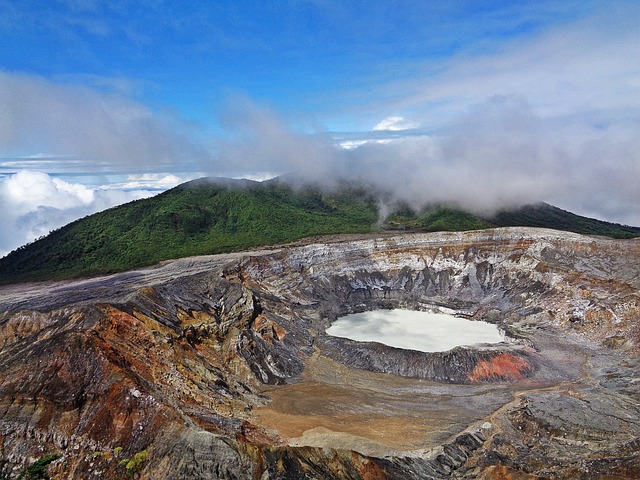
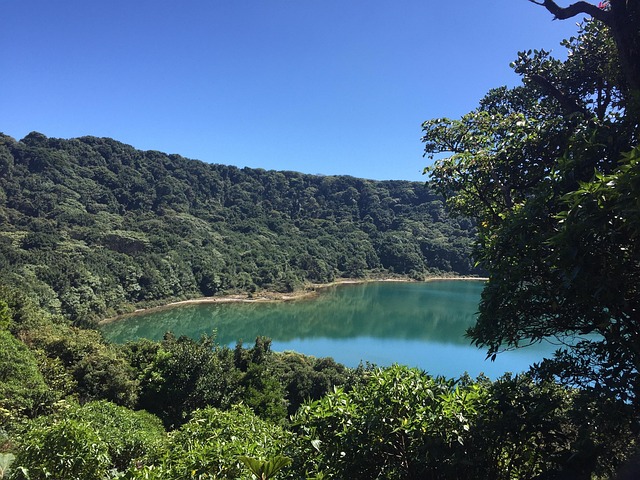
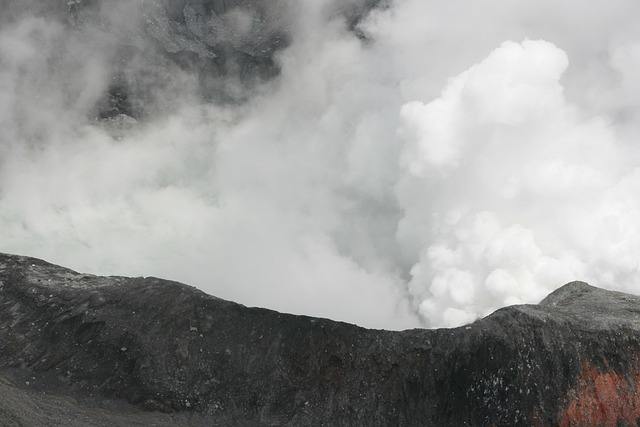
Poás Volcano National Park is one of Costa Rica’s most accessible active volcano experiences, pairing a dramatic, turquoise-acid crater lake with cloud forest trails and high-elevation vistas. Located a manageable day trip from San José and the airport area (Alajuela), Poás draws travelers who want a big “wow” moment without a strenuous hike. The park uses timed-entry reservations to protect visitors and the ecosystem, and the main crater viewpoint is a short, paved path that most travelers can handle. Early morning entries maximize your chances of seeing the crater before clouds roll in.
Most visitors pair Poás with nearby coffee plantations, waterfalls (like La Paz), and strawberry farms along the slopes for a full-day circuit. Weather shifts quickly at elevation, so pack layers and rain gear, and be prepared for sudden closures if volcanic conditions change. When visibility is good, the lookout delivers one of Costa Rica’s most iconic sights—an immense, steaming crater framed by emerald forest—and the surrounding trails reveal highland flora, birdlife, and cooler microclimates that contrast with the country’s tropical lowlands.
Costa Rica in pictures
Ready to go to Poás Volcano National Park in Costa Rica?
Experience Poás Volcano National Park in Costa Rica
Suggested Costa Rica Tour, including horse riding
$622 a month for 6 months, 0% interest (ask for details)
Featured on
Dates & availability for the next 12 months: any date w/ 7-day notice (some exceptions are made). Costa Rica 50+ luxury guided tour.
Popular places to visit in Costa Rica
Poas Volcano National Park
Join Charlie on a guided hike through the lush primary forest surrounding Cerro Chato, Arenal Volcano’s “older brother.”
Tamarindo
Tamarindo: Pacific beach town, surfing, sunsets, lively bars, tourist-friendly hub on Costa Rica’s Gold Coast..
Monteverede Cloud Forest
Spot tropical birds, take in the and experience the calm rhythm of nature from your kayak — a true Costa Rican highlight.
Manuel Antonio
Surrounded by rainforest, this private sanctuary offers the perfect blend of relaxation, and authentic Costa Rican.
Recommended Travel Seasons
Best time to go to Costa Rica
Costa Rica is welcoming year-round; the best time depends on comfort, crowds, and interests.
December to April (Pacific dry season): Sunniest on the Pacific—ideal for beaches, volcano viewpoints, hanging bridges, and wildlife walks. Peak demand and prices; pre-book popular parks, guides, and hotels.
May to June (Early shoulder): Sun with light afternoon showers, greener scenery, fewer crowds, better value. Great for morning hikes, waterfalls, and cloud-forest birding.
September to November (Rainiest on Pacific/highlands): Frequent afternoon/evening showers; schedule outdoor activities early. Lean into hot springs, spas, chocolate/coffee tours, and cooking classes. Budget-friendlier rates.
September to October (Caribbean sweet spot): Often the driest, clearest window on the Caribbean (Tortuguero, Puerto Viejo)—prime for beaches, snorkeling, and turtle nesting.
June to October (Wildlife and seas): Humpback whales along the Central/South Pacific (peak Aug–Oct). Lush rainforests boost bird/frog activity; rivers suit wildlife floats and some whitewater (conditions vary).
Things to do in Costa Rica for active over 50s travelers
Useful information for planning your Costa Rica adventure
What language is spoken in Costa Rica?
Spanish is the official language, but you’ll find that English is widely spoken, especially in popular travel areas. Charlie’s local guides are bilingual, making communication easy wherever your adventure takes you.
What’s the currency of Costa Rica?
Costa Rica uses the colón (CRC). U.S. dollars are accepted in most tourist spots, and ATMs are widely available for local cash withdrawals.
What food and drink should I try in Costa Rica?
Costa Rica’s cuisine is as colorful as its landscapes! Charlie recommends trying gallo pinto for breakfast, casado for lunch, and fresh-caught seafood for dinner. Don’t miss the locally grown coffee and rich chocolate — two of the country’s best exports.
How much should I tip in Costa Rica?
Tipping is appreciated but not complicated. Most restaurants include a 10% service charge, plus a 13% tax. If service is exceptional, adding a little extra tip is always a kind gesture.
Where can I find the latest travel advice for Costa Rica?
For up-to-date entry requirements, health, and safety details, visit your country’s official travel advisory website. Charlie and his team also provide travelers with the latest local updates before your trip.
What’s the proper etiquette when visiting churches in Costa Rica?
When visiting Costa Rica’s beautiful churches, dress modestly out of respect — cover shoulders and knees. Charlie’s tours always highlight local customs so you can experience the culture respectfully and authentically.