Live Chat Now
Chat Now
Merzouga
Adventure, Nature & Wor​ld-Class Comfort
Merzouga
Adventure, Nature & Wor​ld-Class Comfort
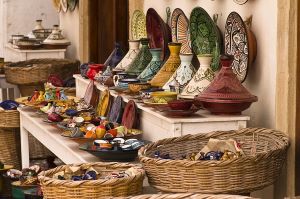
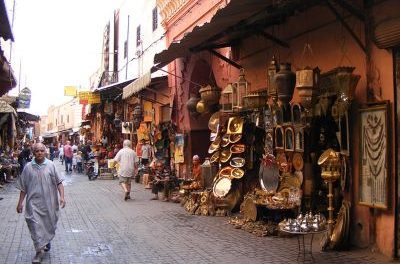
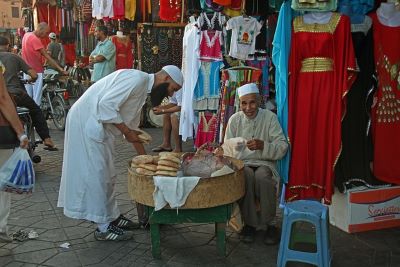
Visit the local markets in Marrakesh
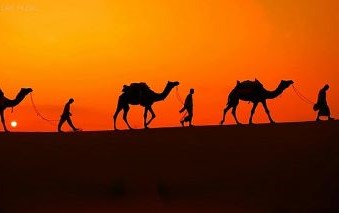
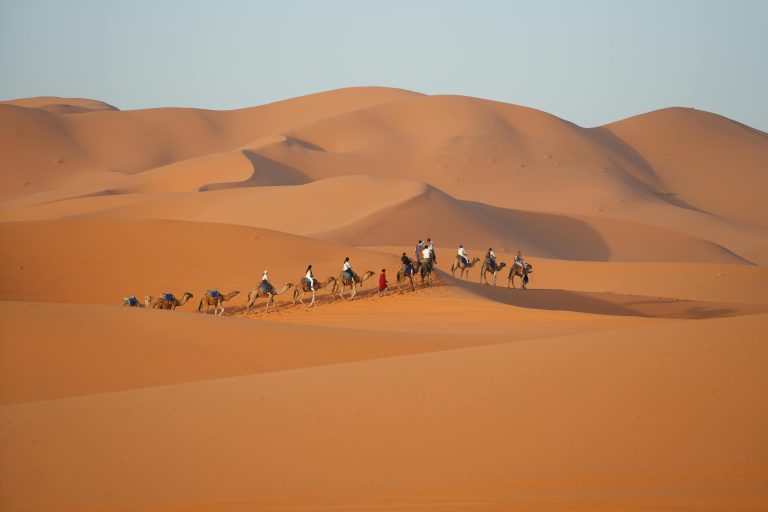
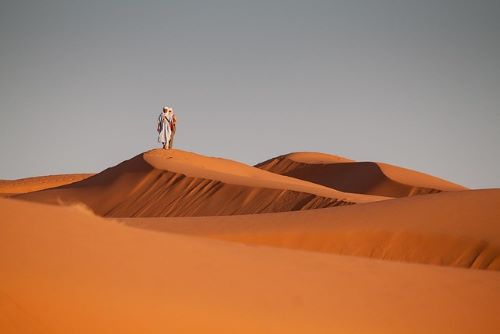
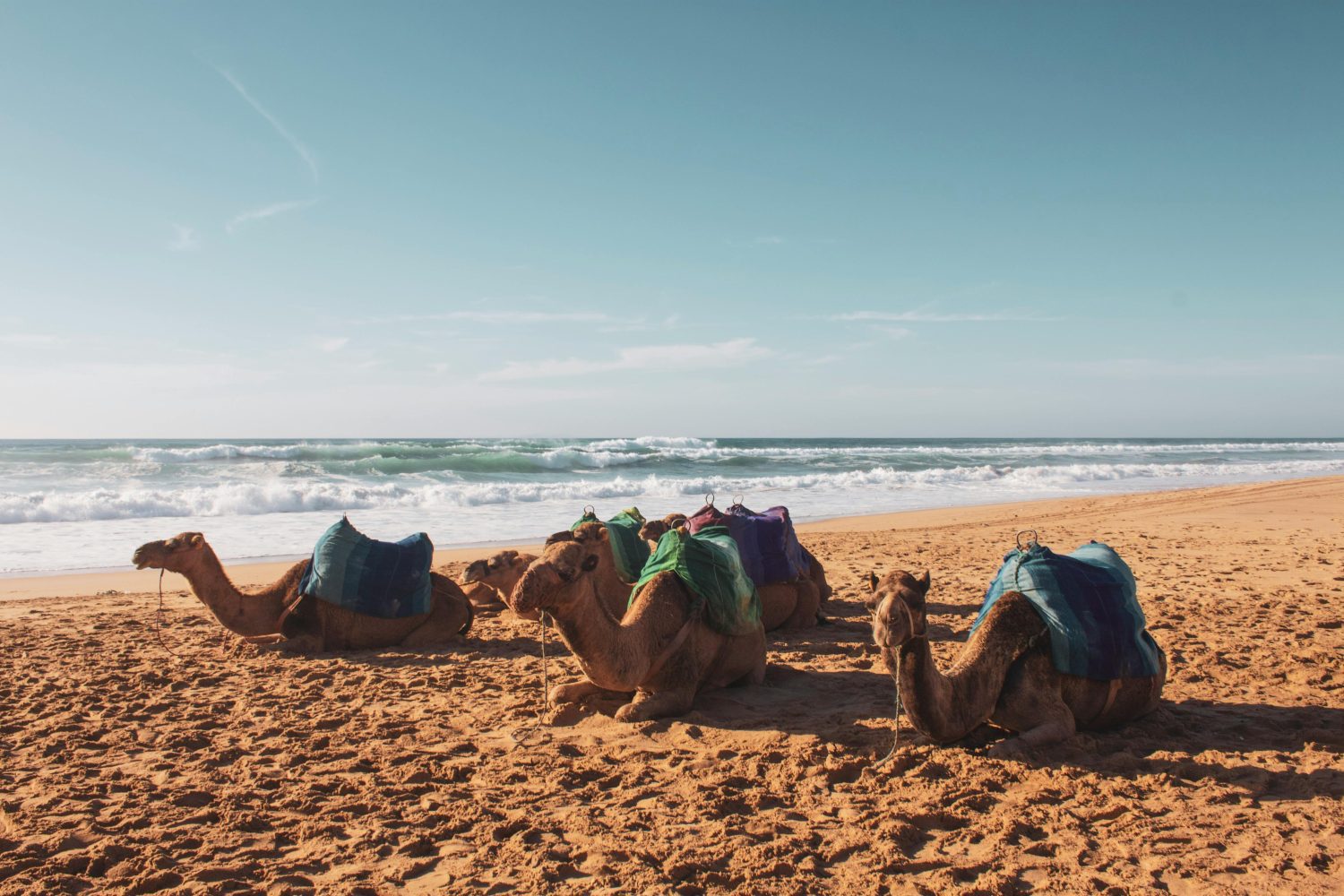
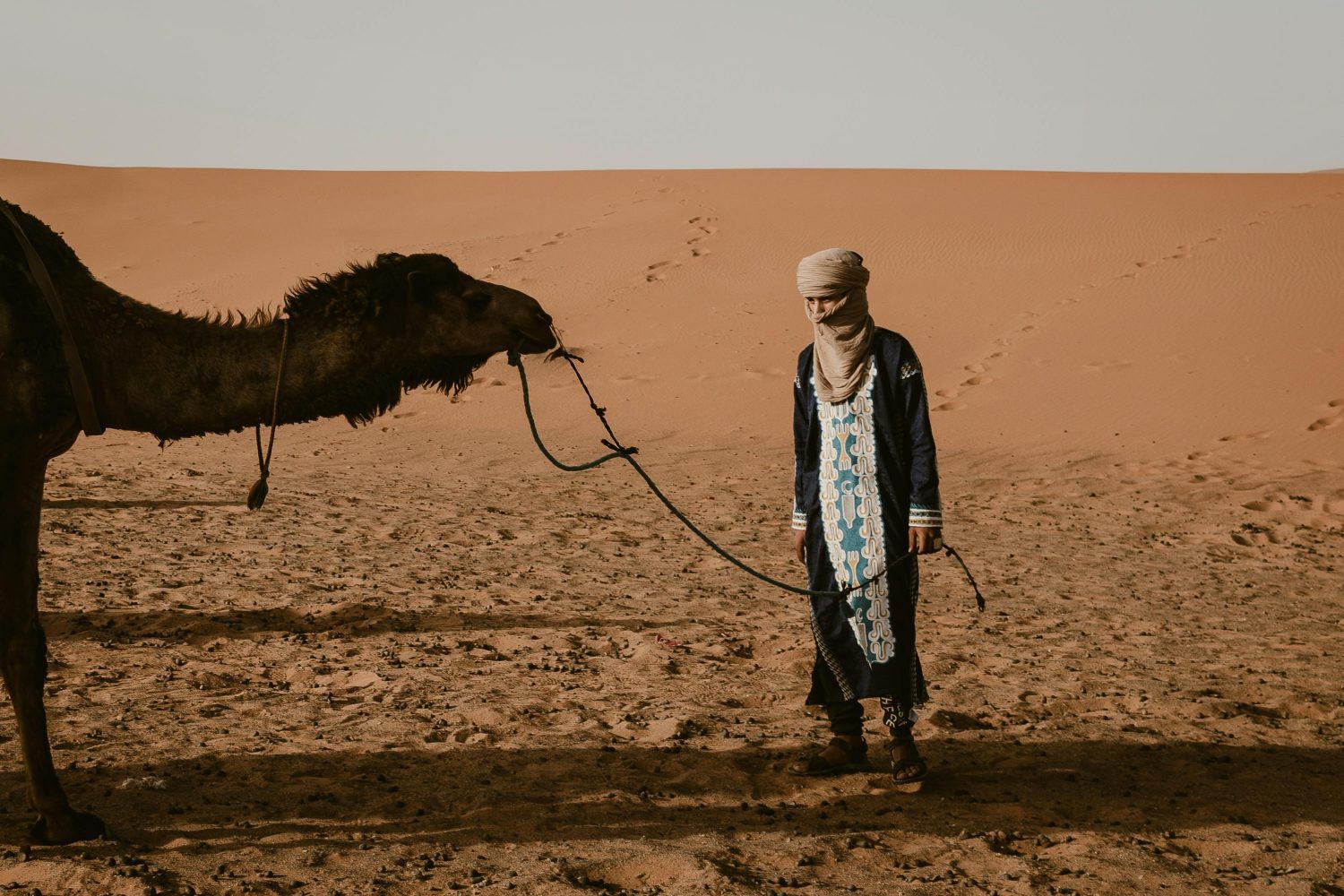
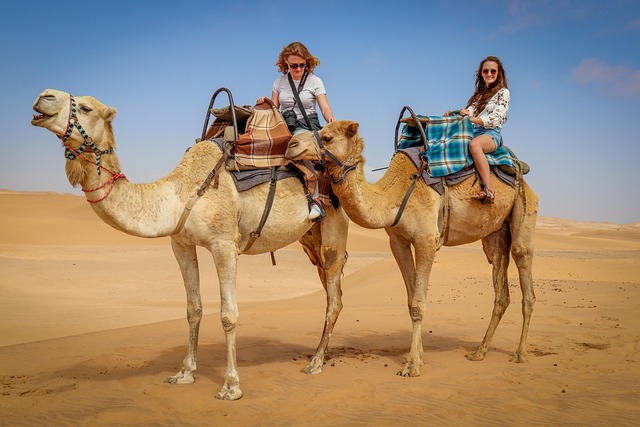
Camel trek in the Sahara Desert
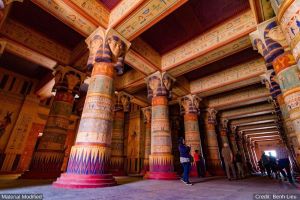
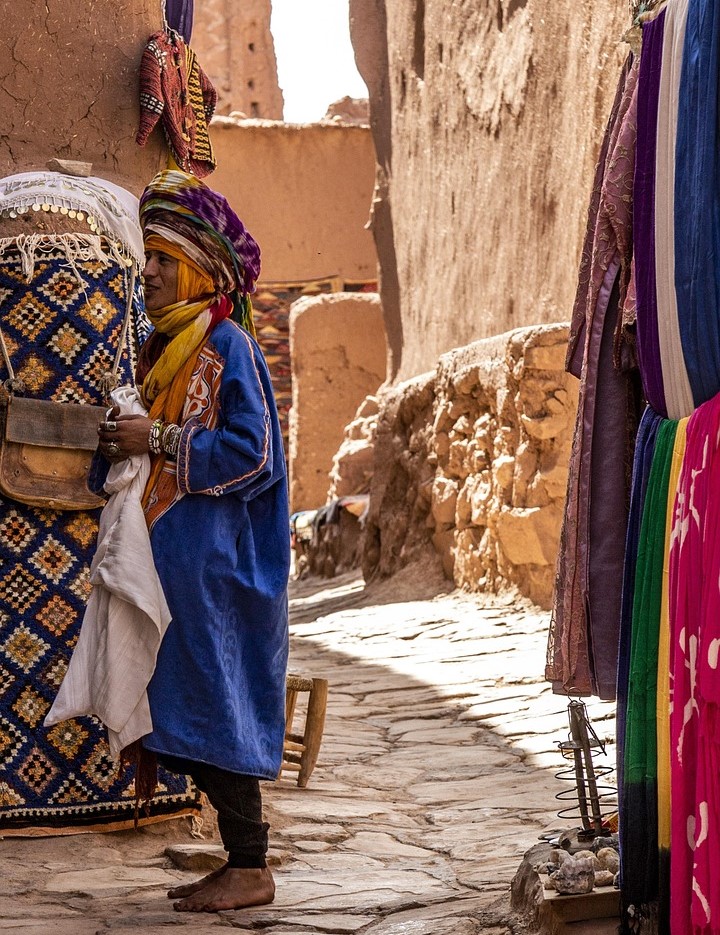
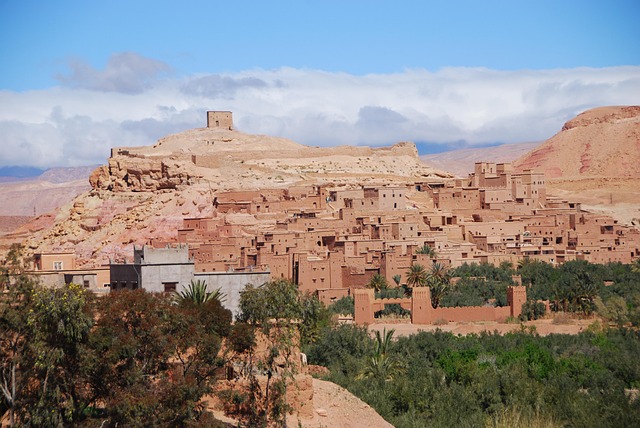
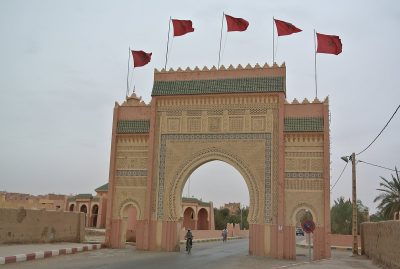
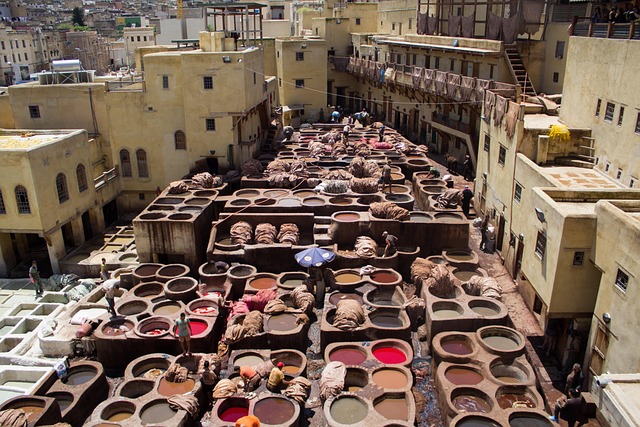
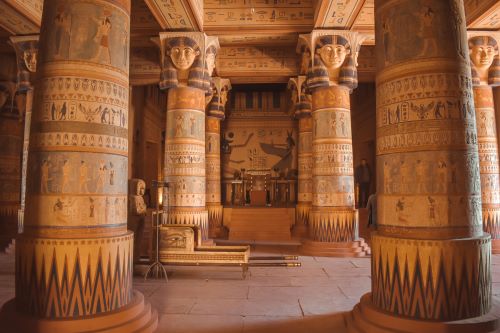
Spectacular architecture in Morocco
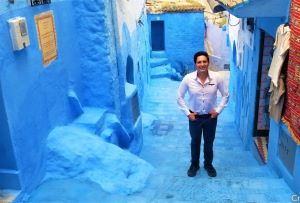
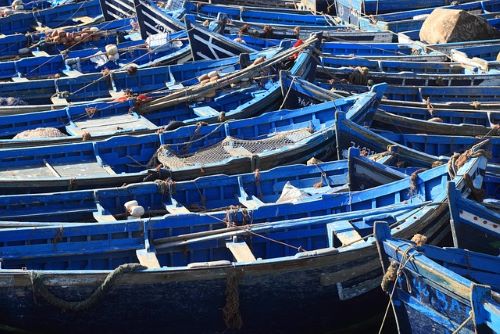
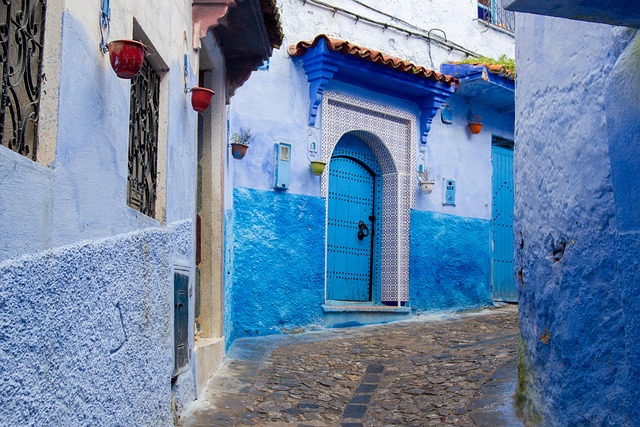
Walking the maze-like Streets in the Blue Village
Merzouga
- What makes Merzouga the right gateway for a refined Sahara experience? Merzouga fronts the Erg Chebbi dunes—tall, russet waves of sand close to quality tented camps and reliable outfitters. Access is straightforward by private driver, and premium camps offer en suite tents, fine dining, and attentive service without sacrificing the magic of the desert night sky.
- When is the best time to visit Merzouga for comfortable temperatures and clear skies? March–May and late September–November. Days are warm, evenings pleasantly cool, and star visibility is excellent. Summer can be very hot; winter nights are crisp—bring layers for sunrise and after dark.
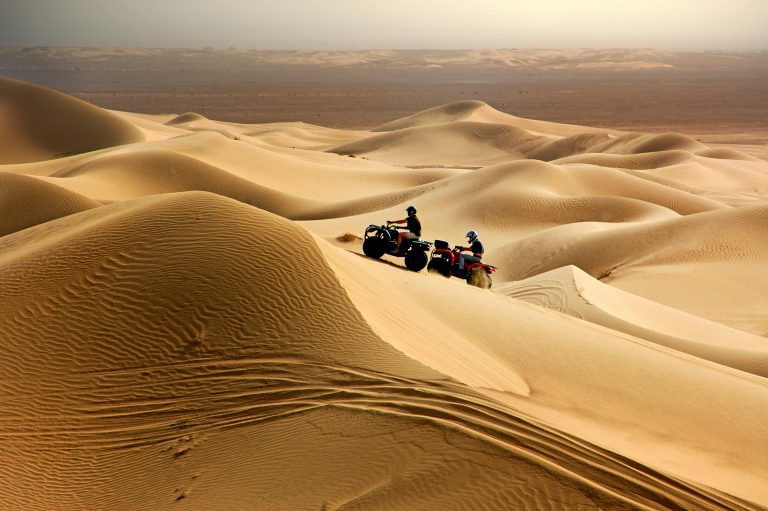
- How do camel treks compare with 4x4 transfers for reaching camp? Many travelers choose a short, sunset camel ride for the classic approach and a 4x4 for luggage or the return. Camels offer a serene, photogenic entry to camp; 4x4s are faster and easier if you prefer less time in the saddle or want to arrive before dusk cocktails.
- What level of comfort can I expect at the top desert camps near Merzouga? The best camps provide spacious en suite tents with proper beds, high quality linens, hot showers, and heating or extra blankets in cooler months. Expect plated dinners, curated wine lists (where licensed), attentive hosts, and thoughtful touches like lantern lit walkways and private dune setups for sunrise coffee.
- How should I plan my photography and dune time to avoid crowds and harsh light? Aim for golden hour: arrive to the edge of the dunes 60–90 minutes before sunset, and rise early for blue hour into sunrise. Ask your camp to guide you to quieter ridgelines; mid day is best reserved for shaded lounges, a siesta, or a gentle 4x4 outing around the dunes and nearby oases.
- What’s the best way to integrate Merzouga into a broader itinerary without feeling rushed? Overnight in the Dades or Erfoud area, arrive in Merzouga by mid afternoon for a sunset entry to camp, and depart after a leisurely breakfast the next morning. If time allows, add a second night for a slower rhythm—sunrise on a private dune, a visit to a Gnawa music community, and sundowners on a new ridge.
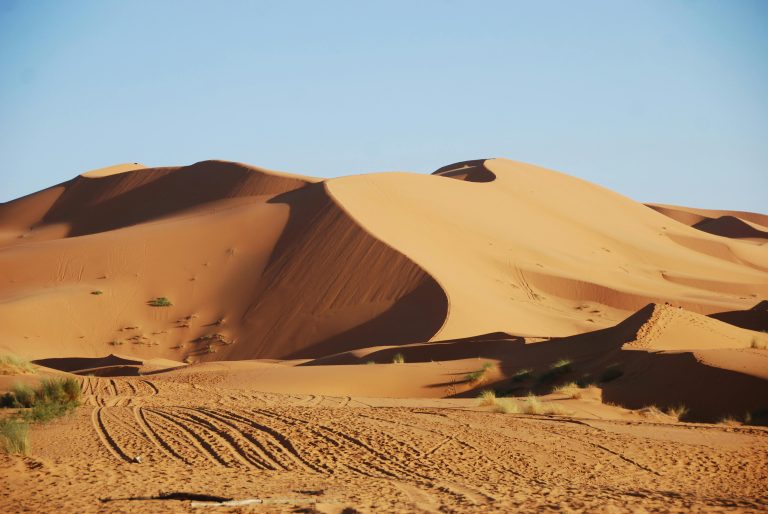
Merzouga sits at the foot of Erg Chebbi, where the dunes rise abruptly from the hamada, turning gold, rose, and amber as the sun arcs across the sky. The approach is part of the pleasure: date‑palm oases give way to the first ripples of sand, then your camp appears like a mirage—canvas suites arranged to face the evening light. Nights are quiet and crystalline, with constellations crowding the sky and soft percussion drifting over the dunes after dinner. Mornings bring still air and a pastel glow, perfect for a short climb to a private ridge before breakfast.
For travelers who value comfort as much as sense of place, Merzouga delivers. Premium camps balance privacy with polished hospitality, arranging sunset camel entries, private aperitifs on a dune crest, and unhurried meals under a canopy of stars. Beyond camp life, guided 4×4 loops thread through fossil flats, seasonal lakes when present, and small communities where Gnawa rhythms and tea rituals offer a human counterpoint to the vastness. With thoughtful timing and the right hosts, the Sahara feels both intimate and grand—an experience measured in changing light and lingering quiet.
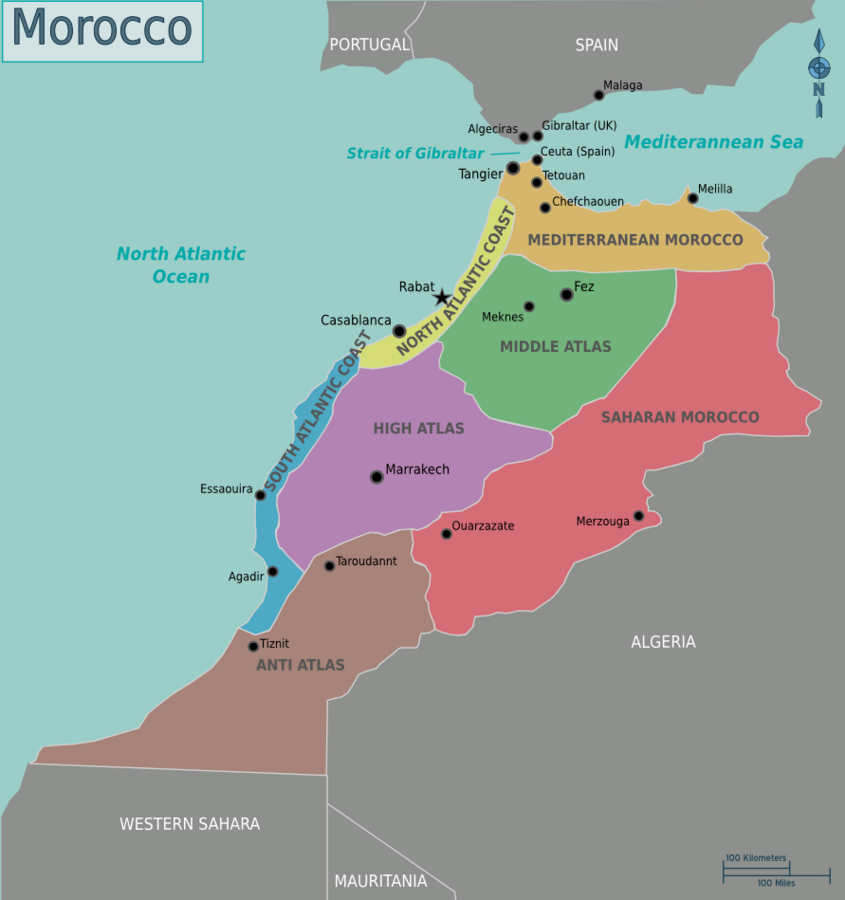
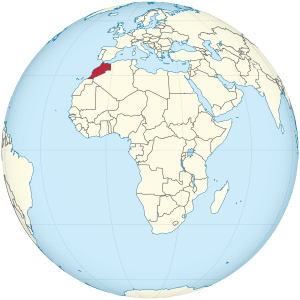
Morocco in pictures
Ready to Explore Morocco?
Experience the best of Morocco with insider knowledge
Suggested Morocco Tour
$544 a month for 6 months, 0% interest (ask for details)
Dates & availability for the next 12 months: any date w/ 7-day notice (some exceptions are made). Over 50s Luxury Guided Tour to Morocco
Featured on
Popular places to visit in Morocco
Marrakesh
Maze-like souks, Jemaa el-Fnaa performers, palaces and gardens, artisan quarters, historic mosques, designer boutiques, rooftop views, and timeless medina energy.
Essaouira
UNESCO seaside medina with ramparts, cannons, fishing port, art galleries, breezy beach walks, European-influenced grid streets, and relaxed coastal cafes.
Ouarzazate
Gateway city with Atlas film studios and cinema museum, desert architecture, palm groves, kasbah heritage, and cinematic landscapes stretching toward the Sahara.
Fez
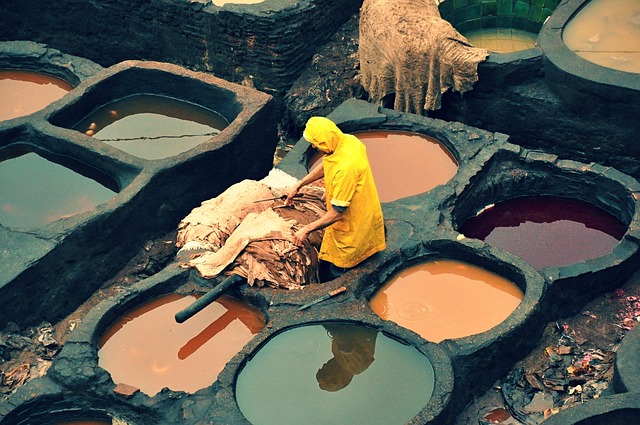
Living medieval medina with tanneries, madrasas, artisans pounding brass, historic gates, panoramic tomb viewpoints, and dinner hosted in a local home.
Chefchaouen
Blue-washed alleys, mountain backdrops, stair-step lanes, photogenic doorways, relaxed plazas, artisan shops, and golden-hour light that glows on indigo walls.
Casablanca
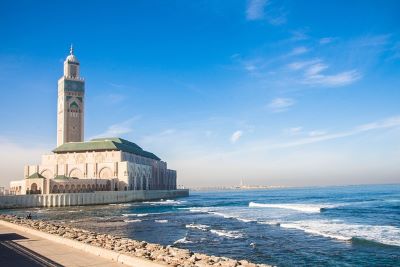
Oceanfront Hassan II Mosque tours reveal soaring minaret, intricate craftsmanship, Atlantic views, and a modern urban counterpoint to Morocco’s ancient medinas.
Rissani
Small town near the Sahara with simple streets, nearby palm oases and old forts, a big date market, donkey carts and local traders, mud-brick houses, and open views that turn orange in the evening.
Tangier
Port city where Atlantic and Mediterranean meet, white medina streets, hilltop kasbah walls, local cafés serving mint tea, mix of Spanish and Moroccan buildings, busy market alleys, and sunsets lighting up the skyline.
Merzouga
Village next to the Erg Chebbi sand dunes, camel rides into the desert, clear night skies full of stars, small hotels and desert camps, local music around the fire, and sunrise changing the dunes’ color.
Recommended Travel Seasons
Seasons in Morocco
Morocco’s prime seasons are spring (March–May) and fall (September–November), bringing warm, sunny days—ideal for city exploring, desert journeys, and coastal breezes. Summer can be very hot inland around Marrakesh and the Sahara, while Atlantic towns like Essaouira stay cooler and windy. Winter is mild in most cities, with chilly nights in the desert and snow possible in the Atlas. Here, you can see more about Morocco’s highlights, routes, and seasonal tips. “best time to visit Morocco“.
Spring (Mar–May)
Mild, colorful, and comfortable—ideal for cities, coast, and light Atlas treks. Sweet spot for pleasant temps and blooming landscapes.
Summer (Jun–Aug)
Hot inland and in the south; cooler with breezes on the Atlantic coast. Beach time is great; plan desert and cities for mornings/evenings.
Autumn (Sep–Nov)
Warm, golden days with the sea still swimmable. Prime for Sahara trips, trekking, and sightseeing without peak heat.
Winter (Dec–Feb)
Mild on the coast, chilly inland, snowy in the High Atlas. Fewer crowds, clear desert skies, and good Atlantic surf.
Exciting activities for every traveler
Useful information for planning your Morocco trip
What language is spoken in Morocco?
Arabic (Darija/Moroccan Arabic) and Amazigh (Berber) are the official languages. French is widely used in business, menus, and signage; English is increasingly common in major cities and tourist areas. Many guides are multilingual.
What’s the currency of Morocco?
The Moroccan dirham (MAD). ATMs are common in cities and larger towns. Credit cards are accepted at many hotels and riads, but carry cash for souks, small shops, and rural areas.
What food and drink should I try in Morocco?
Start with tagine (slow-cooked stew), couscous on Fridays, and pastilla (sweet–savory pie). Try zaalouk (eggplant salad), harira soup, fresh-squeezed orange juice, mint tea, and pastries like chebakia. In coastal towns, don’t miss grilled sardines and seafood.
Â
How much should I tip in Morocco?
Rounding up is appreciated. In cafés, leave a few dirhams; in restaurants, 5–10% is common if service isn’t included. For guides and drivers, tipping is customary based on service and trip length. Small change helps for porters and hammam attendants.
Can I drink alcohol in Morocco?
Alcohol is available in many hotels, bars, and some restaurants, especially in larger cities and resort areas. It’s not typically served in traditional medina eateries, and public drinking is discouraged. Purchase from licensed shops or hotel bars, and be mindful of local norms.
What should I wear to visit mosques and religious sites?
Most mosques in Morocco are not open to non-Muslim visitors (Hassan II Mosque in Casablanca is a notable exception with guided tours). Dress modestly: cover shoulders and knees; bring a light scarf for extra coverage when appropriate.
Â