Live Chat Now
Chat Now
Marrakesh
Adventure, Nature & World-Class Comfort
Morocco
Adventure, Nature & World-Class Comfort
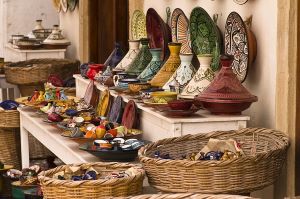
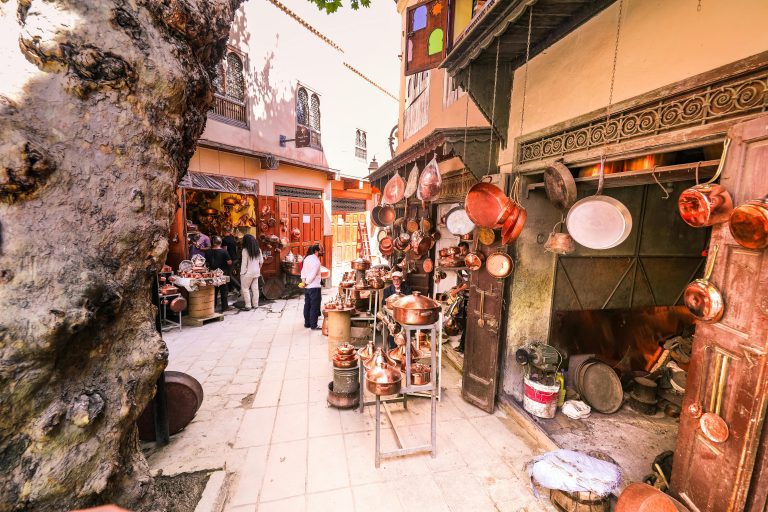
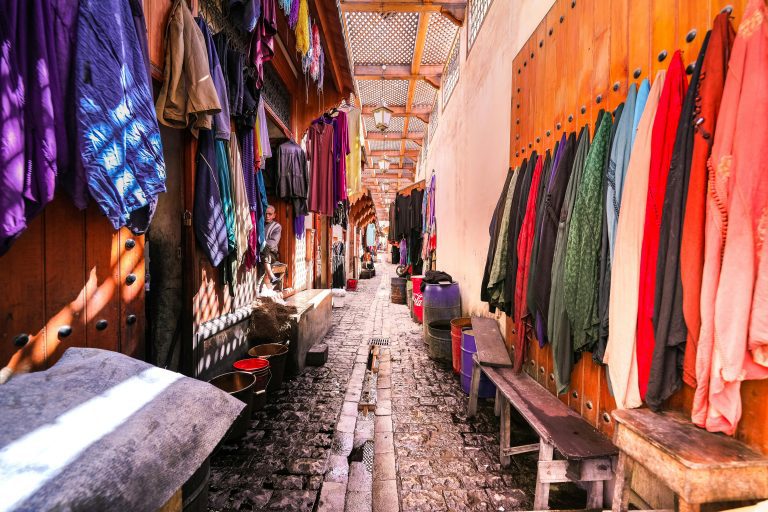
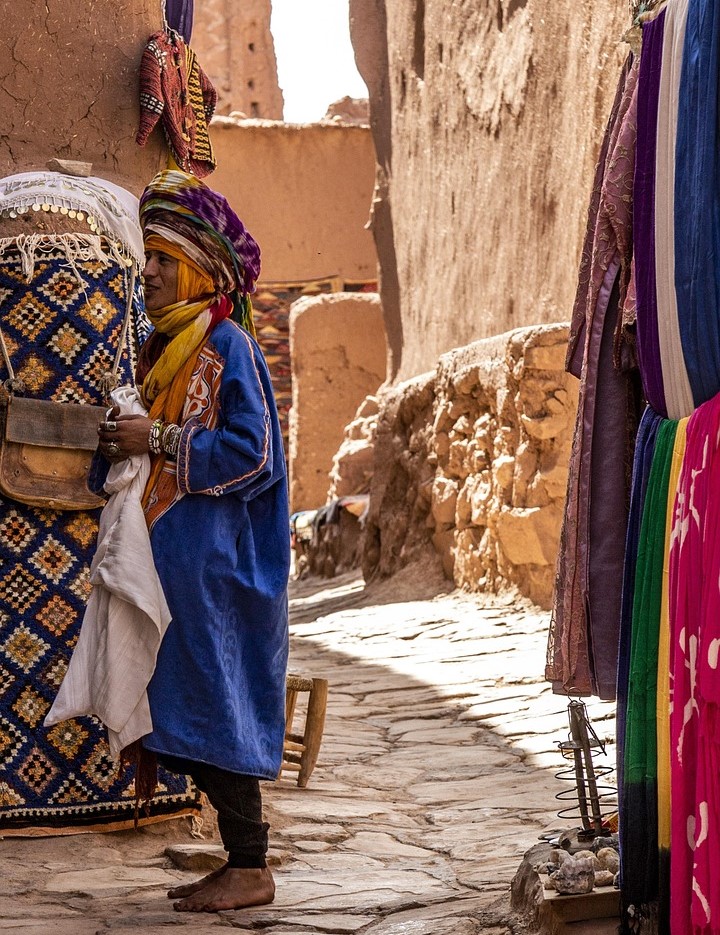
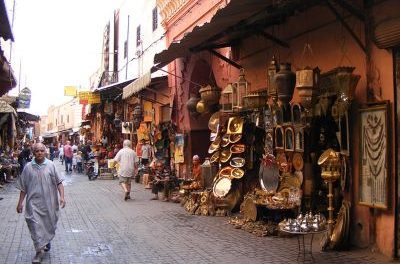
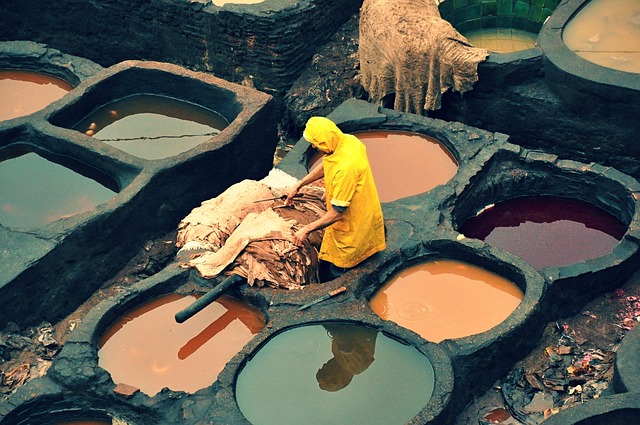
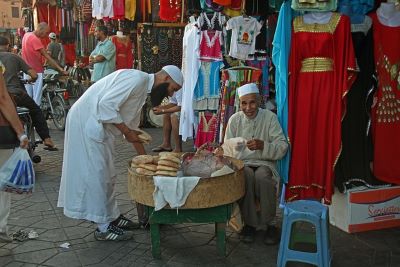
Visit the local markets in Morocco
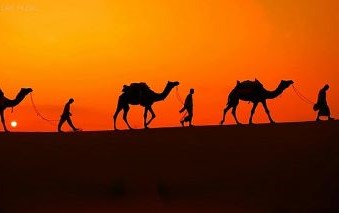
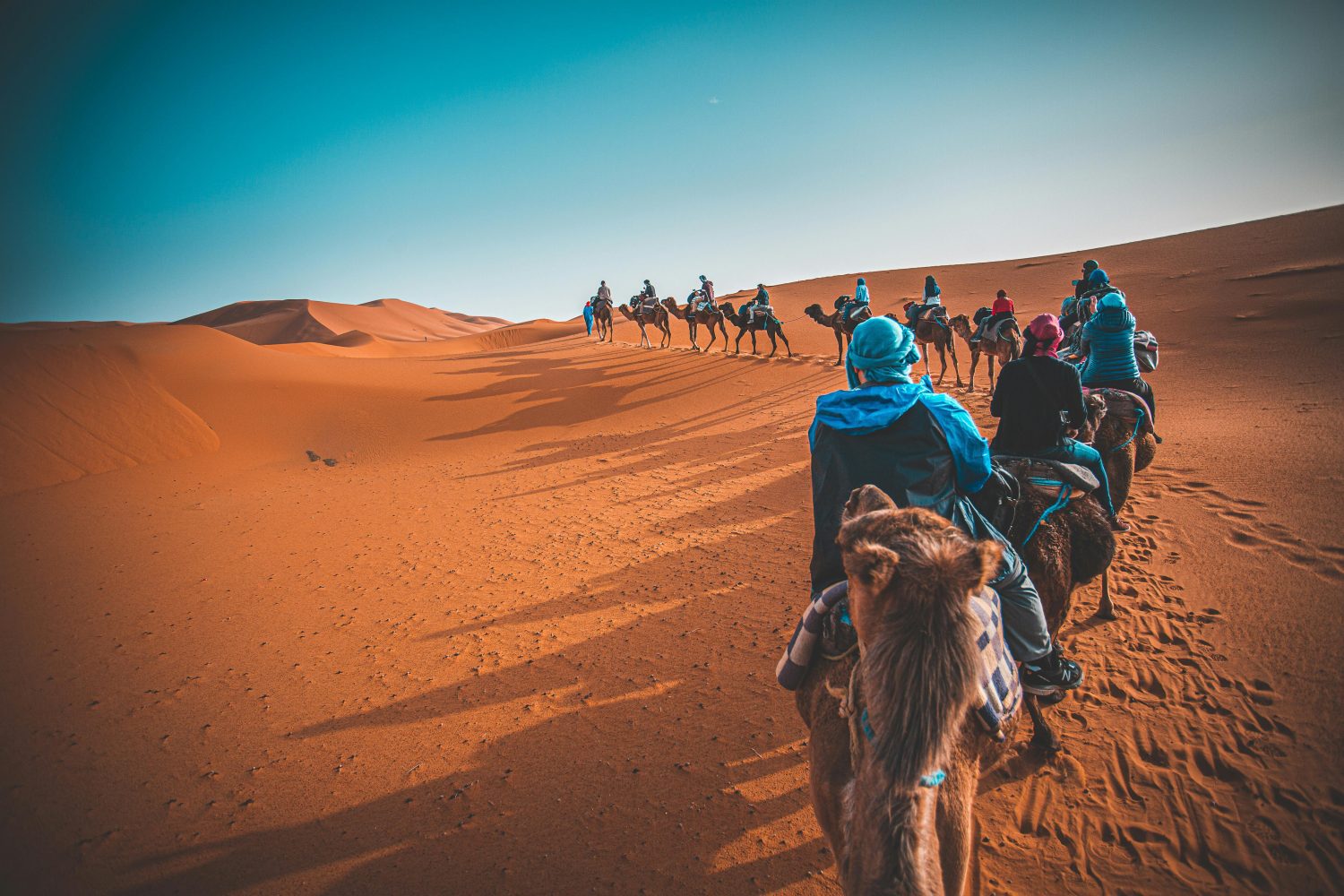
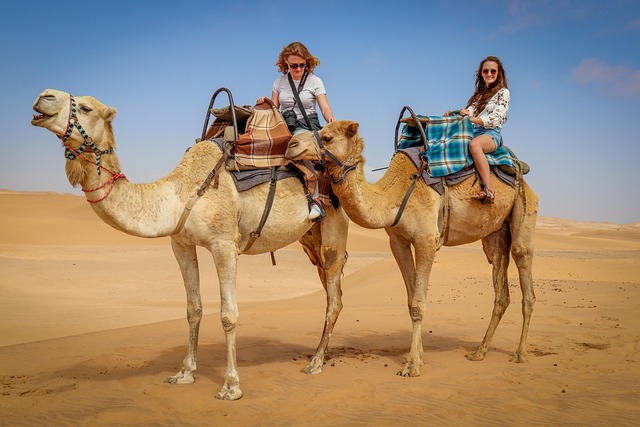
Camel trek in the Sahara Desert
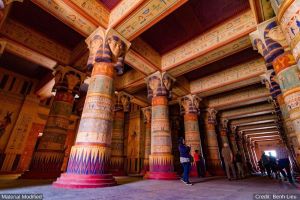
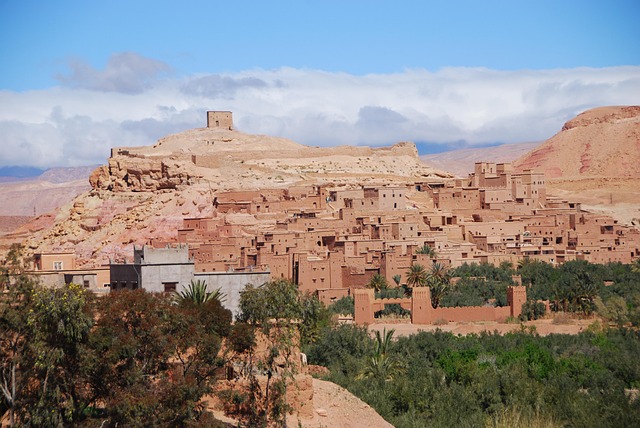
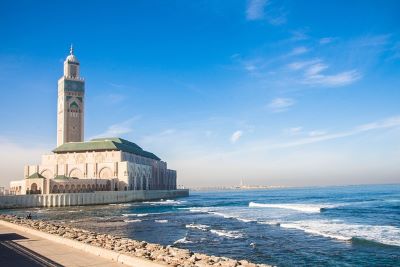
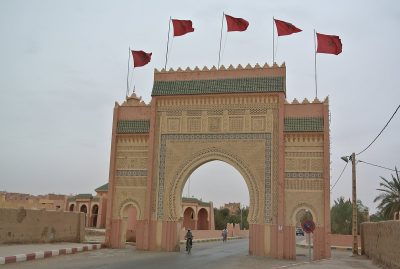
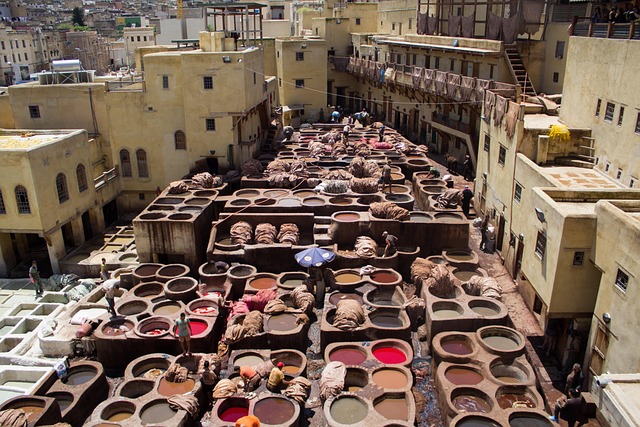
Spectacular architecture in Morocco
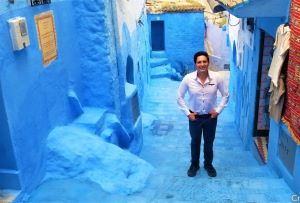
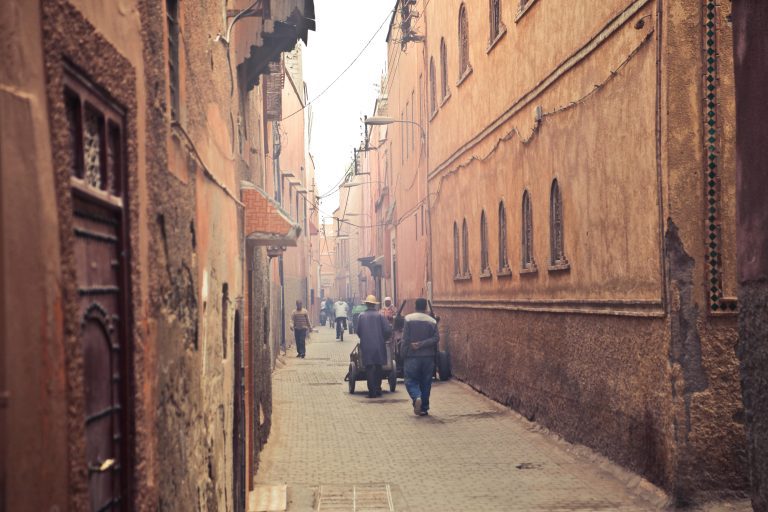
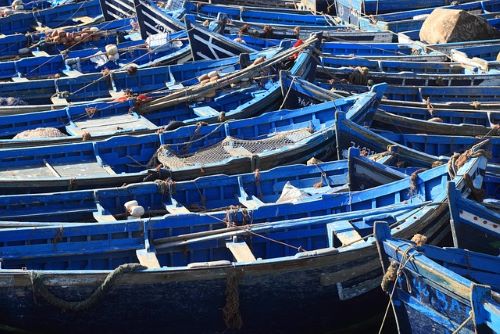
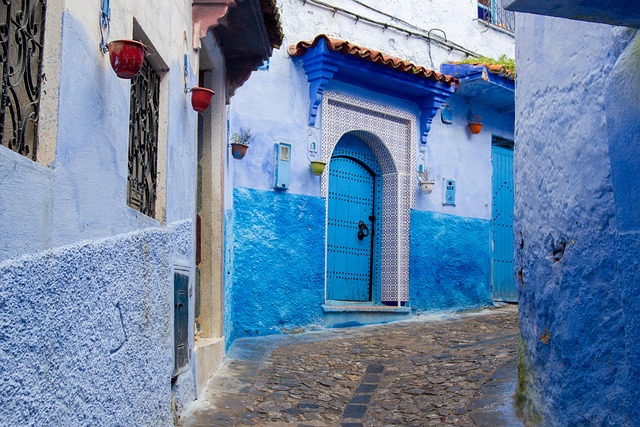
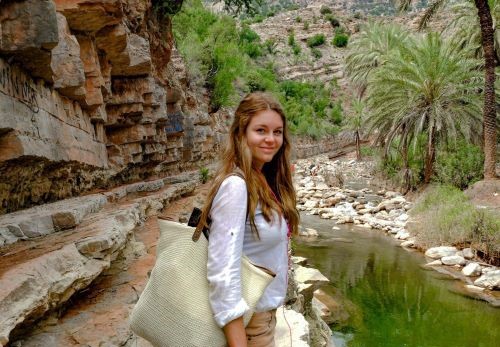
Walking the maze-like Streets in the Blue Village
Marrakesh - ancient medina meets modern elegance
- Will adults Over 50s find walking around Marrakesh manageable? Yes. Guided tours are paced comfortably with frequent stops for shopping, refreshments, and rest. Medina exploration involves uneven cobblestones and narrow lanes, but reputable guides know shortcuts, less-crowded routes, and where to find shaded courtyards. Transport between sites is arranged, minimizing long walks.
- What is the best time of year to visit Marrakesh with comfortable weather? Spring (March–May) and fall (September–November) offer warm, sunny days and pleasant evenings—ideal for medina tours, garden visits, and rooftop dining. Winter (December–February) is mild but can be chilly at night. Summer (June–August) brings intense heat; plan morning and late-afternoon activities if traveling then.
- How do I navigate the souks safely, and will my guide help with shopping? Expert guides lead you through the maze-like souks, handle negotiations, and steer you toward quality artisan workshops. They help you avoid aggressive vendors and tourist traps while explaining crafts like zellige tilework, leather goods, and spices. Keep valuables secure and follow your guide's lead.
- What accommodations work best for comfort-focused travelers in Marrakesh? Traditional riads (historic courtyard homes converted to boutiques) offer intimate, peaceful settings steps from major sites—many have ground-floor rooms, attentive staff, and rooftop terraces. For more space and amenities, upscale hotels in the Hivernage or Palmeraie districts provide pools, spas, elevators, and easy medina access by car.
- Are there quieter alternatives to the chaotic Jemaa el-Fnaa square? Absolutely. While Jemaa el-Fnaa is iconic (and best enjoyed from a rooftop café), your itinerary can emphasize serene palace gardens like Bahia Palace and Jardin Majorelle, tranquil museum courtyards, and peaceful riad dining experiences. Guides time visits to avoid peak crowds at popular sites.
- What are the must-see attractions in Marrakech for a first-time senior visitor? Marrakesh offers several must-see attractions that are manageable with limited walking. Start with Jemaa el-Fnaa Square, where you can enjoy the lively atmosphere from nearby cafés. The Majorelle Garden and Le Jardin Secret provide peaceful, wheelchair-friendly paths and plenty of seating. Explore Bahia Palace and Saadian Tombs, which have flat grounds and resting spots. Admire the Koutoubia Mosque and its gardens from the outside, and consider visiting a section of the traditional souks with a guide or taxi drop-off to avoid long walks.
Marrakesh blends a thousand years of history with striking design, spice-scented air, and artisan traditions passed down through generations—all packaged in a way that fifty plus travelers can enjoy without feeling overwhelmed. Your expert guide leads you into the medina’s labyrinth, revealing hidden courtyards, intricate wood-carved doors, and workshops where craftsmen hammer brass trays and dye leather using centuries-old techniques. Jemaa el-Fnaa square pulses with storytellers, juice vendors, and musicians, but you’ll experience it from a calm rooftop perch with mint tea in hand. Stroll the elegant Bahia Palace with its painted ceilings and tranquil gardens, then retreat to the serene cobalt-and-gold oasis of Jardin Majorelle, where cactus gardens and reflecting pools offer a respite from the medina’s energy.
Beyond sightseeing, Marrakesh delivers comfort and style. Traditional riads welcome you into intimate courtyards with fountain music, rooftop terraces for sunrise coffee, and home-cooked tagines served family-style. Upscale hotels provide modern amenities—spas, pools, air-conditioned lounges—while still keeping you close to the medina’s heartbeat. Your guide handles logistics, coordinates private transport, and paces the day with breaks for shopping, refreshments, and moments to simply absorb the atmosphere. Whether you are negotiating for hand-woven carpets in the souks, savoring a slow dinner under the stars, or watching the call to prayer echo across terracotta rooftops, Marrakesh offers a richly textured experience designed for travelers who value authenticity, comfort, and expert guidance.

Morocco in pictures
Ready to Explore Morocco?
Experience the best of Morocco with insider knowledge
Suggested Morocco Tour
$544 a month for 6 months, 0% interest (ask for details)
Dates & availability for the next 12 months: any date w/ 7-day notice (some exceptions are made). Guided Tour to Morocco
Featured on
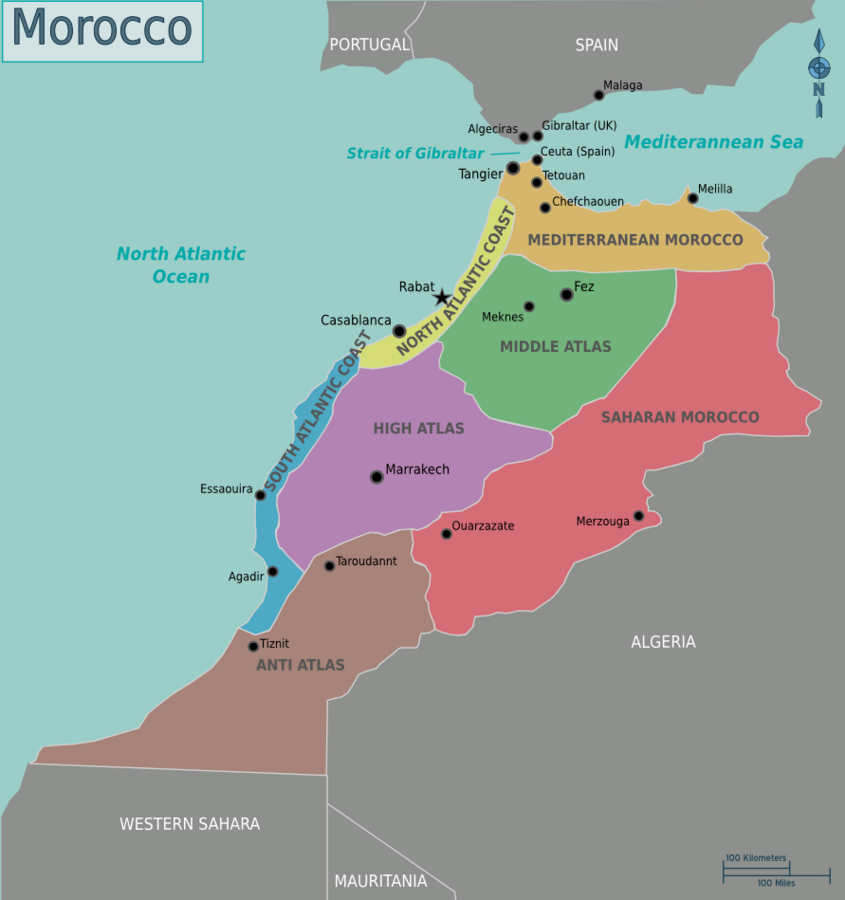
Popular places to visit in Morocco
Marrakesh
Maze-like souks, Jemaa el-Fnaa performers, palaces and gardens, artisan quarters, historic mosques, designer boutiques, rooftop views, and timeless medina energy.
Essaouira
UNESCO seaside medina with ramparts, cannons, fishing port, art galleries, breezy beach walks, European-influenced grid streets, and relaxed coastal cafes.
Ouarzazate
Gateway city with Atlas film studios and cinema museum, desert architecture, palm groves, kasbah heritage, and cinematic landscapes stretching toward the Sahara.
Fez
Living medieval medina with tanneries, madrasas, artisans pounding brass, historic gates, panoramic tomb viewpoints, and dinner hosted in a local home.
Chefchaouen
Blue-washed alleys, mountain backdrops, stair-step lanes, photogenic doorways, relaxed plazas, artisan shops, and golden-hour light that glows on indigo walls.
Casablanca
Oceanfront Hassan II Mosque tours reveal soaring minaret, intricate craftsmanship, Atlantic views, and a modern urban counterpoint to Morocco’s ancient medinas.
Rissani
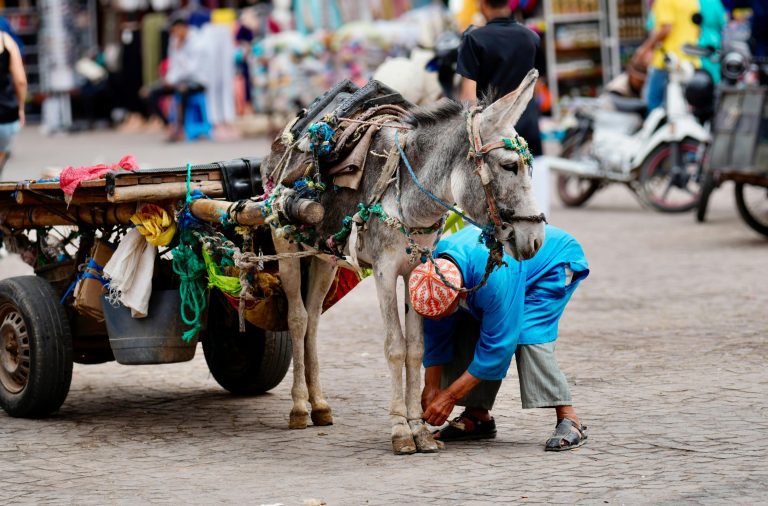
Small town near the Sahara with simple streets, nearby palm oases and old forts, a big date market, donkey carts and local traders, mud-brick houses, and open views that turn orange in the evening.
Tangier
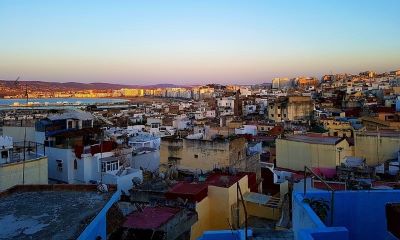
Port city where Atlantic and Mediterranean meet, white medina streets, hilltop kasbah walls, local cafés serving mint tea, mix of Spanish and Moroccan buildings, busy market alleys, and sunsets lighting up the skyline.
Merzouga
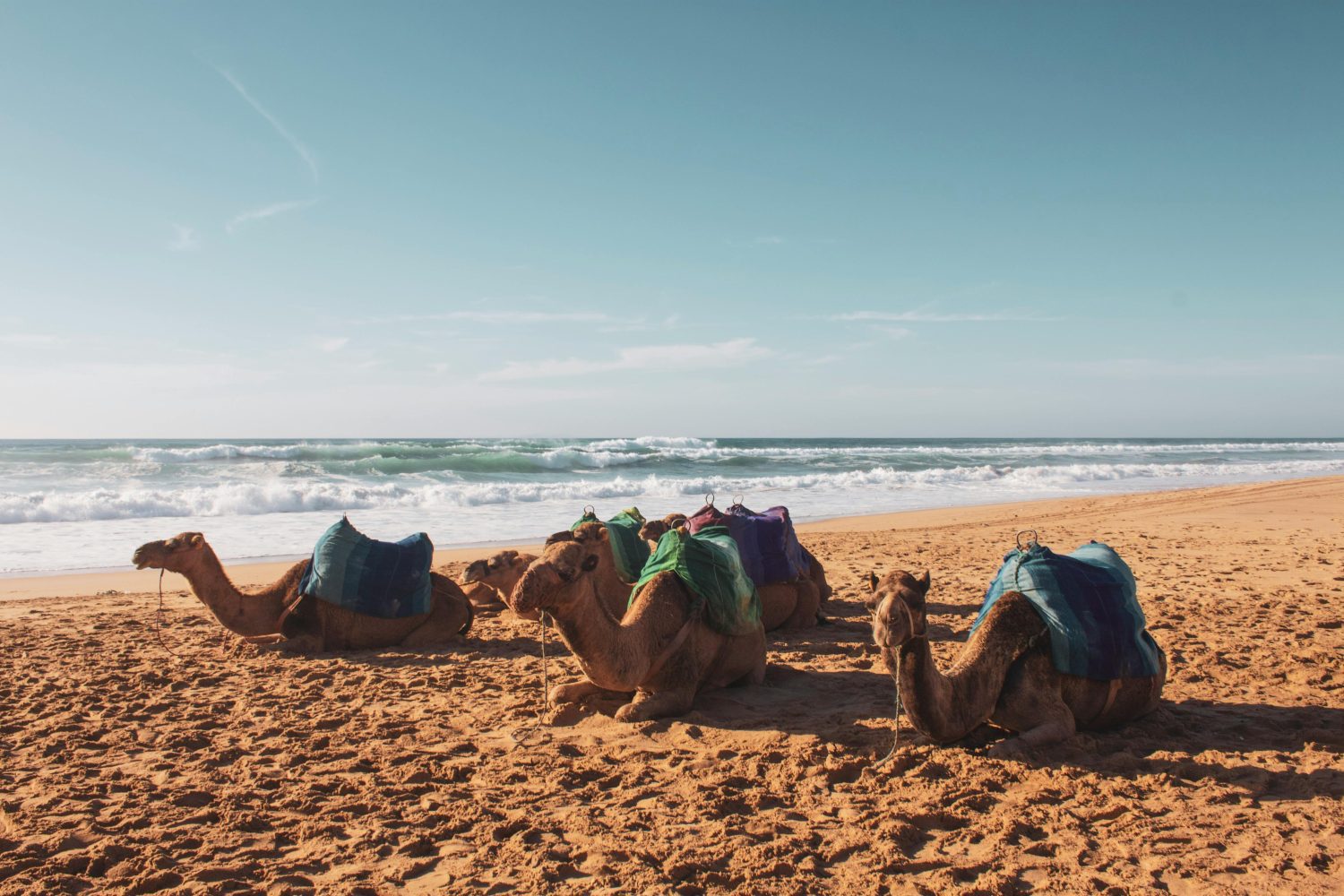
Village next to the Erg Chebbi sand dunes, camel rides into the desert, clear night skies full of stars, small hotels and desert camps, local music around the fire, and sunrise changing the dunes’ color.
Recommended Travel Seasons
Seasons in Morocco
Marrakesh’s prime seasons are spring (March–May) and fall (September–November), bringing warm, sunny days—ideal for city exploring, desert journeys, and coastal breezes. Summer can be very hot inland around Marrakesh and the Sahara, while Atlantic towns like Essaouira stay cooler and windy. Winter is mild in most cities, with chilly nights in the desert and snow possible in the Atlas. Here, you can see more about Morocco’s highlights, routes, and seasonal tips. “best time to visit Morocco“.
Spring (Mar–May)
Mild, colorful, and comfortable—ideal for cities, coast, and light Atlas treks. Sweet spot for pleasant temps and blooming landscapes.
Summer (Jun–Aug)
Hot inland and in the south; cooler with breezes on the Atlantic coast. Beach time is great; plan desert and cities for mornings/evenings.
Autumn (Sep–Nov)
Warm, golden days with the sea still swimmable. Prime for Sahara trips, trekking, and sightseeing without peak heat.
Winter (Dec–Feb)
Mild on the coast, chilly inland, snowy in the High Atlas. Fewer crowds, clear desert skies, and good Atlantic surf.
Exciting activities for every traveler
Useful information for planning your Morocco trip
What language is spoken in Morocco?
Arabic (Darija/Moroccan Arabic) and Amazigh (Berber) are the official languages. French is widely used in business, menus, and signage; English is increasingly common in major cities and tourist areas. Many guides are multilingual.
What’s the currency of Morocco?
The Moroccan dirham (MAD). ATMs are common in cities and larger towns. Credit cards are accepted at many hotels and riads, but carry cash for souks, small shops, and rural areas.
What food and drink should I try in Morocco?
Start with tagine (slow-cooked stew), couscous on Fridays, and pastilla (sweet–savory pie). Try zaalouk (eggplant salad), harira soup, fresh-squeezed orange juice, mint tea, and pastries like chebakia. In coastal towns, don’t miss grilled sardines and seafood.
How much should I tip in Morocco?
Rounding up is appreciated. In cafés, leave a few dirhams; in restaurants, 5–10% is common if service isn’t included. For guides and drivers, tipping is customary based on service and trip length. Small change helps for porters and hammam attendants.
Can I drink alcohol in Morocco?
Alcohol is available in many hotels, bars, and some restaurants, especially in larger cities and resort areas. It’s not typically served in traditional medina eateries, and public drinking is discouraged. Purchase from licensed shops or hotel bars, and be mindful of local norms.
What should I wear to visit mosques and religious sites?
Most mosques in Marrakesh are not open to non-Muslim visitors (Hassan II Mosque in Casablanca is a notable exception with guided tours). Dress modestly: cover shoulders and knees; bring a light scarf for extra coverage when appropriate.