Live Chat Now
Chat Now
Essaouira
Adventure, Nature & Wor​ld-Class Comfort
Essaouira
Adventure, Nature & Wor​ld-Class Comfort
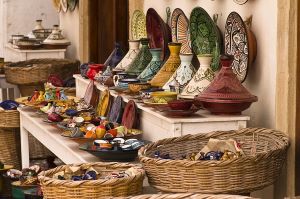
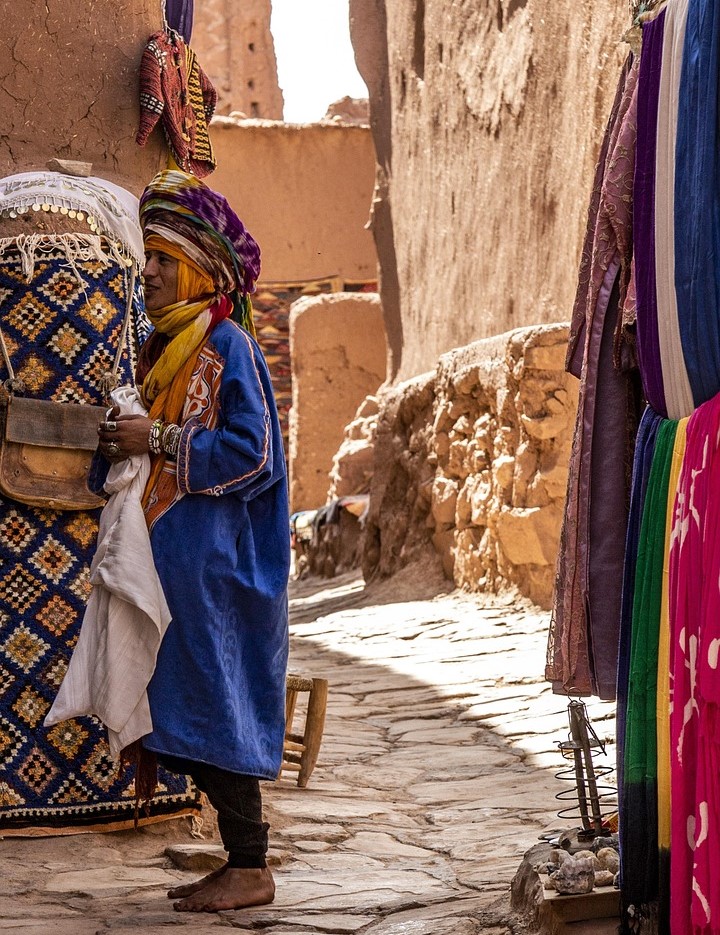
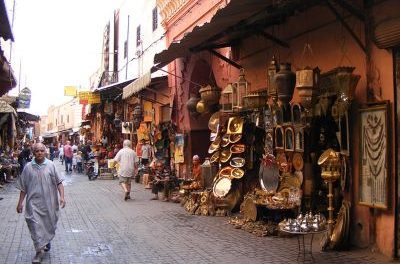
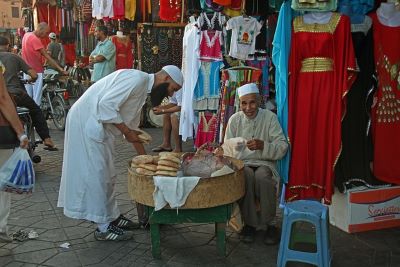
Visit the local markets in Essaouira
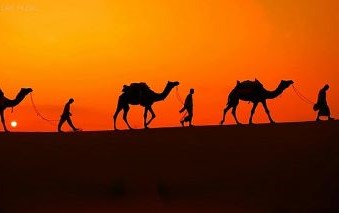
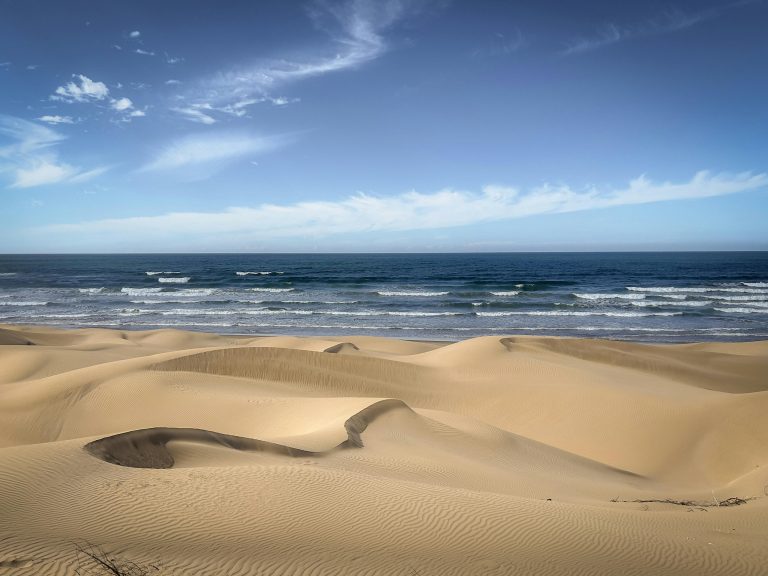
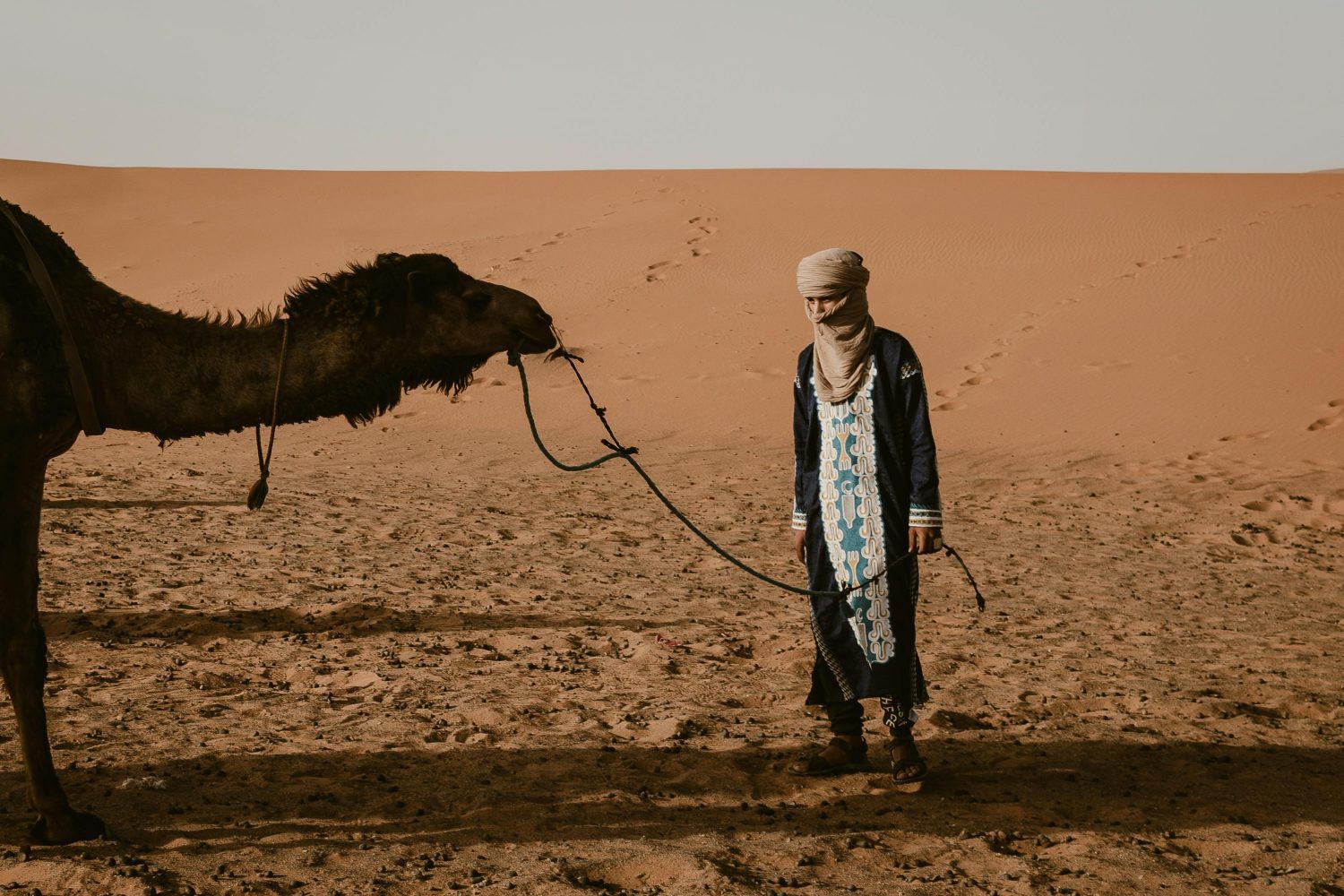
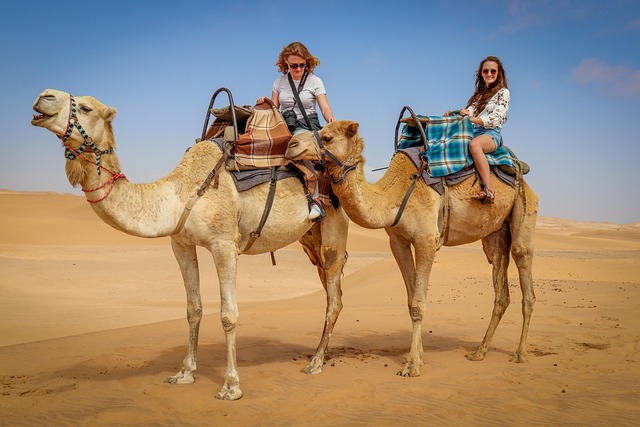
Camel trek in the Sahara Desert
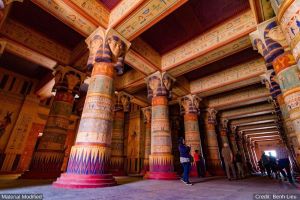
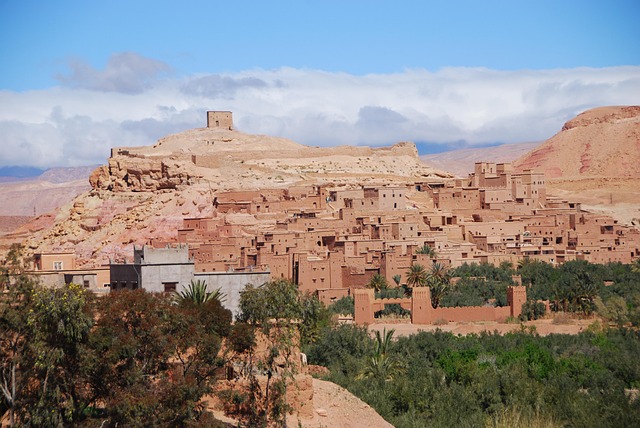
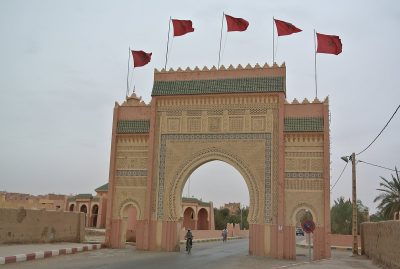
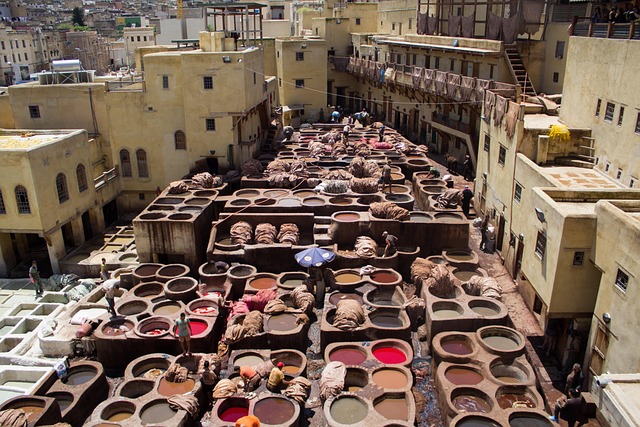
Spectacular architecture in Morocco
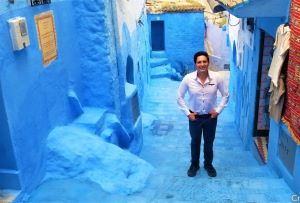
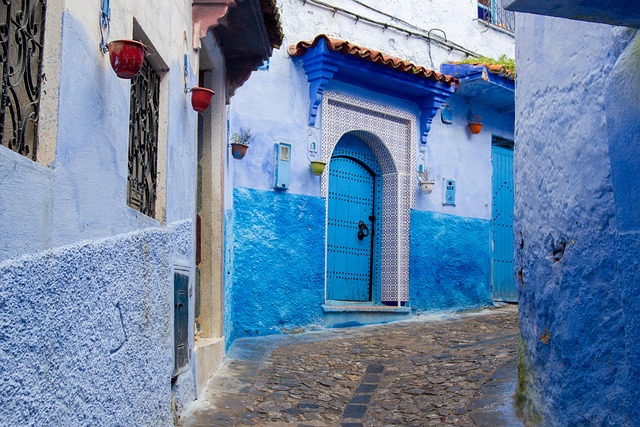
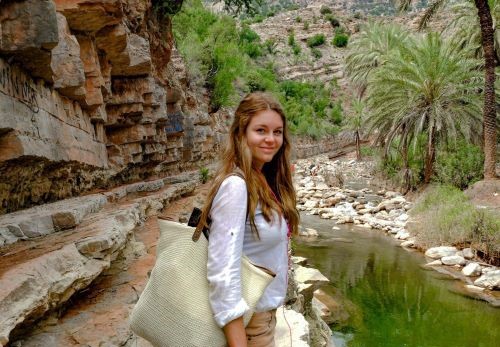
Walking the maze-like Streets in the Blue Village
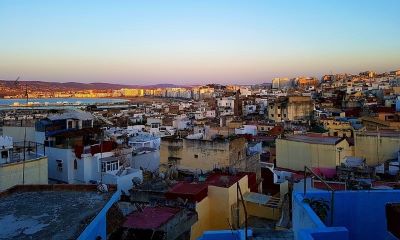
Essaouira - Atlantic breezes meet bohemian charm
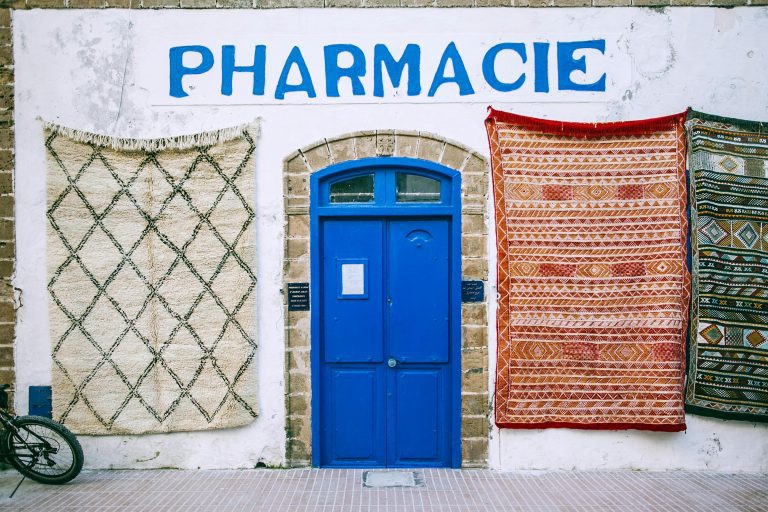
- What makes Essaouira different from Morocco's other coastal towns? Essaouira blends UNESCO-protected medina walls, working fishing port authenticity, and a relaxed, artistic vibe without the party-town atmosphere of Agadir or the urban sprawl of Casablanca. The compact, walkable medina features European-influenced grid streets (easier to navigate than Marrakesh or Fez), whitewashed buildings with blue shutters, art galleries in every corner, and a thriving community of musicians and craftsmen. It's sophisticated yet unpretentious—perfect for travelers seeking culture over nightlife.
- What makes Essaouira appealing for travelers who prefer a quieter, more laid-back atmosphere? Essaouira's compact, walkable medina lacks the overwhelming hustle of Marrakesh—vendors are friendly rather than aggressive, the grid layout prevents getting lost, and the constant ocean breeze keeps temperatures comfortable year-round. The town attracts artists, musicians, and travelers seeking authenticity over nightlife, creating a bohemian yet sophisticated vibe. You can explore at your own pace, linger over long seafood lunches, browse galleries without pressure, and enjoy evening strolls along the beach or ramparts. It's Morocco's most relaxed coastal destination, perfect for unwinding between more intense cultural experiences in Fez or Marrakesh.
- What's the best time of year to visit Essaouira? Year-round, Essaouira enjoys Morocco's mildest climate thanks to constant Atlantic breezes—locals call it "Windy City Africa." Spring (March–May) and autumn (September–November) offer the warmest, calmest conditions for beach walks and outdoor dining. Summer (June–August) brings strong winds beloved by windsurfers but can feel brisk; bring a light jacket for evenings. Winter (December–February) is mild and uncrowded, though ocean swimming is chilly.
- What type of accommodation suits travelers looking for comfort and character? Essaouira's medina riads and guesthouses offer intimate, boutique experiences—many are renovated merchant houses with rooftop terraces overlooking the ocean, attentive owner-hosts, and included breakfasts featuring fresh-squeezed orange juice and Moroccan pastries. Unlike Marrakesh or Fez, most medina properties are easily accessible by car or short walk from parking areas. For resort-style amenities—pools, spas, beachfront access—several upscale hotels sit just outside the medina walls.
- Is Essaouira's dining scene sophisticated enough for discerning palates? Absolutely. The fishing port delivers the freshest seafood in Morocco—grilled sardines, sea bass, prawns, and calamari prepared simply to highlight quality. Upscale restaurants blend Moroccan and Mediterranean influences, while the port's open-air grills offer authentic, no-frills experiences where you select your catch and watch it cooked. Wine is more readily available here than in other Moroccan cities, and several establishments offer thoughtful pairings. The pace is unhurried, with long lunches and candlelit dinners the norm.
- Is Essaouira suitable as a relaxing break between visiting Morocco's busier imperial cities? Absolutely. After the sensory intensity of Marrakesh or Fez, Essaouira offers a welcome change of pace—ocean breezes, a compact medina you can navigate easily, and a laid-back vibe that encourages leisurely exploration. Spend mornings browsing galleries and craft shops, enjoy long seafood lunches overlooking the port, and take sunset walks along the ramparts or beach. The town's relaxed rhythm, comfortable temperatures, and sophisticated-yet-casual atmosphere make it an ideal palate cleanser between more demanding cultural experiences.
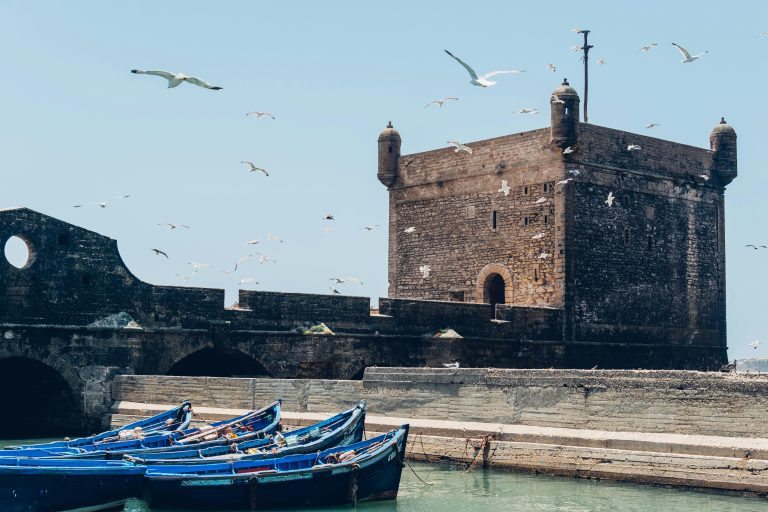
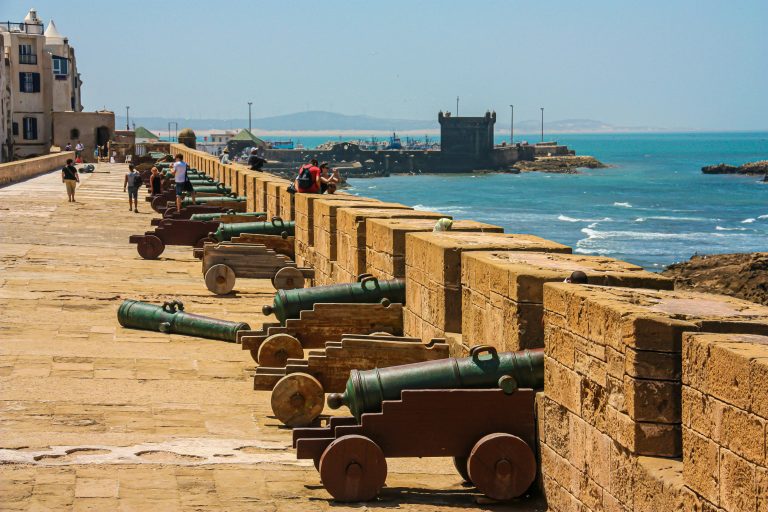
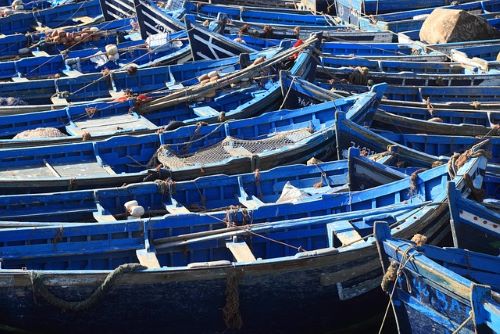
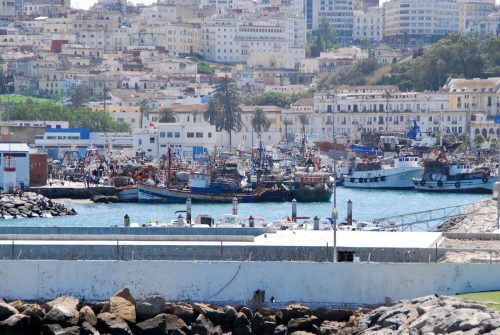
Essaouira offers a refreshing counterpoint to Morocco’s imperial cities—a place where ocean winds temper the heat, artistic energy replaces medina chaos, and the pace slows to match the rhythm of fishing boats returning with the day’s catch. The UNESCO-protected medina unfolds in an orderly grid of whitewashed lanes, where galleries showcase contemporary Moroccan art, woodworkers craft intricate thuya boxes, and the scent of grilled sardines drifts from the port. Walk the 18th-century ramparts where Orson Welles filmed “Othello” and cannons still point toward the Atlantic, then descend to the Skala de la Ville for sunset views over the ÃŽles Purpuraires. The fishing port pulses with morning energy as blue boats unload their catch while seagulls wheel overhead, and by afternoon the scene shifts to open-air grills where you select your seafood and dine at communal tables steps from the waves.
Beyond the medina’s charm, Essaouira delivers comfort without pretension. Boutique riads welcome you with rooftop terraces perfect for morning coffee or evening wine, while beachfront hotels offer pools, spa treatments, and direct access to the wide, sandy shore. The dining scene balances authenticity with sophistication—grilled fish at the port, refined Moroccan-Mediterranean fusion in candlelit courtyards, and wine lists that reflect Morocco’s emerging viticulture. Evenings bring live Gnaoua music in intimate venues, unhurried strolls along the beach as the sun sets over the Atlantic, and the kind of relaxed atmosphere that invites you to linger over dessert and mint tea. Whether you’re browsing galleries, watching craftsmen inlay thuya wood with mother-of-pearl, or simply absorbing the town’s bohemian-meets-traditional vibe, Essaouira offers a sophisticated, culturally rich experience for travelers who value authenticity, quality, and a slower pace.
Morocco in pictures
Suggested Morocco Tour
$544 a month for 6 months, 0% interest (ask for details)
Dates & availability for the next 12 months: any date w/ 7-day notice (some exceptions are made). Over 50s Guided Luxury Tour to Morocco
Featured on
Popular places to visit in Morocco
Marrakesh
Maze-like souks, Jemaa el-Fnaa performers, palaces and gardens, artisan quarters, historic mosques, designer boutiques, rooftop views, and timeless medina energy.
Essaouira
UNESCO seaside medina with ramparts, cannons, fishing port, art galleries, breezy beach walks, European-influenced grid streets, and relaxed coastal cafes.
Ouarzazate
Gateway city with Atlas film studios and cinema museum, desert architecture, palm groves, kasbah heritage, and cinematic landscapes stretching toward the Sahara.
Fez
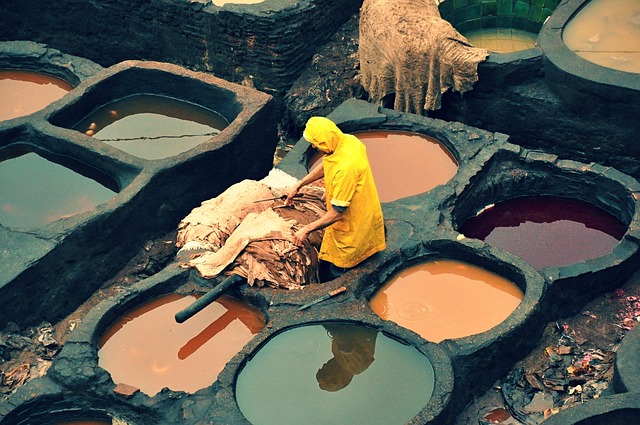
Living medieval medina with tanneries, madrasas, artisans pounding brass, historic gates, panoramic tomb viewpoints, and dinner hosted in a local home.
Chefchaouen
Blue-washed alleys, mountain backdrops, stair-step lanes, photogenic doorways, relaxed plazas, artisan shops, and golden-hour light that glows on indigo walls.
Casablanca
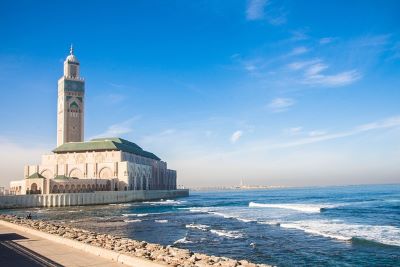
Oceanfront Hassan II Mosque tours reveal soaring minaret, intricate craftsmanship, Atlantic views, and a modern urban counterpoint to Essaouira’s ancient medinas.
Rissani
Small town near the Sahara with simple streets, nearby palm oases and old forts, a big date market, donkey carts and local traders, mud-brick houses, and open views that turn orange in the evening.
Tangier
Port city where Atlantic and Mediterranean meet, white medina streets, hilltop kasbah walls, local cafés serving mint tea, mix of Spanish and Moroccan buildings, busy market alleys, and sunsets lighting up the skyline.
Merzouga
Village next to the Erg Chebbi sand dunes, camel rides into the desert, clear night skies full of stars, small hotels and desert camps, local music around the fire, and sunrise changing the dunes’ color.
Recommended Travel Seasons
Seasons in Morocco
Morocco’s prime seasons are spring (March–May) and fall (September–November), bringing warm, sunny days—ideal for city exploring, desert journeys, and coastal breezes. Summer can be very hot inland around Marrakesh and the Sahara, while Atlantic towns like Essaouira stay cooler and windy. Winter is mild in most cities, with chilly nights in the desert and snow possible in the Atlas. Here, you can see more about Morocco’s highlights, routes, and seasonal tips. “best time to visit Morocco“.
Spring (Mar–May)
Mild, colorful, and comfortable—ideal for cities, coast, and light Atlas treks. Sweet spot for pleasant temps and blooming landscapes.
Summer (Jun–Aug)
Hot inland and in the south; cooler with breezes on the Atlantic coast. Beach time is great; plan desert and cities for mornings/evenings.
Autumn (Sep–Nov)
Warm, golden days with the sea still swimmable. Prime for Sahara trips, trekking, and sightseeing without peak heat.
Winter (Dec–Feb)
Mild on the coast, chilly inland, snowy in the High Atlas. Fewer crowds, clear desert skies, and good Atlantic surf.
Exciting Moroccan activities for every traveler
Useful information for planning your Morocco trip
What language is spoken in Morocco?
Arabic (Darija/Essaouira Arabic) and Amazigh (Berber) are the official languages. French is widely used in business, menus, and signage; English is increasingly common in major cities and tourist areas. Many guides are multilingual.
What’s the currency of Morocco?
The Moroccan dirham (MAD). ATMs are common in cities and larger towns. Credit cards are accepted at many hotels and riads, but carry cash for souks, small shops, and rural areas.
What food and drink should I try in Morocco?
Start with tagine (slow-cooked stew), couscous on Fridays, and pastilla (sweet–savory pie). Try zaalouk (eggplant salad), harira soup, fresh-squeezed orange juice, mint tea, and pastries like chebakia. In coastal towns, don’t miss grilled sardines and seafood.
Â
How much should I tip in Morocco?
Rounding up is appreciated. In cafés, leave a few dirhams; in restaurants, 5–10% is common if service isn’t included. For guides and drivers, tipping is customary based on service and trip length. Small change helps for porters and hammam attendants.
Can I drink alcohol in Morocco?
Alcohol is available in many hotels, bars, and some restaurants, especially in larger cities and resort areas. It’s not typically served in traditional medina eateries, and public drinking is discouraged. Purchase from licensed shops or hotel bars, and be mindful of local norms.
What should I wear to visit mosques and religious sites?
Most mosques in Morocco are not open to non-Muslim visitors (Hassan II Mosque in Casablanca is a notable exception with guided tours). Dress modestly: cover shoulders and knees; bring a light scarf for extra coverage when appropriate.
Â