Live Chat Now
Chat Now
Fez
Adventure, Nature & Wor​ld-Class Comfort
Fez
Adventure, Nature & Wor​ld-Class Comfort
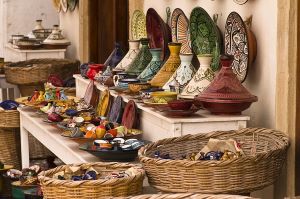
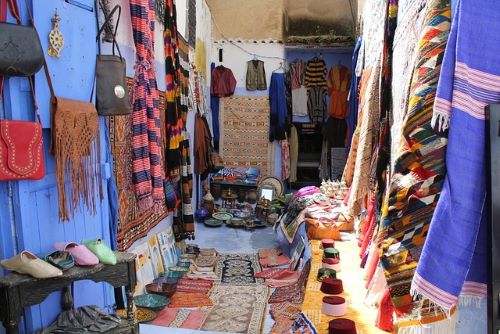
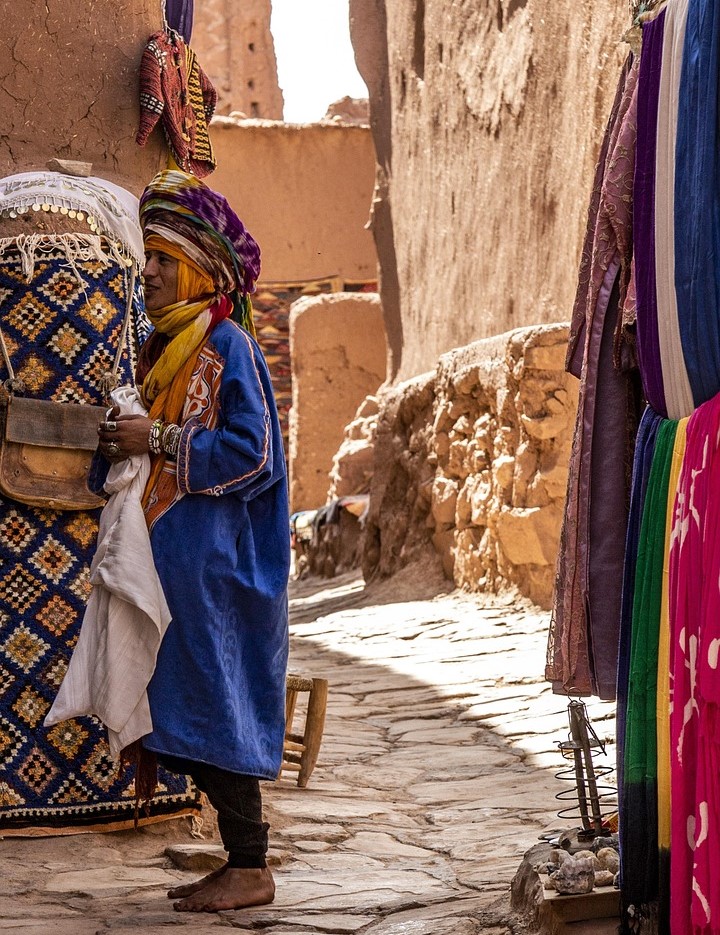
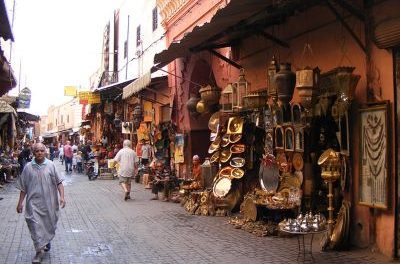
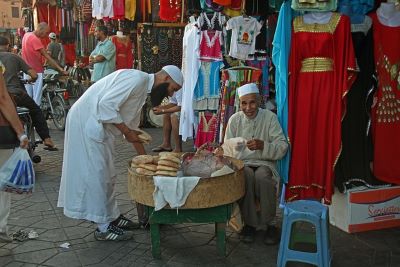
Visit the local markets in Fez
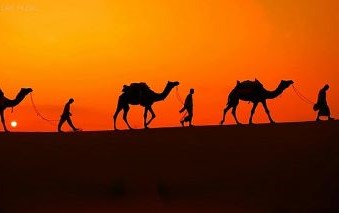
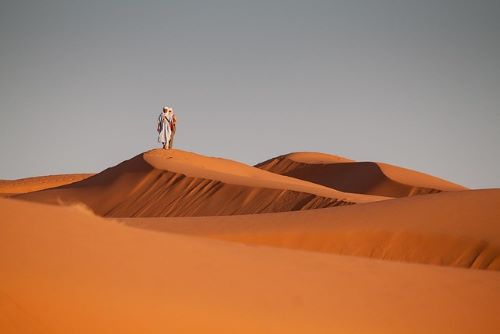
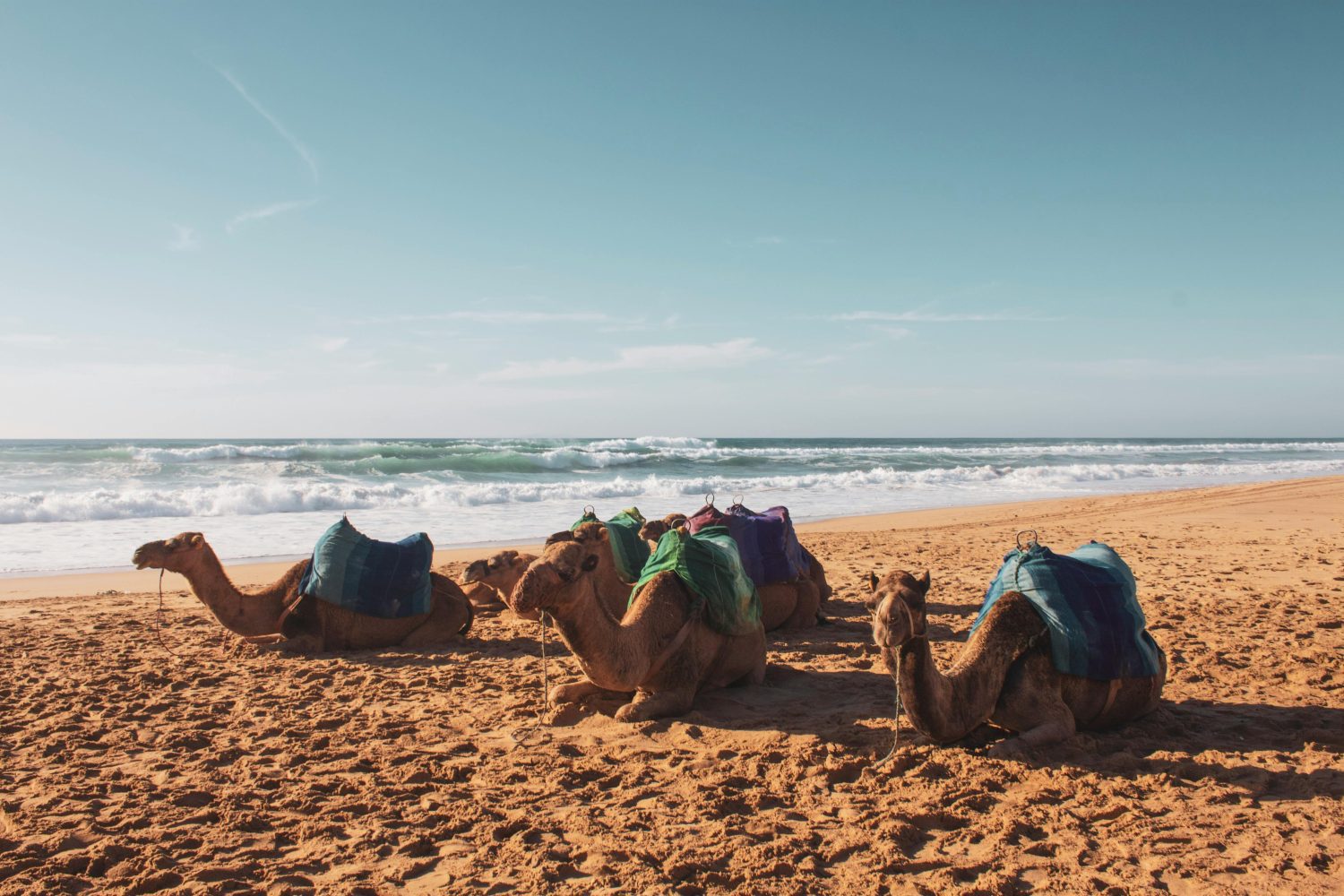
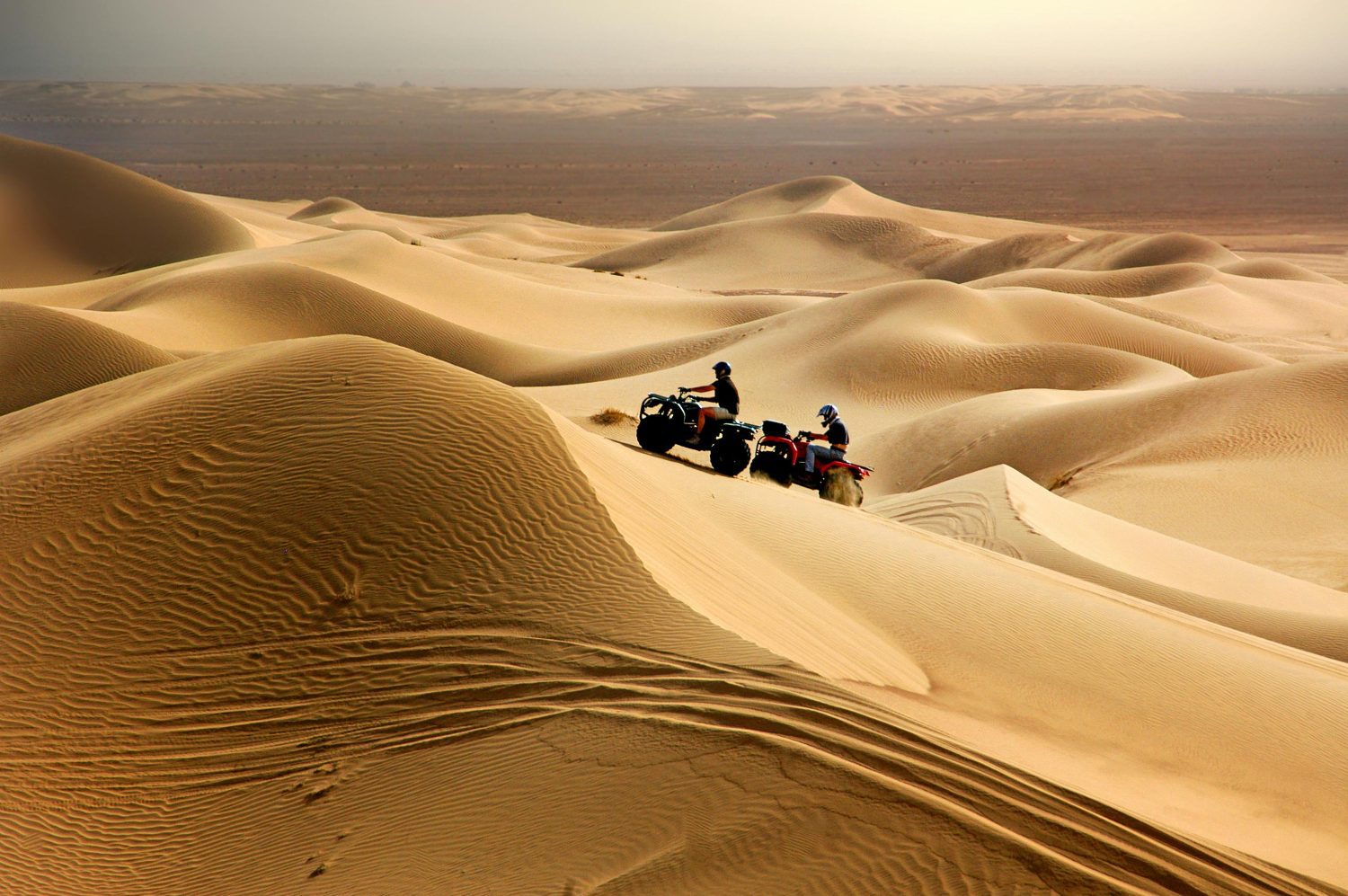
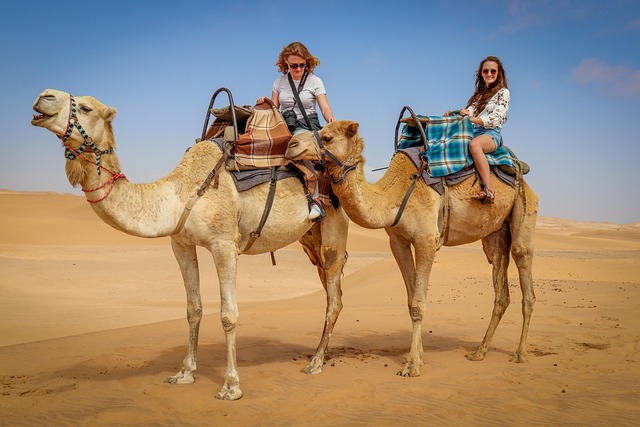
Camel trek in the Sahara Desert
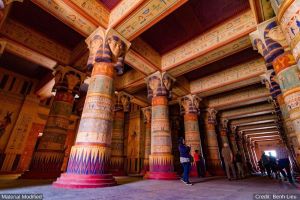
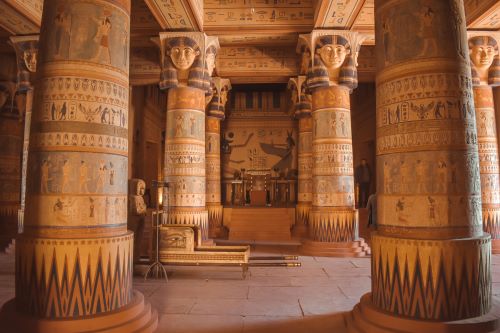
Spectacular architecture in Fez
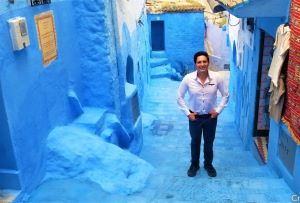
Walking the maze-like Streets in the Blue Village
Fez - medieval medina meets timeless craftsmanship
- What's the best time of year to visit Fez for comfortable weather? Spring (March–May) and autumn (September–November) deliver warm, sunny days and cool evenings perfect for medina exploration, rooftop dining, and day trips to nearby sites. Winter (December–February) can be surprisingly cold, especially in shaded alleyways and unheated historic buildings—bring layers. Summer (June–August) brings intense heat; if visiting then, plan early-morning and late-afternoon excursions with leisurely lunch breaks in air-conditioned riads or cafés.
- Which attractions are best for a one-day visit to Fez? For a one-day visit to Fez, focus on the highlights of Fez el-Bali. Wander the medina’s narrow streets to see the famous madrasas, tanneries, and artisan quarters, and browse the vibrant souks. Take a short stroll to the Jewish Quarter (Mellah) and enjoy a panoramic viewpoint of the city. Plan for a leisurely lunch or tea in a traditional riad to rest between sights. This route gives a full sense of Fez in just one day
- Is it worth hiring a private guide, or can I explore Fez independently? A knowledgeable guide transforms the experience. Fez el-Bali is a maze of 9,000+ alleyways with few signs; guides unlock hidden courtyards, explain centuries of history, introduce you to master artisans, and handle souk negotiations. They also time visits to avoid crowds and know which workshops welcome visitors. Independent exploration is possible but can be frustrating and you'll miss the deeper stories behind what you're seeing.
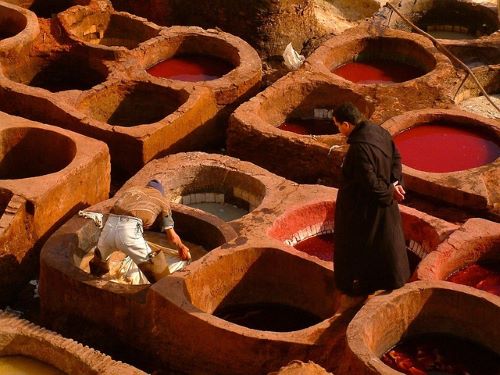
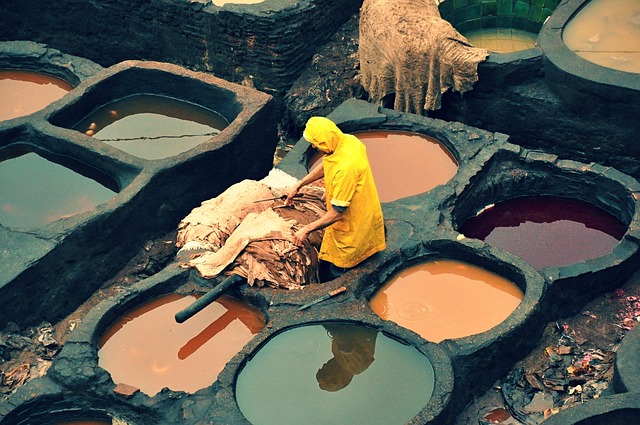
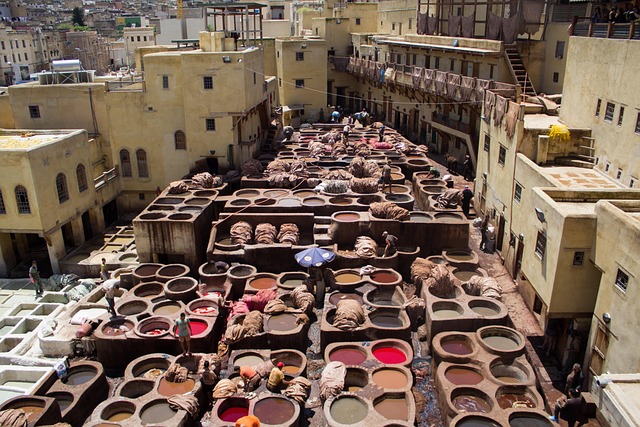
- What should I expect when visiting the famous Chouara Tannery? You'll view the iconic dye pits from elevated leather shop terraces overlooking the tannery floor. The smell is strong—guides offer fresh mint sprigs—but the sight of workers standing in centuries-old stone vats filled with vibrant dyes is unforgettable. Visits last 15–20 minutes, and guides explain the traditional process. Afterward, you're welcome to browse finished leather goods in the shop, though there's no pressure to buy
- What type of accommodation works best in Fez—medina riad or modern hotel? Traditional riads inside the medina offer authentic charm: carved cedar ceilings, mosaic courtyards, rooftop terraces, and home-cooked Fassi cuisine. Access requires walking through narrow lanes (porters handle luggage), and most lack elevators. For contemporary amenities—pools, spas, fitness centers, parking—upscale hotels in the Ville Nouvelle are a short taxi ride from medina gates. Many travelers choose riads for the immersive experience and appreciate the attentive, personalized service.
- What are the must-see attractions in Fez for a first-time visitor? Start with the Bou Inania Madrasa for breathtaking tilework and carved stucco, then the Al-Attarine Madrasa for intimate courtyard beauty. Visit the Chouara Tannery from above, explore the Nejjarine Museum of Wooden Arts & Crafts, and wander the artisan quarters where woodworkers, metalworkers, and weavers practice centuries-old crafts. Walk through sections of the spice and textile souks, visit the Kairaouine Mosque complex (exterior and courtyard), and end at a panoramic viewpoint—Merenid Tombs or Borj Nord—for sunset over the medina's sea of rooftops.
Fez preserves Morocco’s medieval soul more completely than any other city—a living museum where artisans still hammer brass in dim workshops, scholars study in centuries-old madrasas, and the call to prayer echoes through alleyways unchanged since the Middle Ages. Your expert guide unlocks this labyrinth, leading you past donkeys laden with goods, under carved cedar archways, and into hidden courtyards where fountain mosaics glitter in dappled light. The Bou Inania and Al-Attarine madrasas reveal Morocco’s finest zellige tilework and calligraphy, while the Chouara Tannery’s rainbow dye pits—viewed from a safe, elevated terrace—offer a glimpse into leather-making traditions that date back a millennium. Wander the spice souks where saffron, cumin, and ras el hanout perfume the air, then watch master craftsmen carve intricate geometric patterns into cedarwood and weave silk on wooden looms.
Beyond the medina’s intensity, Fez offers moments of calm and refinement. Traditional riads welcome you into tranquil courtyards with hand-painted tiles, rooftop terraces for mint tea at sunset, and home-cooked meals that showcase Fassi culinary heritage—pigeon pastilla, slow-cooked tagines, honey-drizzled pastries. Modern hotels in the Ville Nouvelle provide contemporary comfort—air conditioning, elevators, spa facilities—while keeping you a short drive from the medina’s heartbeat. Your guide orchestrates every detail: private transport between sites, well-timed breaks in shaded cafés, and insider access to artisan workshops where you can shop without pressure. Whether you’re dining in a local family’s home, watching the sun set over a thousand-year-old skyline, or simply absorbing the rhythm of a city that has remained remarkably true to itself, Fez delivers a deeply authentic Moroccan experience tailored for travelers who appreciate history, craftsmanship, and thoughtful pacing.

Morocco in pictures
Ready to Explore Morocco?
Experience the best of Fez with insider knowledge
Suggested Morocco Tour
$544 a month for 6 months, 0% interest (ask for details)
Dates & availability for the next 12 months: any date w/ 7-day notice (some exceptions are made). Luxury Guided Tour to Morocco for over 50s
Featured on
Popular places to visit in Morocco
Marrakesh
Maze-like souks, Jemaa el-Fnaa performers, palaces and gardens, artisan quarters, historic mosques, designer boutiques, rooftop views, and timeless medina energy.
Essaouira
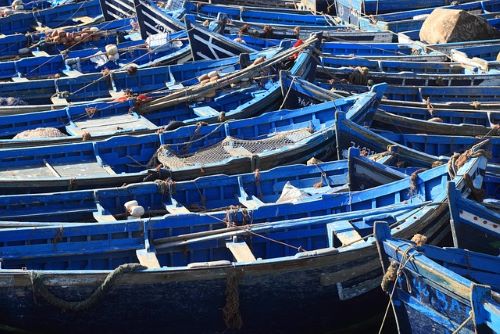
UNESCO seaside medina with ramparts, cannons, fishing port, art galleries, breezy beach walks, European-influenced grid streets, and relaxed coastal cafes.
Ouarzazate
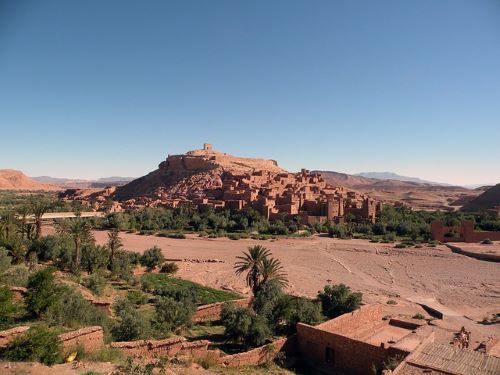
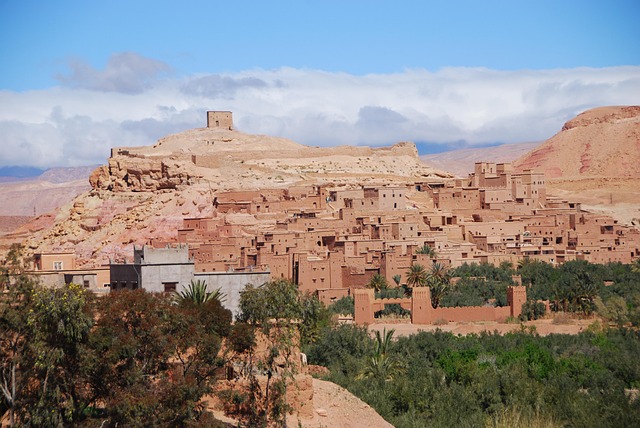
Gateway city with Atlas film studios and cinema museum, desert architecture, palm groves, kasbah heritage, and cinematic landscapes stretching toward the Sahara.
Fez
Living medieval medina with tanneries, madrasas, artisans pounding brass, historic gates, panoramic tomb viewpoints, and dinner hosted in a local home.
Chefchaouen
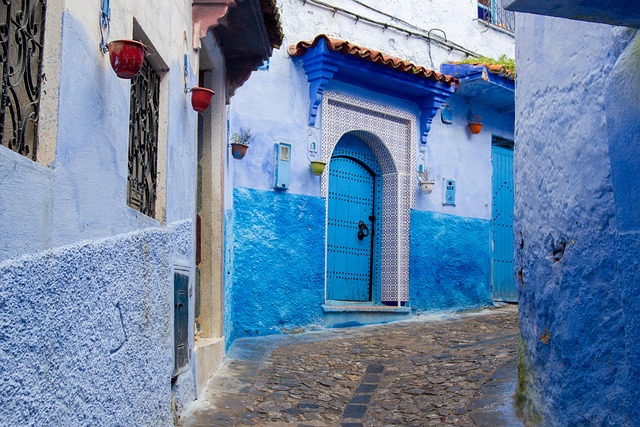
Blue-washed alleys, mountain backdrops, stair-step lanes, photogenic doorways, relaxed plazas, artisan shops, and golden-hour light that glows on indigo walls.
- View more about Chefchaouen
Casablanca
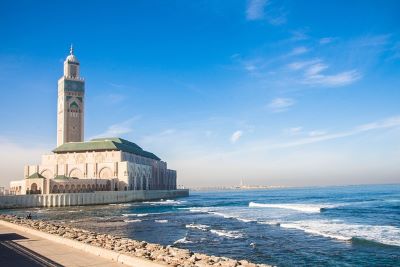
Oceanfront Hassan II Mosque tours reveal soaring minaret, intricate craftsmanship, Atlantic views, and a modern urban counterpoint to Fez’s ancient medinas.
Rissani
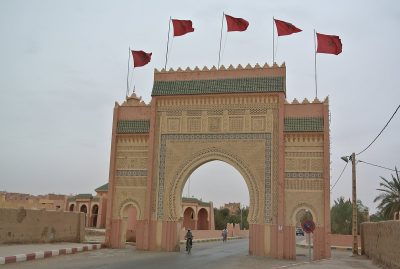
Small town near the Sahara with simple streets, nearby palm oases and old forts, a big date market, donkey carts and local traders, mud-brick houses, and open views that turn orange in the evening.

Tangier
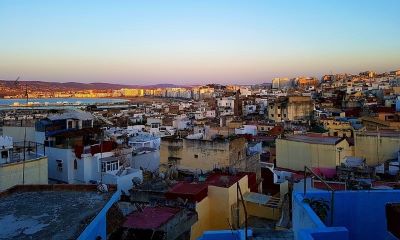
Port city where Atlantic and Mediterranean meet, white medina streets, hilltop kasbah walls, local cafés serving mint tea, mix of Spanish and Moroccan buildings, busy market alleys, and sunsets lighting up the skyline.
Merzouga
Village next to the Erg Chebbi sand dunes, camel rides into the desert, clear night skies full of stars, small hotels and desert camps, local music around the fire, and sunrise changing the dunes’ color.
Recommended Travel Seasons
Seasons in Fez
Morocco’s prime seasons are spring (March–May) and fall (September–November), bringing warm, sunny days—ideal for city exploring, desert journeys, and coastal breezes. Summer can be very hot inland around Marrakesh and the Sahara, while Atlantic towns like Essaouira stay cooler and windy. Winter is mild in most cities, with chilly nights in the desert and snow possible in the Atlas. Here, you can see more about Morocco’s highlights, routes, and seasonal tips. “best time to visit Morocco“.
Spring (Mar–May)
Mild, colorful, and comfortable—ideal for cities, coast, and light Atlas treks. Sweet spot for pleasant temps and blooming landscapes.
Summer (Jun–Aug)
Hot inland and in the south; cooler with breezes on the Atlantic coast. Beach time is great; plan desert and cities for mornings/evenings.
Autumn (Sep–Nov)
Warm, golden days with the sea still swimmable. Prime for Sahara trips, trekking, and sightseeing without peak heat.
Winter (Dec–Feb)
Mild on the coast, chilly inland, snowy in the High Atlas. Fewer crowds, clear desert skies, and good Atlantic surf.
Exciting activities for every traveler
Useful information for planning your Morocco trip
What language is spoken in Morocco?
Arabic (Darija/Moroccan Arabic) and Amazigh (Berber) are the official languages. French is widely used in business, menus, and signage; English is increasingly common in major cities and tourist areas. Many guides are multilingual.
What’s the currency of Morocco?
The Moroccan dirham (MAD). ATMs are common in cities and larger towns. Credit cards are accepted at many hotels and riads, but carry cash for souks, small shops, and rural areas.
What food and drink should I try in Morocco?
Start with tagine (slow-cooked stew), couscous on Fridays, and pastilla (sweet–savory pie). Try zaalouk (eggplant salad), harira soup, fresh-squeezed orange juice, mint tea, and pastries like chebakia. In coastal towns, don’t miss grilled sardines and seafood.
Â
How much should I tip in Morocco?
Rounding up is appreciated. In cafés, leave a few dirhams; in restaurants, 5–10% is common if service isn’t included. For guides and drivers, tipping is customary based on service and trip length. Small change helps for porters and hammam attendants.
Can I drink alcohol in Morocco?
Alcohol is available in many hotels, bars, and some restaurants, especially in larger cities and resort areas. It’s not typically served in traditional medina eateries, and public drinking is discouraged. Purchase from licensed shops or hotel bars, and be mindful of local norms.
What should I wear to visit mosques and religious sites?
Most mosques in Fez are not open to non-Muslim visitors (Hassan II Mosque in Casablanca is a notable exception with guided tours). Dress modestly: cover shoulders and knees; bring a light scarf for extra coverage when appropriate.
Â