
Live Chat Now
Chat Now
Hiking in Costa Rica
Adventure, Nature & World-Class Comfort
Hiking in Costa Rica
Adventure, Nature & World-Class Comfort
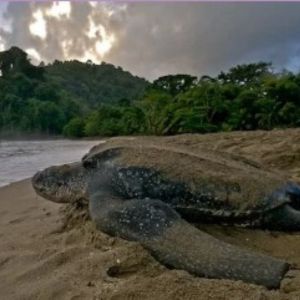
Spot leatherback turtles nesting on Tamarindo’s beaches
Bathe in natural hot springs near Arenal Volcano in La Fortuna
Discover Baird’s tapirs in the dense jungles of Corcovado National Park
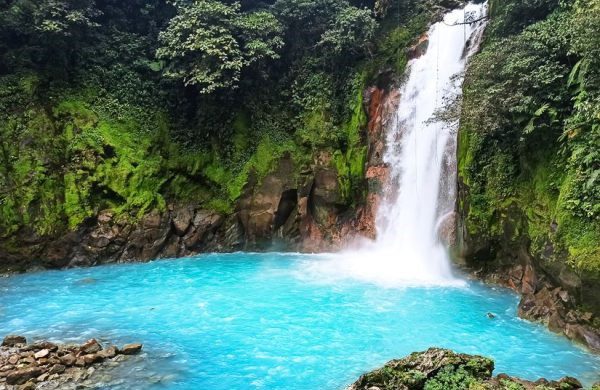
Swim at La Fortuna Waterfall amid tropical rainforest scenery
Hiking experience in Costa Rica
- What are the best places to hike in Costa Rica with luxury-level comfort nearby? Arenal (lava fields, hanging bridges), Monteverde (cloud forest reserves), Manuel Antonio (short rainforest–beach trails), and Poás/Irazú (crater lookouts) are top picks. Each has upscale lodges, private guides, and seamless transfers.
- How hard are the hikes, and can they be tailored? Most luxury itineraries offer easy-to-moderate hikes (1–3 hours, gentle grades). Routes are customizable—choose short scenic loops, longer ridge walks, or private early-access outings for fewer crowds and better wildlife viewing.
- What is the best season for hiking and visibility? Dry season (Dec–Apr) offers more sun and stable trails; Jan–Mar is prime for volcano views. Shoulder months (May, Nov) are excellent for fewer crowds and lush greenery with early-morning hikes before afternoon showers.
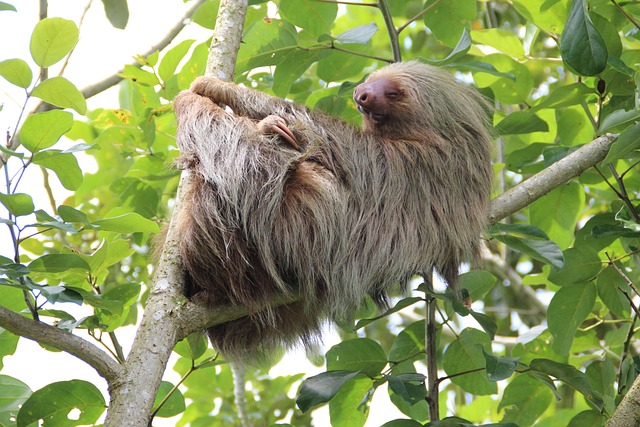
- Will I see wildlife while hiking? Very likely. Expect sloths, monkeys, toucans, macaws, hummingbirds, frogs, and butterflies on rainforest and cloud-forest trails. Luxury tours pair you with naturalist guides carrying scopes for close-up viewing and photography.
- What gear should I bring, and what can my operator provide? Pack breathable hiking shoes with tread, quick-dry clothing, light rain jacket, hat, sunscreen, insect repellent, and a 1–2L water bottle. Many luxury operators supply daypacks, trekking poles, ponchos, snacks, and chilled towels in the vehicle.
- Are volcano hikes safe given activity and altitude? Yes—routes open only when conditions are safe. Operators monitor park alerts and air quality, adjust timing for altitude (Poás/Irazú are cooler and higher), and switch to backup experiences (e.g., hanging bridges, waterfalls) if visibility or activity is poor.
- How do luxury tours handle logistics and comfort on hike days? Private transfers, timed trail entries, early starts, and curated routes reduce crowds and heat. Your guide manages permits, weather checks, and pace, with post-hike amenities—cold drinks, gourmet picnics, spa time, or a chef’s table dinner.List Item
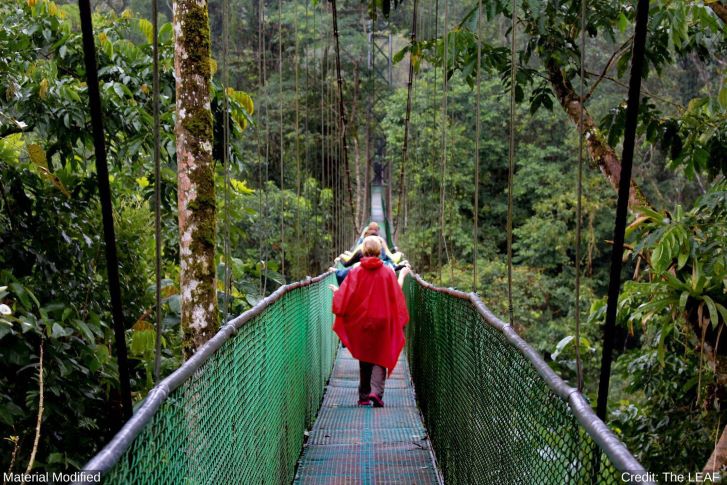
Costa Rica’s luxury hiking blends iconic scenery with polished logistics: private naturalist guides, early trail access, and premium lodges minutes from trailheads. In Arenal, lava fields and canopy bridges deliver volcano vistas and rainforest biodiversity without technical terrain. Monteverde’s cloud forest offers misty ridgelines, orchids, and birdlife, while Manuel Antonio combines easy rainforest paths with white-sand coves. On clear mornings, Poás or Irazú add dramatic crater lookouts and highland panoramas—all easily woven into a high-comfort itinerary.
Operators fine-tune distance, elevation, and start times around your preferences, weather, and wildlife activity. Expect door-to-trail transfers, pre-arranged permits, and thoughtful touches—scope-assisted wildlife viewing, gourmet trail snacks, chilled towels, and spa or hot-springs recovery afterward. With the right shoes and light layers, you’ll enjoy curated, crowd-avoiding hikes that showcase Costa Rica’s volcanoes and jungles—wrapped in the service, flexibility, and comfort that define a true luxury tour.
Costa Rica in pictures
Ready to go hiking in Costa Rica?
Experience the best jungle and volcano hiking in Costa Rica
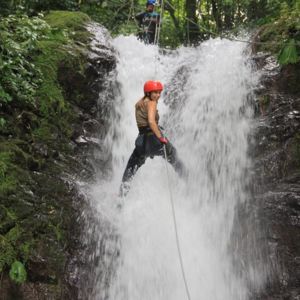
Suggested Costa Rica Tour, including rappelling
$622 a month for 6 months, 0% interest (ask for details)
Featured on
Dates & availability for the next 12 months: any date w/ 7-day notice (some exceptions are made). Over 50s Luxury Costa Rica guided tour.
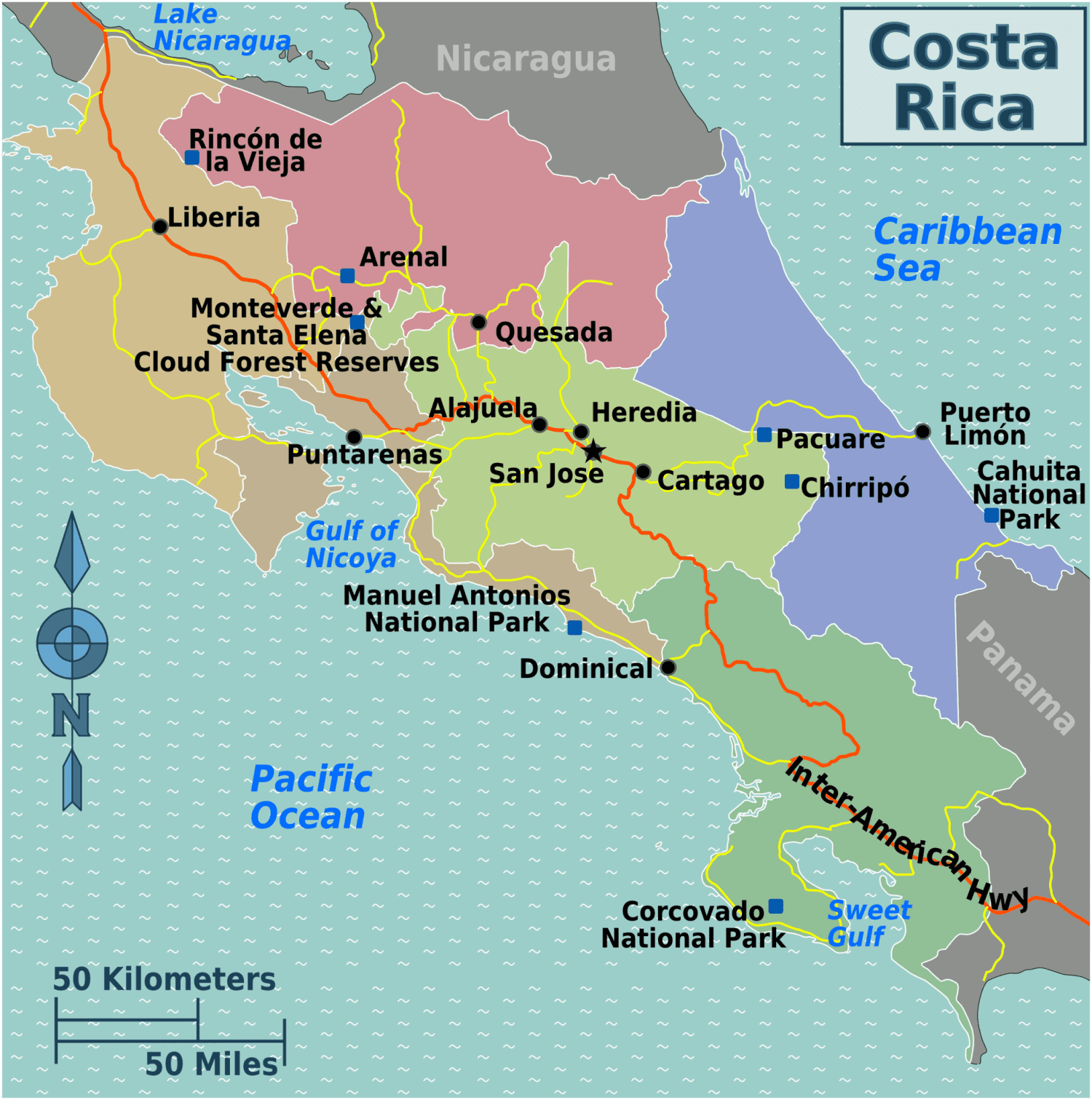
Popular places to visit in Costa Rica
Poas Volcano National Park
Join Charlie on a guided hike through the lush primary forest surrounding Cerro Chato, Arenal Volcano’s “older brother.”
Tamarindo
Tamarindo: Pacific beach town, surfing, sunsets, lively bars, tourist-friendly hub on Costa Rica’s Gold Coast.
Monteverede Cloud Forest
Spot tropical birds, take in the and experience the calm rhythm of nature from your kayak — a true Costa Rican highlight.
- View more details
Manual Antonio
Surrounded by rainforest, this private sanctuary offers the perfect blend of relaxation, and authentic Costa Rican.
San Jose
San José: Busy inland capital, museums and markets; gateway city, not a main beach destination.
- View more details
Recommended Travel Seasons
Best time to go to Costa Rica
Costa Rica is welcoming year-round; the best time depends on comfort, crowds, and interests.
December to April (Pacific dry season): Sunniest on the Pacific—ideal for beaches, volcano viewpoints, hanging bridges, and wildlife walks. Peak demand and prices; pre-book popular parks, guides, and hotels.
May to June (Early shoulder): Sun with light afternoon showers, greener scenery, fewer crowds, better value. Great for morning hikes, waterfalls, and cloud-forest birding.
September to November (Rainiest on Pacific/highlands): Frequent afternoon/evening showers; schedule outdoor activities early. Lean into hot springs, spas, chocolate/coffee tours, and cooking classes. Budget-friendlier rates.
September to October (Caribbean sweet spot): Often the driest, clearest window on the Caribbean (Tortuguero, Puerto Viejo)—prime for beaches, snorkeling, and turtle nesting.
June to October (Wildlife and seas): Humpback whales along the Central/South Pacific (peak Aug–Oct). Lush rainforests boost bird/frog activity; rivers suit wildlife floats and some whitewater (conditions vary).
Things to do in Costa Rica for active 50 plus travelers
Useful information for planning your Costa Rica adventure
What language is spoken in Costa Rica?
Spanish is the official language, but you’ll find that English is widely spoken, especially in popular travel areas. Charlie’s local guides are bilingual, making communication easy wherever your adventure takes you.
What’s the currency of Costa Rica?
Costa Rica uses the colón (CRC). U.S. dollars are accepted in most tourist spots, and ATMs are widely available for local cash withdrawals.
What food and drink should I try in Costa Rica?
Costa Rica’s cuisine is as colorful as its landscapes! Charlie recommends trying gallo pinto for breakfast, casado for lunch, and fresh-caught seafood for dinner. Don’t miss the locally grown coffee and rich chocolate — two of the country’s best exports.
How much should I tip in Costa Rica?
Tipping is appreciated but not complicated. Most restaurants include a 10% service charge, plus a 13% tax. If service is exceptional, adding a little extra tip is always a kind gesture.
Where can I find the latest travel advice for Costa Rica?
For up-to-date entry requirements, health, and safety details, visit your country’s official travel advisory website. Charlie and his team also provide travelers with the latest local updates before your trip.
What’s the proper etiquette when visiting churches in Costa Rica?
When visiting Costa Rica’s beautiful churches, dress modestly out of respect — cover shoulders and knees. Charlie’s tours always highlight local customs so you can experience the culture respectfully and authentically.